
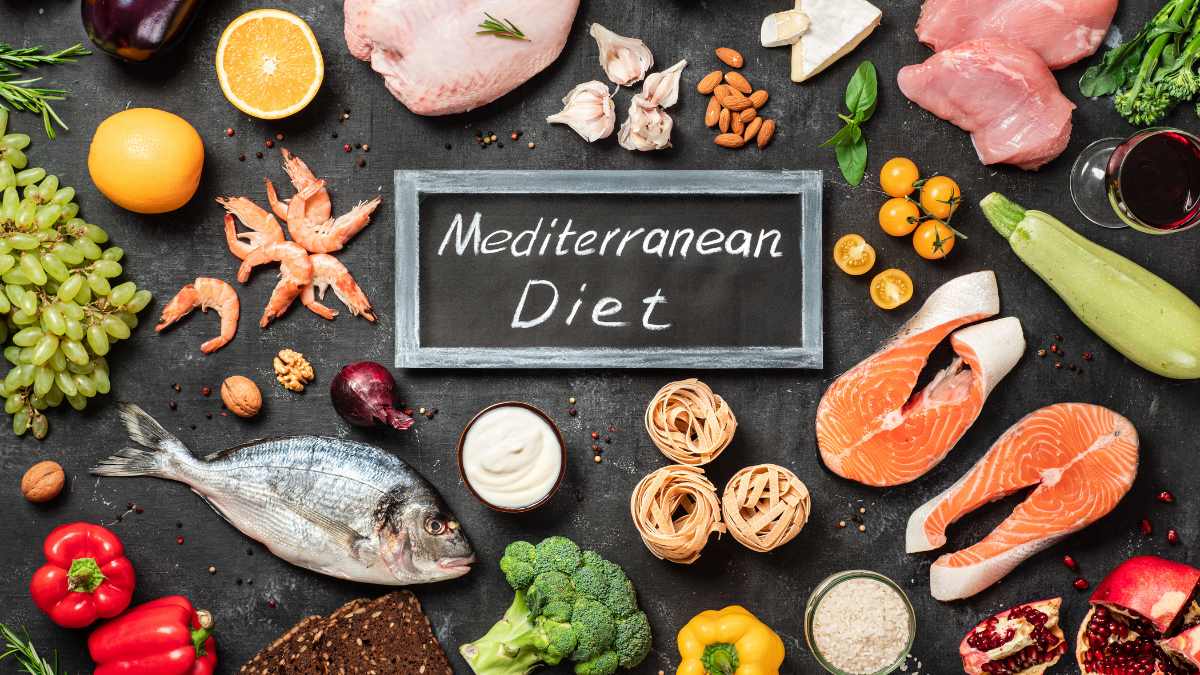

Introduction: The Mediterranean diet is renowned for its health benefits and delicious flavors, with spaghetti playing a central role. This article delves into the nutritional composition, health benefits, and comparative analysis of spaghetti within the Mediterranean dietary framework. By understanding these aspects, we can appreciate spaghetti’s place in a balanced and healthy diet.
Introduction to Spaghetti in the Mediterranean Diet
Spaghetti, a staple of Italian cuisine, is a quintessential component of the Mediterranean diet. This diet, rich in fruits, vegetables, whole grains, and lean proteins, emphasizes balance and variety. Spaghetti, often paired with nutrient-dense ingredients, exemplifies this dietary philosophy.
The Mediterranean diet is not just a set of eating guidelines but a cultural heritage that promotes longevity and well-being. Spaghetti, with its versatility, fits seamlessly into this dietary pattern, offering endless possibilities for healthy and delicious meals.
Historically, spaghetti has been a part of Mediterranean cuisine for centuries. Its origins can be traced back to ancient civilizations that flourished around the Mediterranean Sea. Over time, spaghetti has evolved, incorporating diverse ingredients and cooking methods that reflect the region’s rich culinary traditions.
In the Mediterranean diet, spaghetti is often enjoyed in moderation, balanced with other food groups. This approach ensures that meals are not only satisfying but also nutritionally complete. The emphasis is on quality ingredients, such as whole-grain spaghetti, fresh vegetables, and high-quality olive oil.
Spaghetti dishes in the Mediterranean diet are typically simple yet flavorful. The focus is on enhancing the natural taste of ingredients rather than masking them with heavy sauces. This simplicity aligns with the Mediterranean diet’s principles of using fresh, seasonal, and minimally processed foods.
In summary, spaghetti is an integral part of the Mediterranean diet, embodying its core values of balance, variety, and quality. By understanding its role within this dietary pattern, we can better appreciate its nutritional and health benefits.
Nutritional Composition of Spaghetti
Spaghetti is primarily composed of carbohydrates, with a moderate amount of protein and minimal fat. Its nutritional profile can vary depending on the type of flour used. Whole-grain spaghetti, for instance, offers more fiber and nutrients compared to its refined counterpart.
A standard serving of cooked spaghetti (about 140 grams) provides approximately 220 calories, 43 grams of carbohydrates, 8 grams of protein, and 1.3 grams of fat. It also contains essential vitamins and minerals, such as B vitamins, iron, and magnesium.
One of the key nutritional benefits of whole-grain spaghetti is its high fiber content. Dietary fiber is crucial for maintaining digestive health, regulating blood sugar levels, and promoting satiety. A serving of whole-grain spaghetti can provide up to 6 grams of fiber, compared to just 2 grams in refined spaghetti.
Spaghetti is also a good source of plant-based protein. While it does not contain all essential amino acids, it can be paired with other protein-rich foods, such as legumes or lean meats, to create a complete protein profile. This makes it a valuable component of a balanced diet.
In addition to macronutrients, spaghetti contains several micronutrients that contribute to overall health. B vitamins, found in abundance in whole-grain spaghetti, play a vital role in energy metabolism and brain function. Iron is essential for oxygen transport in the blood, while magnesium supports muscle and nerve function.
Choosing whole-grain spaghetti over refined versions can significantly enhance its nutritional value. Whole grains retain the bran and germ, which are rich in fiber, vitamins, and minerals. This makes whole-grain spaghetti a more nutrient-dense option that aligns with the principles of the Mediterranean diet.
Health Benefits of Spaghetti Consumption
Consuming spaghetti, particularly whole-grain varieties, offers numerous health benefits. Its high fiber content aids in digestive health by promoting regular bowel movements and preventing constipation. Fiber also supports a healthy gut microbiome, which is linked to improved immune function and reduced inflammation.
The complex carbohydrates in spaghetti provide a steady source of energy, making it an excellent choice for sustained physical and mental performance. Unlike simple carbohydrates, which can cause rapid spikes and crashes in blood sugar levels, the complex carbs in spaghetti are digested more slowly, providing lasting energy.
Spaghetti’s low glycemic index (GI) is another health benefit. Foods with a low GI are digested and absorbed more slowly, leading to gradual increases in blood sugar and insulin levels. This can help manage blood sugar levels, making spaghetti a suitable option for individuals with diabetes or insulin resistance.
The inclusion of whole-grain spaghetti in the diet has been associated with a reduced risk of chronic diseases. Studies have shown that whole grains can lower the risk of heart disease, stroke, and certain cancers. The antioxidants, vitamins, and minerals in whole grains contribute to these protective effects.
Spaghetti can also support weight management. The fiber in whole-grain spaghetti promotes feelings of fullness, reducing overall calorie intake. Additionally, the slow digestion of complex carbohydrates helps maintain stable energy levels, preventing overeating and cravings.
Incorporating spaghetti into a balanced diet can enhance overall nutritional intake. When paired with vegetables, lean proteins, and healthy fats, spaghetti dishes can provide a wide range of nutrients essential for good health. This aligns with the Mediterranean diet’s emphasis on variety and balance.
Spaghetti’s Role in Mediterranean Dietary Patterns
In the Mediterranean dietary patterns, spaghetti is often featured in dishes that highlight fresh, seasonal ingredients. These dishes are typically simple, allowing the natural flavors of the ingredients to shine. Common pairings include tomatoes, garlic, olive oil, and fresh herbs, creating meals that are both nutritious and flavorful.
Spaghetti is frequently used in traditional Mediterranean recipes such as spaghetti aglio e olio, spaghetti alla puttanesca, and spaghetti with seafood. These dishes not only taste delicious but also adhere to the principles of the Mediterranean diet by incorporating a variety of food groups.
The Mediterranean diet emphasizes the use of healthy fats, particularly olive oil, which is often used in spaghetti dishes. Olive oil is rich in monounsaturated fats and antioxidants, which have been shown to reduce inflammation and lower the risk of heart disease. This makes it an ideal complement to spaghetti.
Vegetables play a crucial role in Mediterranean spaghetti dishes. Tomatoes, spinach, bell peppers, and zucchini are commonly used, adding color, flavor, and a wealth of nutrients. These vegetables provide vitamins, minerals, and antioxidants that support overall health and well-being.
Spaghetti is also paired with lean proteins such as fish, chicken, and legumes in Mediterranean cuisine. These proteins provide essential amino acids and contribute to a balanced meal. The combination of spaghetti with protein-rich foods helps create a satisfying and nutritionally complete dish.
The Mediterranean dietary pattern encourages mindful eating and enjoying meals with family and friends. Spaghetti dishes, often served as part of a communal meal, foster social connections and enhance the dining experience. This holistic approach to eating is a key aspect of the Mediterranean diet’s success in promoting health and longevity.
Comparative Analysis: Spaghetti vs Other Carbs
When comparing spaghetti to other carbohydrate sources, several factors come into play, including nutritional content, glycemic index, and versatility. Understanding these differences can help individuals make informed choices about their carbohydrate intake.
Spaghetti, particularly whole-grain varieties, offers a higher fiber content compared to refined carbohydrates such as white rice and white bread. This higher fiber content promotes digestive health and provides a more sustained source of energy. Whole-grain spaghetti also contains more vitamins and minerals than its refined counterparts.
In terms of glycemic index, spaghetti has a lower GI compared to many other carbohydrate sources. For example, white bread and white rice have higher GIs, leading to quicker spikes in blood sugar levels. The lower GI of spaghetti makes it a better option for maintaining stable blood sugar levels and managing diabetes.
The versatility of spaghetti is another advantage. It can be used in a wide range of dishes, from simple aglio e olio to elaborate seafood pasta. This versatility allows for the incorporation of various ingredients, enhancing the nutritional value and flavor of meals. Other carbohydrate sources, such as potatoes or rice, may not offer the same level of culinary flexibility.
When comparing spaghetti to other whole grains like quinoa or brown rice, it’s important to consider the nutritional differences. Quinoa, for instance, is a complete protein, providing all essential amino acids. Brown rice offers a similar fiber content to whole-grain spaghetti but lacks the same level of versatility in cooking.
Spaghetti’s role in the Mediterranean diet also sets it apart from other carbohydrate sources. The Mediterranean diet’s emphasis on balance, variety, and quality ingredients aligns well with the nutritional profile of whole-grain spaghetti. This makes it a valuable component of a healthy and balanced diet.
In conclusion, while there are many carbohydrate options available, spaghetti, particularly whole-grain varieties, offers a unique combination of nutritional benefits, low glycemic index, and culinary versatility. These factors make it a superior choice for those looking to maintain a healthy and balanced diet.
Conclusion: Spaghetti’s Place in a Healthy Diet
Spaghetti, especially when consumed as part of the Mediterranean diet, offers numerous health benefits. Its nutritional composition, including high fiber content and essential vitamins and minerals, supports overall health and well-being. The low glycemic index of whole-grain spaghetti makes it a suitable option for managing blood sugar levels and promoting sustained energy.
The health benefits of spaghetti extend beyond its nutritional profile. Its role in the Mediterranean dietary patterns, characterized by the use of fresh, seasonal ingredients and healthy fats, enhances its nutritional value. Spaghetti dishes often incorporate a variety of food groups, creating balanced and satisfying meals.
Comparatively, spaghetti stands out among other carbohydrate sources due to its higher fiber content, lower glycemic index, and versatility in cooking. These attributes make it a superior choice for those looking to maintain a healthy and balanced diet. Whole-grain spaghetti, in particular, aligns well with the principles of the Mediterranean diet.
Incorporating spaghetti into a balanced diet can contribute to overall health and well-being. By pairing it with vegetables, lean proteins, and healthy fats, individuals can create nutritious and delicious meals that support their health goals. The Mediterranean diet’s emphasis on balance, variety, and quality ingredients further enhances the benefits of spaghetti consumption.
In summary, spaghetti has a well-deserved place in a healthy diet. Its nutritional benefits, role in the Mediterranean dietary patterns, and comparative advantages over other carbohydrate sources make it an excellent choice for those seeking to improve their diet and health. By understanding and appreciating these aspects, we can make informed choices about our dietary habits.
Read More…
-
Harvard T.H. Chan School of Public Health – The Nutrition Source: The Mediterranean Diet: This resource provides an in-depth overview of the Mediterranean diet, including its health benefits and key components.
-
Mayo Clinic – Mediterranean diet: A heart-healthy eating plan: This article explores the principles of the Mediterranean diet and its impact on heart health.
-
Oldways – Mediterranean Diet Pyramid: Oldways offers a visual representation of the Mediterranean diet pyramid, highlighting the importance of various food groups, including whole grains like spaghetti.
-
American Heart Association – Whole Grains and Fiber: This resource explains the benefits of whole grains and fiber, emphasizing their role in a healthy diet.
-
National Institutes of Health (NIH) – Dietary Fiber: Essential for a Healthy Diet: The NIH provides insights into the importance of dietary fiber and its health benefits, relevant to the consumption of whole-grain spaghetti.