
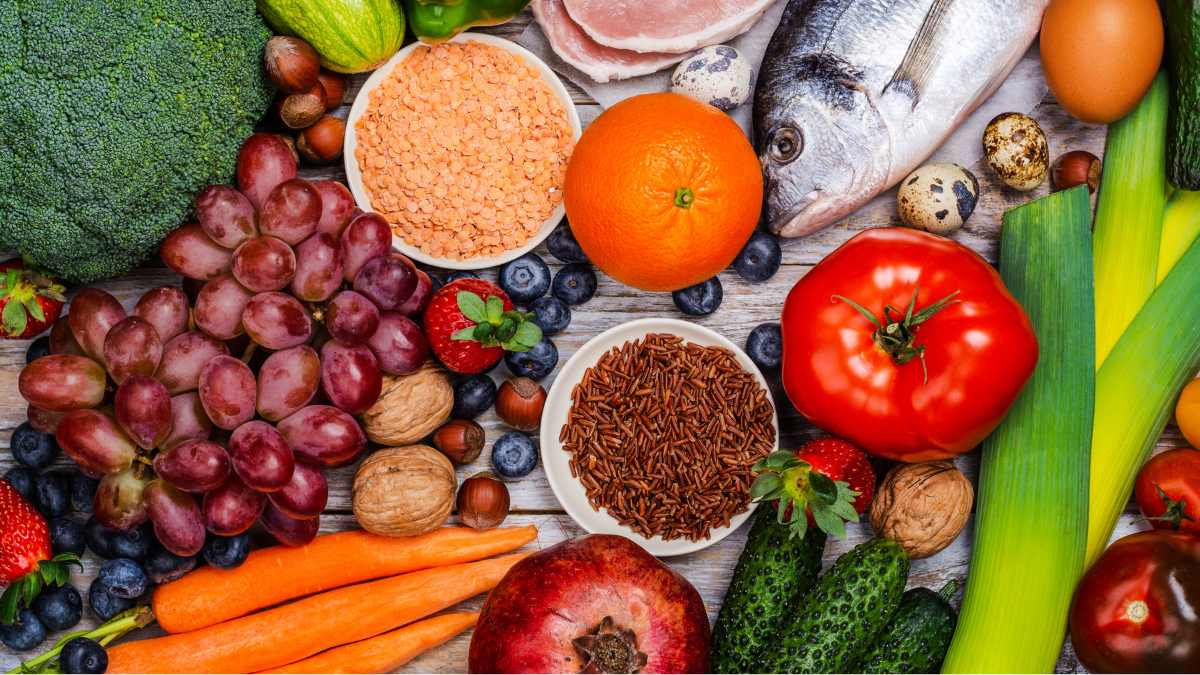

Introduction:
The Mediterranean diet is renowned for its health benefits and delicious flavors. It emphasizes whole foods, healthy fats, and a balanced intake of macronutrients. Breakfast, often dubbed the most important meal of the day, is no exception to these principles. In this article, we will explore the typical components of a Mediterranean breakfast, its nutritional benefits, and how to incorporate these elements into your morning routine.
Overview of Mediterranean Diet Breakfast Principles
The Mediterranean diet is based on the traditional eating habits of countries bordering the Mediterranean Sea, such as Greece, Italy, and Spain. A typical Mediterranean breakfast is light yet nutritious, focusing on fresh, whole foods. It avoids processed foods and sugars, which are common in many Western diets.
One of the core principles of a Mediterranean breakfast is the inclusion of a variety of food groups. This ensures a balanced intake of essential nutrients. Fruits, vegetables, whole grains, and healthy fats are staples. Dairy products, particularly yogurt and cheese, are also commonly consumed.
Another key principle is the emphasis on fresh, seasonal produce. This not only enhances the flavor but also ensures that the food is nutrient-dense. Seasonal eating is a cornerstone of the Mediterranean diet, promoting sustainability and environmental consciousness.
Portion control is also integral to the Mediterranean breakfast. Unlike the often oversized portions found in other diets, Mediterranean meals are moderate, focusing on quality over quantity. This helps in maintaining a healthy weight and preventing overeating.
Hydration is another important aspect. Water is the primary beverage, but herbal teas and freshly squeezed juices are also popular. These beverages provide essential vitamins and antioxidants without added sugars or artificial ingredients.
Lastly, the Mediterranean diet encourages mindful eating. Breakfast is not just a quick meal to start the day; it is a time to enjoy food, often with family or friends. This social aspect can improve mental well-being and foster a positive relationship with food.
Nutritional Benefits of a Mediterranean Breakfast
A Mediterranean breakfast offers numerous nutritional benefits. Firstly, it is rich in antioxidants, which help combat oxidative stress and reduce the risk of chronic diseases. Fruits and vegetables, common in Mediterranean breakfasts, are excellent sources of these vital compounds.
Healthy fats, primarily from olive oil, nuts, and seeds, are another significant benefit. These fats are essential for heart health, reducing bad cholesterol levels, and providing long-lasting energy. Unlike saturated fats, which are detrimental to health, the fats in a Mediterranean breakfast are beneficial.
Whole grains, such as oats, barley, and whole wheat bread, are a staple of Mediterranean breakfasts. These grains are high in fiber, which aids digestion, stabilizes blood sugar levels, and keeps you feeling full longer. Fiber also plays a crucial role in maintaining a healthy gut microbiome.
Protein is another important component. Greek yogurt, eggs, and cheese provide high-quality protein, essential for muscle repair and growth. Protein also helps in maintaining a healthy metabolism and can aid in weight management by promoting satiety.
The inclusion of a variety of food groups ensures a balanced intake of vitamins and minerals. For instance, fruits and vegetables provide vitamins A, C, and K, as well as potassium and magnesium. Dairy products offer calcium and vitamin D, crucial for bone health.
Lastly, the Mediterranean breakfast’s emphasis on fresh, whole foods means it is low in added sugars and unhealthy fats. This reduces the risk of obesity, type 2 diabetes, and cardiovascular diseases. Overall, the nutritional profile of a Mediterranean breakfast supports long-term health and well-being.
Key Ingredients in Mediterranean Morning Meals
Several key ingredients define a Mediterranean breakfast. Olive oil is perhaps the most iconic, used in various dishes for its flavor and health benefits. It is rich in monounsaturated fats and antioxidants, making it a heart-healthy choice.
Fruits and vegetables are indispensable. Common choices include tomatoes, cucumbers, olives, and a variety of fruits like oranges, figs, and grapes. These provide essential vitamins, minerals, and fiber, contributing to overall health.
Whole grains are another cornerstone. Foods like whole wheat bread, barley, and oats are common. These grains are high in fiber and provide sustained energy, making them ideal for breakfast.
Dairy products, particularly yogurt and cheese, are also prevalent. Greek yogurt is a favorite, known for its high protein content and probiotics, which support gut health. Cheese, such as feta or halloumi, adds flavor and essential nutrients like calcium.
Nuts and seeds, such as almonds, walnuts, and chia seeds, are often included. They provide healthy fats, protein, and fiber. These ingredients can be added to yogurt, salads, or eaten on their own as a snack.
Lastly, eggs are a versatile and nutritious component of a Mediterranean breakfast. They can be prepared in various ways, such as boiled, scrambled, or made into an omelet with vegetables. Eggs provide high-quality protein and essential nutrients like choline and vitamin D.
Traditional Mediterranean Breakfast Recipes
Several traditional recipes exemplify a typical Mediterranean breakfast. One popular dish is "Shakshuka," a savory stew of tomatoes, peppers, onions, and spices, topped with poached eggs. It is often served with whole wheat bread for dipping.
Another classic is "Greek Yogurt with Honey and Nuts." This simple yet delicious dish combines creamy Greek yogurt with a drizzle of honey and a sprinkle of nuts, providing a perfect balance of protein, healthy fats, and natural sweetness.
"Pan con Tomate," a Spanish favorite, involves rubbing ripe tomatoes and garlic on toasted whole wheat bread, drizzled with olive oil and a pinch of salt. This dish is both flavorful and nutritious, embodying the simplicity of Mediterranean cuisine.
For a sweet option, "Figs and Ricotta on Whole Wheat Toast" is a delightful choice. Fresh figs are sliced and placed on a bed of creamy ricotta cheese spread on whole wheat toast. A drizzle of honey adds a touch of sweetness, making it a perfect morning treat.
"Oatmeal with Fresh Fruits and Nuts" is another versatile and healthy option. Whole oats are cooked and topped with a variety of fresh fruits like berries, apples, or bananas, and a handful of nuts or seeds for added texture and nutrition.
Lastly, "Herbed Omelet with Vegetables" is a nutritious and satisfying breakfast. Eggs are whisked and cooked with a variety of fresh herbs and vegetables like spinach, tomatoes, and bell peppers. This dish provides a good balance of protein, vitamins, and minerals.
Incorporating Whole Grains and Healthy Fats
Incorporating whole grains and healthy fats into a Mediterranean breakfast is essential for maximizing its health benefits. Whole grains, such as oats, barley, and whole wheat, are rich in fiber, which aids digestion and provides sustained energy throughout the day.
One way to include whole grains is through breakfast cereals like oatmeal or barley porridge. These can be topped with fresh fruits, nuts, and a drizzle of honey for added flavor and nutrition. Whole grain bread is another excellent option, perfect for toasts or sandwiches.
Healthy fats are primarily sourced from olive oil, nuts, and seeds. Olive oil can be used in various dishes, from drizzling over toast to cooking eggs or vegetables. Its rich flavor and health benefits make it a staple in Mediterranean cuisine.
Nuts and seeds, such as almonds, walnuts, and chia seeds, can be added to yogurt, oatmeal, or eaten on their own as a snack. They provide essential fatty acids, protein, and fiber, contributing to overall health and satiety.
Avocado is another excellent source of healthy fats. It can be sliced and added to toast, salads, or smoothies. Avocado is rich in monounsaturated fats, vitamins, and minerals, making it a nutritious addition to any meal.
Incorporating these elements into your breakfast ensures a balanced intake of macronutrients. Whole grains provide complex carbohydrates for energy, while healthy fats support heart health and keep you feeling full longer. Together, they create a satisfying and nutritious start to the day.
Balancing Macronutrients for Optimal Health
Balancing macronutrients—carbohydrates, proteins, and fats—is crucial for optimal health, and the Mediterranean breakfast excels in this regard. Each macronutrient plays a unique role in the body, and a balanced intake ensures that all nutritional needs are met.
Carbohydrates are the body’s primary energy source. Whole grains, fruits, and vegetables are excellent sources of complex carbohydrates, providing sustained energy without causing blood sugar spikes. Including these in your breakfast helps maintain energy levels throughout the morning.
Protein is essential for muscle repair, growth, and overall metabolic function. High-quality protein sources like Greek yogurt, eggs, and cheese are common in Mediterranean breakfasts. These foods not only provide protein but also essential vitamins and minerals.
Healthy fats are vital for heart health, brain function, and satiety. Olive oil, nuts, seeds, and avocados are rich in monounsaturated and polyunsaturated fats. These fats help reduce bad cholesterol levels and provide long-lasting energy.
Fiber, while not a macronutrient, is also crucial for health. It aids digestion, supports a healthy gut microbiome, and helps regulate blood sugar levels. Whole grains, fruits, vegetables, nuts, and seeds are all excellent sources of fiber.
A balanced Mediterranean breakfast might include whole grain toast with avocado and a poached egg, a side of fresh fruit, and a serving of Greek yogurt with nuts and honey. This combination provides a good mix of carbohydrates, proteins, and fats, ensuring a nutritious and satisfying meal.
By focusing on whole, unprocessed foods and balancing macronutrients, the Mediterranean breakfast supports overall health, helping to maintain energy levels, support metabolic function, and reduce the risk of chronic diseases.
Conclusion:
A typical Mediterranean breakfast is a harmonious blend of whole grains, fresh produce, healthy fats, and high-quality proteins. It not only offers a delicious start to the day but also provides numerous health benefits, from improved heart health to better digestion. By incorporating these principles into your morning routine, you can enjoy a nutritious and satisfying meal that supports long-term well-being.
Read More…
-
Harvard T.H. Chan School of Public Health – The Nutrition Source: Mediterranean Diet
- This resource provides an in-depth overview of the Mediterranean diet, its principles, and health benefits.
-
Mayo Clinic – Mediterranean Diet: A Heart-Healthy Eating Plan
- The Mayo Clinic offers a comprehensive guide to the Mediterranean diet, including tips for incorporating it into your daily routine.
-
Oldways – Mediterranean Diet Pyramid
- Oldways presents the Mediterranean Diet Pyramid, highlighting the importance of various food groups and their health benefits.
-
American Heart Association – What is the Mediterranean Diet?
- This article from the American Heart Association explains the Mediterranean diet’s impact on heart health and offers practical advice for following it.
-
Healthline – 13 Foods to Eat on a Mediterranean Diet
- Healthline provides a list of essential foods in the Mediterranean diet, along with their nutritional benefits and tips for incorporating them into your meals.