
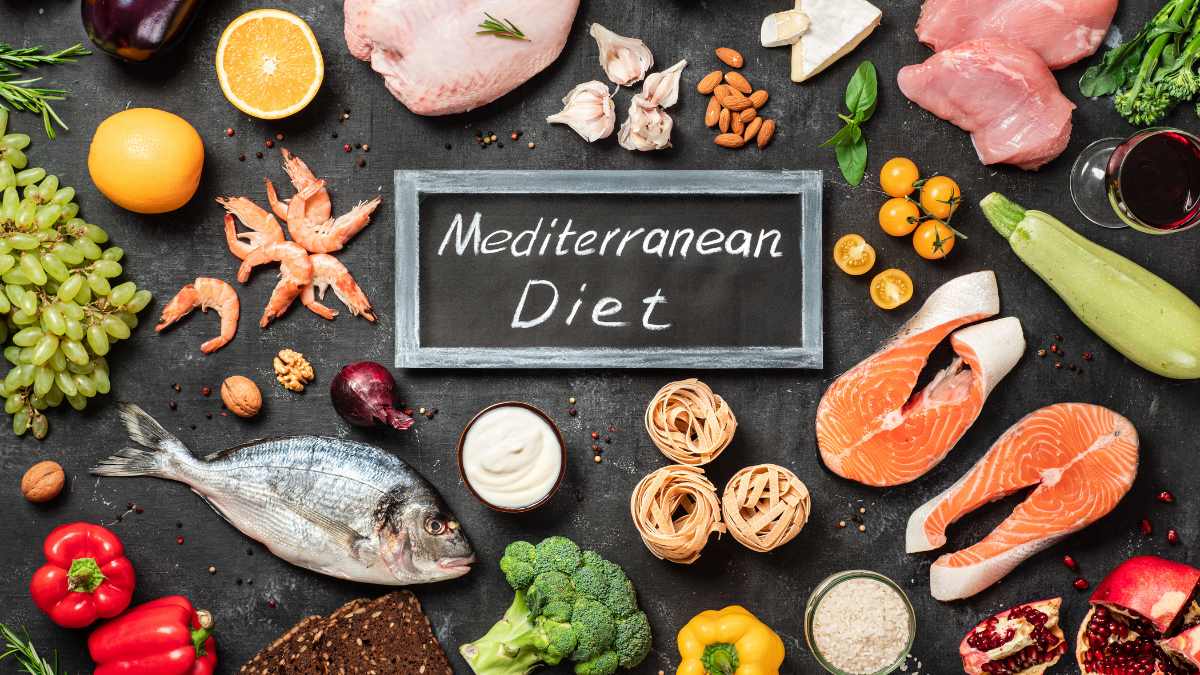

Introduction: The Mediterranean diet has gained immense popularity over the years, not just for its flavorful dishes but also for its numerous health benefits. Rooted in the traditional eating habits of countries bordering the Mediterranean Sea, this diet emphasizes whole foods, healthy fats, and a balanced approach to nutrition. In this article, we will delve into the various aspects of the Mediterranean diet, exploring its key components, nutritional benefits, common misconceptions, and ways to incorporate it into daily life. We will also review the scientific evidence supporting this dietary pattern.
Introduction to the Mediterranean Diet Foods
The Mediterranean diet is more than just a diet; it is a way of life that emphasizes balance, variety, and moderation. Originating from countries like Greece, Italy, and Spain, this diet is characterized by its reliance on fresh, seasonal produce, whole grains, and healthy fats. One of the standout features of the Mediterranean diet is its emphasis on plant-based foods, which form the foundation of most meals.
A typical Mediterranean meal includes a generous serving of vegetables, fruits, legumes, and whole grains. Olive oil is the primary source of fat, replacing less healthy fats such as butter and margarine. Fish and seafood are consumed regularly, while red meat is limited to occasional servings. Dairy products, particularly cheese and yogurt, are also part of the diet but are consumed in moderation.
Herbs and spices play a crucial role in Mediterranean cuisine, adding flavor and reducing the need for salt. Commonly used herbs include basil, oregano, rosemary, and thyme. Meals are often accompanied by a glass of red wine, which is consumed in moderation and is believed to offer certain health benefits.
The Mediterranean diet is not just about what you eat but also how you eat. Meals are often enjoyed slowly, with family and friends, creating a social and relaxed eating environment. This approach to eating promotes mindful consumption and enhances the overall dining experience.
In summary, the Mediterranean diet is a holistic approach to nutrition that emphasizes whole, minimally processed foods, healthy fats, and a balanced intake of macronutrients. Its focus on plant-based foods and healthy fats sets it apart from many other dietary patterns.
Key Components of the Mediterranean Diet
The Mediterranean diet is built on several key components that contribute to its health benefits. These components include a high intake of vegetables, fruits, legumes, and whole grains. These plant-based foods provide essential vitamins, minerals, and fiber, which are crucial for maintaining good health.
Olive oil is a cornerstone of the Mediterranean diet and is used as the primary source of fat. Rich in monounsaturated fats and antioxidants, olive oil has been linked to numerous health benefits, including reduced inflammation and improved heart health. It is often used in cooking, salad dressings, and as a dip for bread.
Fish and seafood are important sources of protein in the Mediterranean diet. They are rich in omega-3 fatty acids, which have been shown to support heart health and reduce the risk of chronic diseases. Commonly consumed fish include salmon, sardines, and mackerel.
Nuts and seeds are also integral to the Mediterranean diet. They provide healthy fats, protein, and fiber, making them a nutritious snack option. Almonds, walnuts, and chia seeds are popular choices.
Herbs and spices are used liberally in Mediterranean cooking, adding flavor without the need for excessive salt. This not only enhances the taste of the food but also provides additional health benefits. For example, garlic and turmeric have anti-inflammatory properties.
Lastly, the Mediterranean diet includes moderate consumption of dairy products, particularly cheese and yogurt. These provide calcium and probiotics, which support bone health and digestive health, respectively. However, they are consumed in moderation to avoid excessive intake of saturated fats.
Nutritional Benefits of Mediterranean Foods
The nutritional benefits of the Mediterranean diet are well-documented and contribute to its reputation as one of the healthiest dietary patterns. One of the primary benefits is its positive impact on heart health. The diet’s high content of monounsaturated fats from olive oil, along with omega-3 fatty acids from fish, helps to reduce bad cholesterol levels and lower the risk of heart disease.
Another significant benefit is the diet’s ability to support weight management. The emphasis on whole, minimally processed foods, along with high fiber intake from fruits, vegetables, and whole grains, promotes satiety and helps prevent overeating. This makes it easier to maintain a healthy weight without the need for restrictive dieting.
The Mediterranean diet is also associated with a reduced risk of type 2 diabetes. The diet’s focus on low-glycemic index foods, such as whole grains and legumes, helps to stabilize blood sugar levels. Additionally, the healthy fats and fiber content improve insulin sensitivity, further reducing the risk of diabetes.
Inflammation is a common underlying factor in many chronic diseases, and the Mediterranean diet’s anti-inflammatory properties are beneficial in this regard. The diet’s high intake of antioxidants from fruits, vegetables, and olive oil helps to combat oxidative stress and reduce inflammation in the body.
Mental health is another area where the Mediterranean diet shows promise. Studies have found that adherence to this diet is associated with a lower risk of depression and cognitive decline. The diet’s nutrient-rich profile, including omega-3 fatty acids, B vitamins, and antioxidants, supports brain health and function.
Lastly, the Mediterranean diet promotes longevity. Research has shown that populations following this dietary pattern tend to have longer life expectancies and lower rates of chronic diseases. The combination of nutrient-dense foods, healthy fats, and a balanced approach to eating contributes to overall well-being and longevity.
Common Misconceptions about Mediterranean Diet
Despite its popularity, several misconceptions about the Mediterranean diet persist. One common misconception is that it is a low-fat diet. In reality, the Mediterranean diet includes a significant amount of fat, primarily from healthy sources like olive oil, nuts, and fish. These fats are essential for heart health and overall well-being.
Another misconception is that the Mediterranean diet is expensive and difficult to follow. While some ingredients, like fresh fish and olive oil, can be costly, the diet also includes many affordable staples such as legumes, whole grains, and seasonal vegetables. Planning meals and buying in bulk can help make the diet more affordable.
Some people believe that the Mediterranean diet is only suitable for those living in Mediterranean countries. However, the principles of the diet can be adapted to various cuisines and available ingredients. The focus on whole, minimally processed foods and healthy fats can be applied globally, making it accessible to anyone.
There is also a misconception that the Mediterranean diet requires extensive cooking and preparation. While traditional Mediterranean dishes can be time-consuming, there are many simple and quick recipes that fit within the diet’s guidelines. Meal planning and batch cooking can also help save time.
Another myth is that the Mediterranean diet is primarily vegetarian. While it does emphasize plant-based foods, it also includes moderate amounts of fish, poultry, and dairy. The key is balance and variety, rather than strict exclusion of certain food groups.
Lastly, some people think that the Mediterranean diet is a weight-loss diet. While it can support weight management, its primary focus is on overall health and well-being. The diet promotes a balanced intake of nutrients and encourages a sustainable, long-term approach to eating, rather than quick fixes or restrictive dieting.
How to Incorporate Mediterranean Foods Daily
Incorporating Mediterranean foods into your daily diet can be simple and enjoyable. Start by making small changes, such as replacing butter with olive oil in your cooking. Olive oil can be used for sautéing, drizzling over salads, or as a dip for whole-grain bread.
Increase your intake of vegetables by adding them to every meal. Aim for a variety of colors and types to ensure you get a wide range of nutrients. For example, add spinach to your morning omelet, include a side salad with lunch, and roast a mix of vegetables for dinner.
Include more legumes in your diet by incorporating beans, lentils, and chickpeas into soups, stews, and salads. These plant-based proteins are not only nutritious but also budget-friendly and versatile.
Fish and seafood should be consumed at least twice a week. Try grilling salmon, baking cod, or making a seafood pasta. If fresh fish is not available, canned options like sardines and tuna can be convenient alternatives.
Snack on nuts and seeds instead of processed snacks. A handful of almonds, walnuts, or sunflower seeds can provide a satisfying and nutritious snack. Pair them with a piece of fruit for added fiber and vitamins.
Lastly, enjoy meals with family and friends whenever possible. The social aspect of eating is an important part of the Mediterranean diet. Sharing meals can enhance the dining experience and promote mindful eating habits.
Scientific Evidence Supporting Mediterranean Diet
The Mediterranean diet is backed by a substantial body of scientific evidence supporting its health benefits. Numerous studies have shown that adherence to this diet is associated with a reduced risk of chronic diseases, including heart disease, diabetes, and certain cancers.
One of the most well-known studies is the PREDIMED (Prevención con Dieta Mediterránea) trial, which investigated the effects of the Mediterranean diet on cardiovascular health. The study found that participants following the diet had a significantly lower risk of major cardiovascular events compared to those on a low-fat diet.
Research has also demonstrated the Mediterranean diet’s positive impact on metabolic health. A study published in the New England Journal of Medicine found that the diet improved insulin sensitivity and reduced the incidence of type 2 diabetes among high-risk individuals.
The diet’s anti-inflammatory properties have been highlighted in various studies. For instance, a review published in the journal Nutrients found that the Mediterranean diet reduced markers of inflammation and oxidative stress, which are linked to chronic diseases.
Mental health benefits have also been observed. A study in the journal BMC Medicine reported that adherence to the Mediterranean diet was associated with a lower risk of depression. The diet’s nutrient-rich profile, including omega-3 fatty acids and antioxidants, supports brain health and may protect against cognitive decline.
Longevity is another area where the Mediterranean diet excels. Research published in the British Medical Journal found that higher adherence to the diet was associated with a longer life expectancy. The combination of nutrient-dense foods and healthy lifestyle habits contributes to overall well-being and longevity.
In summary, the scientific evidence supporting the Mediterranean diet is robust and highlights its numerous health benefits. The diet’s emphasis on whole, minimally processed foods, healthy fats, and balanced nutrition makes it a valuable dietary pattern for promoting long-term health.
Conclusion: The Mediterranean diet offers a balanced and sustainable approach to nutrition that is supported by extensive scientific evidence. Its emphasis on whole foods, healthy fats, and plant-based ingredients provides numerous health benefits, including improved heart health, weight management, and reduced risk of chronic diseases. By understanding the key components and nutritional benefits of the Mediterranean diet, and dispelling common misconceptions, you can incorporate these foods into your daily routine and enjoy a healthier lifestyle.
Read More…
- PREDIMED Study: PREDIMED Study – A comprehensive study investigating the effects of the Mediterranean diet on cardiovascular health.
- New England Journal of Medicine: Mediterranean Diet and Metabolic Health – Research highlighting the diet’s impact on insulin sensitivity and diabetes risk.
- Nutrients Journal: Mediterranean Diet and Inflammation – A review of studies on the diet’s anti-inflammatory properties.
- BMC Medicine: Mediterranean Diet and Mental Health – Study exploring the diet’s association with reduced risk of depression.
- British Medical Journal: Mediterranean Diet and Longevity – Research on the diet’s contribution to longer life expectancy.