

Introduction:
Nickel allergy is a common form of contact dermatitis that affects a significant portion of the population. Characterized by an adverse reaction to nickel, which is often found in jewelry, clothing fasteners, and various household items, this condition can lead to discomfort and distress. Understanding the underlying causes, symptoms, and management strategies is crucial for those affected. This article delves into the complexities of nickel allergy, exploring its causes, diagnostic methods, treatment options, preventive measures, and future research directions.
Understanding Nickel Allergy: Causes and Symptoms Explained
Nickel allergy occurs when the immune system reacts to nickel, a metal commonly used in various products. The primary cause of this allergy is exposure to nickel-containing items, which can lead to sensitization over time. Once sensitized, even minimal exposure can trigger a reaction. Genetic predisposition also plays a role; individuals with a family history of allergies are more likely to develop a nickel allergy. Other factors, such as skin conditions or prolonged exposure to moisture, can exacerbate the sensitivity.
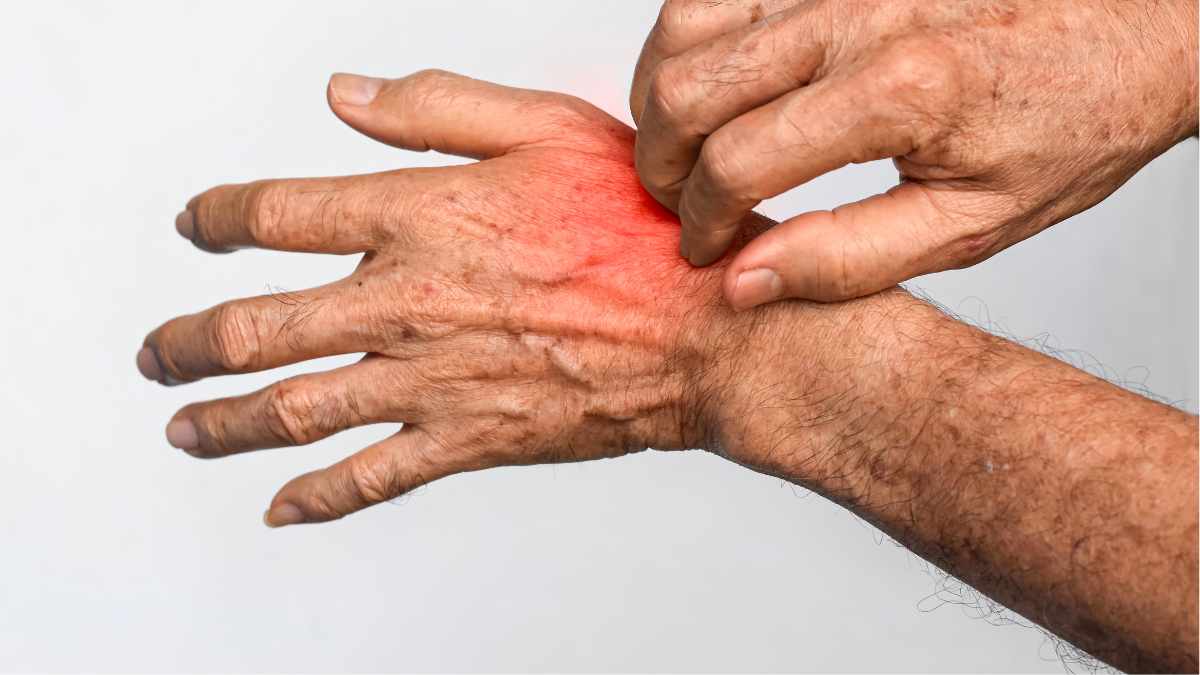
The symptoms of nickel allergy typically manifest as redness, itching, and swelling at the site of contact. These symptoms may appear within hours or days after exposure and can last for several weeks if not treated. In more severe cases, individuals may experience blistering or oozing lesions. Chronic exposure can lead to persistent dermatitis, making it essential for individuals to recognize their triggers and manage their condition effectively.
Understanding the pathophysiology behind nickel allergy is also important. The body identifies nickel as a foreign substance, prompting an immune response that results in inflammation. This hypersensitivity reaction is classified as Type IV hypersensitivity, which is delayed and mediated by T-cells. Recognizing the immune mechanisms involved can aid in developing targeted treatment strategies.
In summary, nickel allergy is a multifaceted condition influenced by genetic, environmental, and immunological factors. Awareness of the symptoms and understanding the underlying causes are the first steps toward effective management and prevention.
Diagnostic Approaches: Identifying Nickel Allergies Effectively
Diagnosing nickel allergy typically involves a thorough medical history and physical examination. Patients are often asked about their symptoms, exposure history, and family history of allergies. A detailed account can provide valuable insights into potential triggers. However, the definitive diagnosis is usually confirmed through patch testing, a procedure where small amounts of nickel are applied to the skin to observe for allergic reactions over a specified period.
Patch testing is considered the gold standard for diagnosing contact allergies. It helps differentiate between nickel allergy and other skin conditions that may present similarly, such as eczema or psoriasis. Positive reactions during patch testing indicate sensitization to nickel, confirming the diagnosis. It is essential for patients to avoid topical steroids or antihistamines before the test, as these can interfere with the results.
In some cases, blood tests may be used to assess the immune response, although they are less common for diagnosing nickel allergy. These tests can help rule out other conditions or allergies that may mimic nickel sensitivity. Collaborating with an allergist or dermatologist can provide a comprehensive approach to diagnosis and management.
Overall, effective diagnostic strategies are crucial for accurately identifying nickel allergies. Early detection can significantly improve the quality of life for affected individuals by allowing for timely intervention and management.
Treatment Options: Managing Nickel Allergy Reactions
Once diagnosed, managing nickel allergy primarily involves avoiding exposure to nickel-containing items. This may require significant lifestyle changes, such as opting for nickel-free jewelry and clothing. Over-the-counter topical corticosteroids can help alleviate symptoms during flare-ups, reducing inflammation and discomfort. In more severe cases, a healthcare provider may prescribe stronger medications to manage persistent symptoms.
In addition to topical treatments, oral antihistamines can be useful in managing itching and discomfort associated with allergic reactions. These medications can help alleviate symptoms, particularly during acute flare-ups. However, they do not address the underlying cause of the allergy and should be used as part of a broader management strategy.
For individuals experiencing chronic dermatitis due to nickel allergy, phototherapy may be an option. This treatment involves exposing the skin to controlled amounts of ultraviolet light, which can help reduce inflammation and promote healing. Consulting with a dermatologist can provide valuable insights into the most appropriate treatment options based on individual circumstances.
In summary, while there is no cure for nickel allergy, effective management strategies can significantly improve the quality of life for affected individuals. By focusing on avoidance, symptom relief, and potential therapeutic interventions, individuals can navigate their daily lives with greater ease.
Preventive Measures: Reducing Nickel Exposure in Daily Life
Preventing nickel allergy reactions primarily involves reducing exposure to nickel-containing products. Individuals should be vigilant about checking labels on jewelry, clothing, and household items. Opting for nickel-free alternatives is crucial; many manufacturers now produce items specifically designed for those with metal sensitivities. Awareness of common sources of nickel, such as certain coins, zippers, and belt buckles, can help individuals make informed choices.
In addition to choosing nickel-free products, individuals can take practical steps to minimize skin contact with nickel. For example, applying a clear nail polish to the back of jewelry can create a barrier between the metal and the skin. Wearing gloves when handling items that may contain nickel, such as certain tools or household products, can also provide protection.
Maintaining good skin hygiene is another important preventive measure. Keeping the skin clean and dry can help reduce the risk of developing dermatitis. Individuals should also avoid prolonged exposure to moisture, as this can exacerbate allergic reactions. Moisture-wicking fabrics can be beneficial for those who experience sweating, as they help keep the skin dry.
Ultimately, prevention is key in managing nickel allergy. By being proactive and informed, individuals can significantly reduce their risk of exposure and the likelihood of experiencing allergic reactions.
Alternative Materials: Choosing Nickel-Free Products Safely
With the growing awareness of nickel allergies, many manufacturers are now producing nickel-free alternatives across various product categories. For jewelry, materials such as surgical-grade stainless steel, titanium, and platinum are excellent choices. These metals are not only durable but also hypoallergenic, making them suitable for individuals with sensitivities. Additionally, many costume jewelry brands are now offering nickel-free options that are both stylish and safe.
In the realm of clothing, fabrics with minimal metal components are becoming increasingly popular. For instance, clothing fasteners made from plastic or coated metals can reduce the risk of allergic reactions. Consumers should look for labels indicating that products are nickel-free or hypoallergenic. This awareness can help individuals make safer choices when shopping.
Household items, such as cookware and utensils, can also pose a risk for those with nickel allergies. Opting for materials like glass, ceramic, or certain types of stainless steel can minimize exposure. Non-metallic kitchen tools are widely available and can provide safe alternatives for cooking and food preparation.
In summary, choosing nickel-free products is essential for individuals with nickel allergies. By being informed about alternative materials and making conscious purchasing decisions, individuals can significantly reduce their risk of exposure and enjoy a more comfortable lifestyle.
Future Perspectives: Research on Nickel Allergy Solutions
As awareness of nickel allergy continues to grow, research is increasingly focusing on developing effective solutions. One area of interest is the exploration of immunotherapy as a potential treatment option. This approach aims to desensitize the immune system to nickel over time, reducing the severity of allergic reactions. While still in the experimental stages, early studies show promise in this area.
Another promising avenue of research involves the development of biocompatible materials that can replace nickel in various applications. Innovations in material science may lead to the creation of new alloys or coatings that minimize allergic reactions while maintaining functionality. Collaborations between researchers, manufacturers, and healthcare professionals will be essential in bringing these advancements to market.
Additionally, ongoing studies are investigating the genetic factors associated with nickel allergy. Understanding the genetic predispositions may lead to better diagnostic tools and personalized treatment strategies. Identifying specific biomarkers could also facilitate early detection and intervention, improving outcomes for those at risk.
In conclusion, the future of nickel allergy research holds promise for improved management and treatment options. Continued investigation into immunotherapy, biocompatible materials, and genetic factors will pave the way for innovative solutions that enhance the quality of life for individuals affected by this condition.
Conclusions:
Nickel allergy is a prevalent condition that can significantly impact daily life. Understanding its causes, symptoms, and management strategies is essential for those affected. While there is currently no cure, effective diagnostic approaches and treatment options can help individuals navigate their allergies. Preventive measures and the choice of alternative materials are crucial in reducing exposure and minimizing reactions. Future research holds promise for innovative solutions, offering hope for improved management of nickel allergy.
Read more
- American Academy of Dermatology – Nickel Allergy – Comprehensive overview of nickel allergy, including symptoms and management strategies.
- National Eczema Association – Nickel Allergy – Detailed information about nickel allergy and its connection to eczema.
- Mayo Clinic – Nickel Allergy – Insight into the causes, symptoms, and treatment options for nickel allergy.
- American Contact Dermatitis Society – Nickel Allergy – Resources and information about nickel allergy and its management.
- PubMed Central – Immunotherapy for Nickel Allergy – Research article discussing the potential of immunotherapy in treating nickel allergies.