

Introduction:
Nickel allergies are increasingly common, affecting a significant portion of the population. This condition can make wearing jewelry, particularly rings, a challenge for individuals who are sensitive to nickel. Understanding how to navigate this issue is essential for those who wish to enjoy the beauty and significance of rings without experiencing discomfort or adverse reactions. This article will provide insights into managing a nickel allergy while still being able to wear rings comfortably.
Understanding Nickel Allergies and Their Symptoms
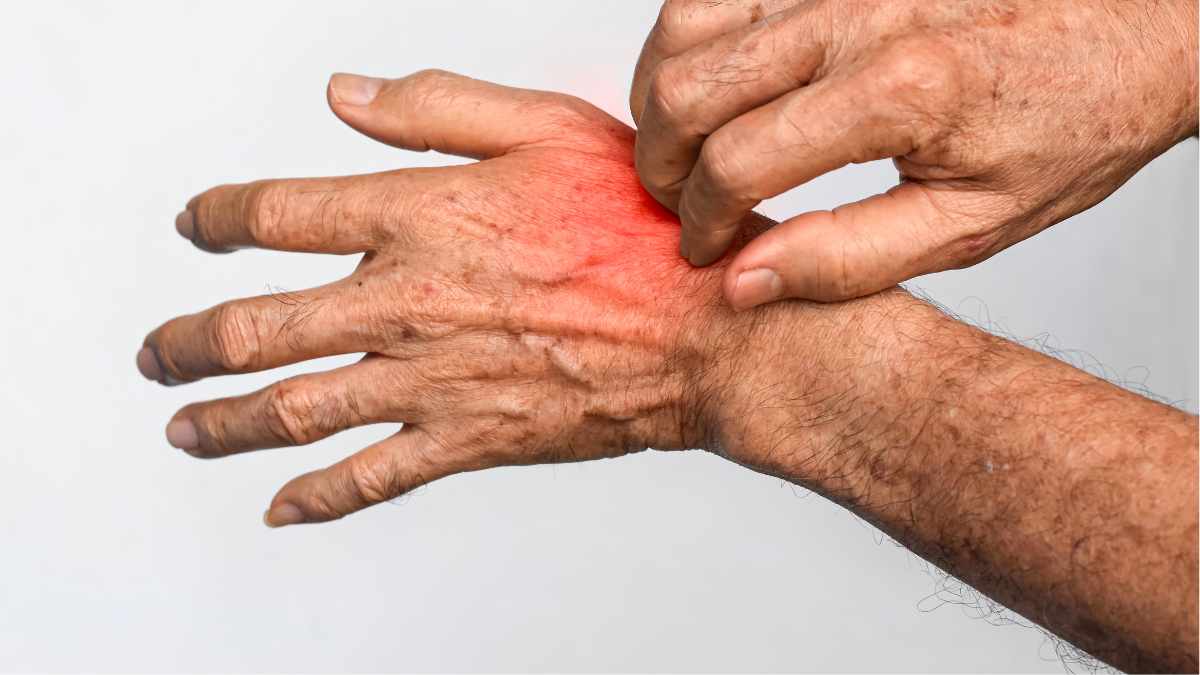
Nickel allergies occur when the body’s immune system reacts to nickel, a metal commonly used in various types of jewelry. The reaction is often triggered by direct skin contact, leading to inflammation and irritation. Symptoms can range from mild to severe and may include redness, itching, swelling, and even blistering in the affected area. These symptoms can significantly impact the quality of life for those who are sensitive, making it crucial to identify and avoid triggers.
The prevalence of nickel allergies has been linked to increased exposure to nickel-containing products in everyday life. Jewelry, especially inexpensive items, often contains nickel, which can lead to reactions in susceptible individuals. Understanding the extent of this allergy is vital for making informed choices about jewelry, particularly rings that may come into prolonged contact with the skin.
In some cases, the symptoms of a nickel allergy can be exacerbated by factors such as heat and humidity, which can increase skin permeability. Individuals may find that wearing rings during hot weather or while exercising can lead to more severe reactions. Recognizing these patterns can help in managing symptoms effectively.
Lastly, it is essential to consult a healthcare professional for a proper diagnosis if you suspect a nickel allergy. Allergy testing can confirm the sensitivity and guide you in making safer choices regarding jewelry and other products that may contain nickel.
Identifying Safe Materials for Ring Selection
When selecting rings, it is crucial to opt for materials that are less likely to cause allergic reactions. Safe materials for individuals with nickel allergies include precious metals such as gold, platinum, and sterling silver. However, it is important to ensure that these metals are free from nickel alloys, as some jewelry may still contain trace amounts.
Gold rings, particularly those that are 14k or higher, typically contain less nickel compared to lower karat gold. Platinum, being a hypoallergenic metal, is an excellent choice for those with sensitivities. It is durable, resistant to tarnishing, and does not contain nickel, making it ideal for everyday wear.
Another safe option is titanium, which is known for its strength and hypoallergenic properties. Titanium rings are not only lightweight but also resistant to corrosion, making them a practical choice for individuals with allergies. Additionally, tungsten carbide is another metal that is hypoallergenic and highly durable, although it is important to ensure it is free from nickel.
Lastly, alternative materials such as silicone and resin are becoming increasingly popular for rings. Silicone rings are especially favored by those with active lifestyles, as they are flexible, comfortable, and entirely free from metals that could cause allergic reactions.
Choosing Hypoallergenic Rings: What to Look For
When shopping for hypoallergenic rings, there are several factors to consider to ensure that you are making a safe choice. First and foremost, always check the material composition of the ring. Look for rings labeled as "nickel-free" or "hypoallergenic," as these are specifically designed to minimize the risk of allergic reactions.
It is also beneficial to choose rings made from surgical-grade stainless steel, which is often free from nickel and other allergens. Surgical steel is commonly used in medical applications and is known for its durability and resistance to tarnish. This makes it an excellent option for those with sensitive skin.
Another important consideration is the finish of the ring. Rings with a smooth finish are less likely to irritate the skin compared to those with rough or textured surfaces. Additionally, rings that are plated with a hypoallergenic metal, such as rhodium, can provide an extra layer of protection against nickel exposure.
Finally, consider the brand and its reputation for producing hypoallergenic jewelry. Researching brands that specialize in hypoallergenic products can lead to better choices and ensure that you are investing in quality pieces that prioritize your health and comfort.
Proper Care and Maintenance of Hypoallergenic Rings
To prolong the life of hypoallergenic rings, proper care and maintenance are essential. Regular cleaning is crucial to remove any dirt, oils, or residues that may accumulate on the surface. Using a gentle soap and warm water solution, along with a soft cloth, can help maintain the ring’s shine without causing damage.
It is also advisable to avoid exposing hypoallergenic rings to harsh chemicals. Household cleaners, perfumes, and lotions can contain substances that may tarnish the metal or cause skin irritation. To protect your rings, consider removing them before applying any products that may come into contact with your skin.
Storing rings properly is another important aspect of maintenance. Using a soft pouch or a dedicated jewelry box can prevent scratches and damage from other jewelry pieces. Keeping rings separate from each other can help maintain their integrity and appearance.
Lastly, if you notice any signs of wear or damage, such as scratches or discoloration, it is wise to seek professional cleaning or repair services. Timely maintenance can prevent more significant issues and ensure that your hypoallergenic rings remain comfortable and beautiful for years to come.
Alternative Solutions for Wearing Rings Comfortably
For individuals who struggle with wearing rings due to nickel allergies, there are alternative solutions available. One option is to use ring guards or silicone ring spacers, which can create a barrier between the ring and the skin. These accessories can help prevent direct contact with the metal, reducing the likelihood of allergic reactions.
Another alternative is to consider temporary or adjustable rings made from non-metal materials. Fabric or leather rings can be stylish and comfortable options that do not pose a risk of allergic reactions. These materials can be customized to fit personal styles while ensuring comfort.
For those who wish to wear traditional metal rings, consider using a protective coating. Clear nail polish can be applied to the inside of the ring to create a barrier between the metal and the skin. However, it is essential to reapply the polish regularly to maintain its effectiveness.
Lastly, individuals can explore the option of custom-made rings using hypoallergenic materials. Working with a jeweler who specializes in hypoallergenic jewelry can provide personalized solutions that cater to specific preferences and needs, ensuring both comfort and style.
Tips for Managing Nickel Exposure in Daily Life
Managing nickel exposure is crucial for individuals with allergies, and there are several strategies to minimize contact. First and foremost, be aware of common sources of nickel in everyday items. This includes not only jewelry but also items such as watches, belts, and even clothing fasteners.
When shopping for clothing, opt for items that are labeled as nickel-free or made from natural fibers. Avoiding metal zippers and buttons can also help reduce exposure. Additionally, consider using plastic or fabric alternatives for accessories that typically contain metal.
In the kitchen, be cautious with cookware and utensils. Stainless steel is often a safe choice, but ensure it is labeled as nickel-free. Avoid using older cookware that may contain nickel, and consider switching to ceramic or glass options for food preparation and storage.
Finally, educating friends and family about your nickel allergy can foster understanding and support. Communicating your needs can help ensure that social situations, such as gatherings or events, are comfortable and accommodating.
Conclusions:
Living with a nickel allergy does not mean sacrificing style or the joy of wearing rings. By understanding the condition, selecting safe materials, and practicing proper care, individuals can enjoy jewelry without discomfort. Exploring alternative solutions and managing nickel exposure in daily life further enhances the ability to wear rings comfortably. With the right knowledge and choices, individuals can navigate their nickel allergies successfully.
Read more
- American Academy of Dermatology – Nickel Allergy – A comprehensive resource on nickel allergies, including symptoms and management strategies.
- Mayo Clinic – Nickel Allergy: Symptoms and Causes – Detailed information on the causes and treatment options for nickel allergies.
- National Eczema Association – Nickel Allergy – Insights on managing nickel allergies, particularly for those with eczema.
- Allergic Living – How to Choose Hypoallergenic Jewelry – Tips on selecting hypoallergenic jewelry and understanding materials.
- Healthline – Nickel Allergy: Symptoms, Causes, and Treatment – An overview of nickel allergies, including symptoms, causes, and management tips.