

Introduction:
Copper is a widely used metal in various applications, from jewelry to plumbing. While many people can wear copper without any issues, some individuals may experience allergic reactions. Understanding how to identify a copper allergy is crucial for those who suspect they may be affected. This article will explore the symptoms associated with copper allergies, diagnostic methods, and management strategies to help individuals navigate this condition effectively.
Understanding Copper Allergies: An Overview of Symptoms
Copper allergies are relatively uncommon but can manifest in various ways. The body’s immune system may react to copper, leading to a range of symptoms that can be uncomfortable and disruptive. Common symptoms include localized skin reactions, such as rashes or hives, which may occur where copper jewelry or items come into contact with the skin. In some cases, individuals may also experience systemic symptoms, such as headaches or gastrointestinal discomfort, although these are less frequent.
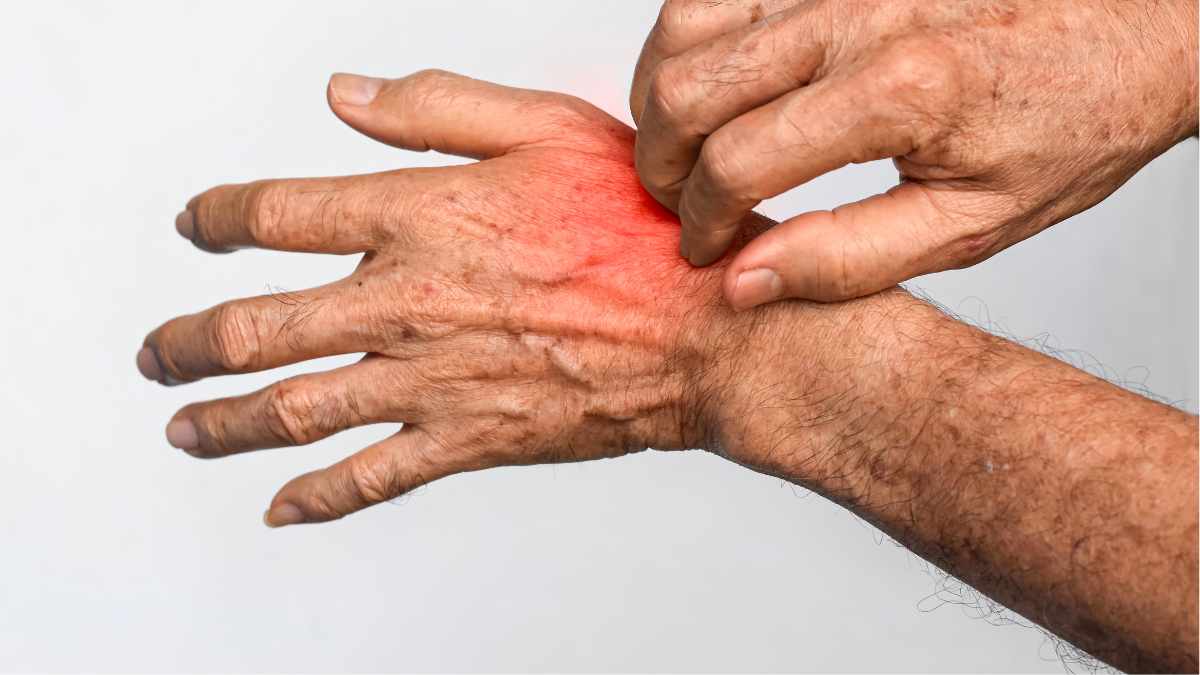
In addition to rashes, some people may develop contact dermatitis, characterized by redness, swelling, and itching. This condition occurs when the skin becomes inflamed due to direct contact with copper. Symptoms can appear within hours or days of exposure, making it essential to monitor any changes following contact with copper materials.
In severe cases, individuals may experience anaphylactic reactions, although this is rare. Symptoms of anaphylaxis can include difficulty breathing, swelling of the throat, and a rapid drop in blood pressure. Such reactions require immediate medical attention and should not be taken lightly. Understanding these symptoms is the first step in identifying a potential copper allergy.
It’s important to note that not all reactions to copper are allergies. Some individuals may have sensitivities that do not involve an immune response. Recognizing the distinction between an allergy and a sensitivity can help in determining the appropriate course of action.
Common Signs of Copper Allergic Reactions to Watch For
When assessing whether you might be allergic to copper, it’s essential to be vigilant about specific signs. The most common sign is a rash that appears at the site of contact with copper items. This rash can vary in appearance, from small red bumps to larger, inflamed patches of skin. Itching is often associated with these rashes, leading to further irritation if scratched.
Another common sign is the development of blisters, which can be painful and may ooze fluid. These blisters can occur in more severe reactions and may take longer to heal. In some cases, individuals may also experience discoloration of the skin, which can be mistaken for other dermatological conditions.
In addition to skin reactions, some people report systemic symptoms such as fatigue, headaches, or gastrointestinal issues after prolonged exposure to copper. These symptoms can be more challenging to link directly to copper exposure, as they may overlap with other health conditions. Keeping a detailed log of symptoms and their correlation with copper contact can be beneficial in identifying a potential allergy.
Finally, it is crucial to remember that symptoms can vary significantly from person to person. What may be a mild reaction for one individual could be severe for another. Therefore, it is essential to take any signs of an allergic reaction seriously and seek appropriate medical advice.
Diagnostic Tests for Confirming Copper Allergies
If you suspect you have a copper allergy, consulting a healthcare professional is the next step. A thorough medical history and physical examination are typically the first steps in the diagnostic process. Your doctor may ask about your symptoms, their onset, and any potential triggers related to copper exposure.
Patch testing is one of the most common diagnostic methods used to confirm metal allergies, including copper. During this procedure, small amounts of various substances, including copper, are applied to the skin and monitored for reactions. If a reaction occurs at the site of the copper application, it may indicate an allergy.
In some cases, blood tests may be conducted to assess the immune response to copper. These tests can help determine if there is an underlying sensitivity or allergy. However, blood tests are not as definitive as patch testing, and results should be interpreted in conjunction with clinical findings.
After a diagnosis is confirmed, your healthcare provider will discuss the best management strategies tailored to your specific needs. Understanding the results of diagnostic tests can empower you to make informed decisions about your health.
Distinguishing Copper Allergy from Other Metal Sensitivities
It is essential to differentiate between a copper allergy and sensitivities to other metals, such as nickel or cobalt. Nickel allergies are more common and can often cause similar symptoms, making it challenging to pinpoint the exact cause of a reaction. Individuals who are allergic to nickel may also experience cross-reactivity with copper, complicating the diagnosis.
To distinguish between these allergies, healthcare providers may recommend specific patch tests for each metal. By identifying which metal triggers a reaction, you can better understand your sensitivities. Additionally, keeping a detailed record of your reactions to various metals can provide valuable information for your healthcare provider.
Another factor to consider is the type of exposure. Copper is often found in alloys and can be combined with other metals, which may contribute to allergic reactions. Understanding the composition of jewelry or other items you come into contact with can help clarify whether copper or another metal is the culprit.
Finally, it’s essential to be aware of the symptoms associated with each type of allergy. While skin reactions are common across metal allergies, systemic symptoms may vary. Consulting with a specialist can provide clarity and ensure that you are managing the correct allergy effectively.
Management Strategies for Copper Allergy Symptoms
Managing a copper allergy primarily involves avoiding exposure to copper-containing items. This may include removing jewelry, avoiding certain types of clothing fasteners, and being cautious with household items. Identifying and eliminating sources of copper from your environment is crucial for preventing allergic reactions.
Over-the-counter antihistamines can help alleviate mild symptoms such as itching and redness. These medications work by blocking histamine, a substance your body releases during an allergic reaction. However, it’s essential to consult with a healthcare provider before starting any medication to ensure it is appropriate for your situation.
For more severe reactions, topical corticosteroids may be prescribed to reduce inflammation and soothe the skin. These medications can effectively manage rashes and other localized symptoms. In cases of anaphylactic reactions, carrying an epinephrine auto-injector is vital for immediate treatment.
Finally, educating yourself about your allergy is an essential part of management. Understanding which products contain copper and learning to read labels can help you avoid accidental exposure. Joining support groups or online forums can also provide valuable insights and shared experiences from others dealing with similar allergies.
When to Consult a Specialist for Copper Allergy Concerns
If you suspect you have a copper allergy, it is advisable to consult a healthcare professional, particularly if symptoms persist or worsen. A dermatologist or allergist can provide specialized care and guidance. They can conduct thorough evaluations and recommend appropriate testing to confirm the allergy.
In cases where symptoms are severe or involve systemic reactions, seeking immediate medical attention is crucial. Anaphylaxis can be life-threatening, and recognizing the signs early can save your life. If you experience difficulty breathing, swelling of the throat, or a rapid heartbeat, call emergency services immediately.
Additionally, if you find yourself frequently reacting to copper or other metals despite taking precautions, it may be time to consult a specialist. They can help you develop a comprehensive management plan and explore potential underlying conditions contributing to your symptoms.
Finally, ongoing education about metal allergies and sensitivities can empower you to make informed decisions about your health. Staying informed about new research and treatment options can enhance your quality of life and reduce the impact of your allergy.
Conclusions:
Copper allergies, while not as common as other metal allergies, can significantly impact those affected. Recognizing the symptoms, understanding diagnostic tests, and implementing management strategies are essential for navigating this condition. If you suspect you have a copper allergy, seeking professional guidance is crucial for effective management and prevention of severe reactions.
Read more
-
American Academy of Dermatology – Allergies to Metals
This resource provides comprehensive information on metal allergies, including symptoms and management strategies. -
Mayo Clinic – Contact Dermatitis
The Mayo Clinic offers insights into contact dermatitis, including causes, symptoms, and treatment options. -
American College of Allergy, Asthma & Immunology – Metal Allergies
This article discusses metal allergies, their symptoms, and how to manage them effectively. -
National Eczema Association – Metal Allergies and Eczema
This resource explains the relationship between metal allergies and eczema, providing valuable tips for management. -
PubMed Central – Metal Allergy: A Review
A scholarly review on metal allergies, including copper, detailing the mechanisms and clinical implications of these conditions.