

Introduction:
Nickel is a metal that, while essential in small amounts for certain biological processes, can be harmful in larger quantities. Many individuals are unaware of the potential nickel exposure in their homes, as it can be found in various household items. Testing for nickel at home can help identify sources of exposure and mitigate health risks. This article provides a comprehensive guide on how to test for nickel, the importance of such testing, and safety precautions to consider.
Understanding the Importance of Nickel Testing at Home
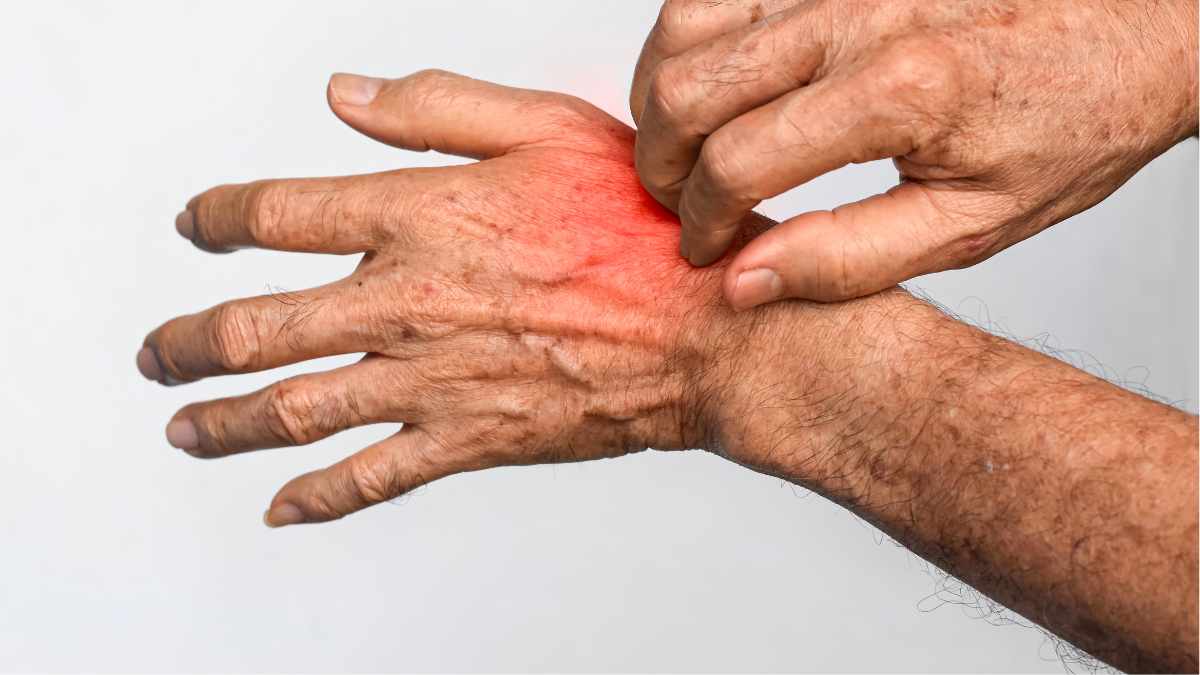
Nickel is a common allergen that can cause contact dermatitis in sensitive individuals. Symptoms may include redness, itching, and swelling upon contact with nickel-containing materials. Understanding the importance of testing for nickel at home is crucial for those who experience unexplained skin reactions or have a known allergy. By identifying nickel sources, individuals can take proactive steps to avoid exposure and reduce the risk of allergic reactions.
Moreover, nickel is often found in everyday items, including jewelry, coins, and kitchen utensils. Regular testing can help ensure that these items do not pose a risk to health, particularly for children and individuals with sensitive skin. Additionally, with the growing awareness of environmental toxins, many are opting for safer household products. Testing for nickel can be an integral part of this process.
Furthermore, nickel exposure has been linked to more severe health issues, including respiratory problems and potential carcinogenic effects. Identifying and eliminating nickel sources can contribute to overall well-being and promote a healthier living environment. This proactive approach to health can empower individuals to make informed choices about the products they use daily.
Finally, understanding the significance of nickel testing can also foster a greater awareness of the materials used in household items. This knowledge can lead to more conscientious purchasing decisions, as consumers become more informed about the potential risks associated with certain products.
Common Sources of Nickel Exposure in Household Items
Nickel can be found in a variety of household items, making it essential to identify potential sources of exposure. Jewelry is one of the most common sources, particularly costume jewelry that may contain nickel alloys. Many people may not realize that even some "nickel-free" labeled items can contain trace amounts of nickel that may provoke allergic reactions.
Another significant source of nickel exposure is in kitchen utensils and cookware. Stainless steel, which often contains nickel, is widely used in pots, pans, and cutlery. While stainless steel is generally considered safe, individuals with nickel allergies should be cautious and opt for nickel-free alternatives when possible.
Additionally, coins are a surprising source of nickel exposure. Many coins contain nickel as part of their alloy composition, and frequent handling can lead to skin reactions in sensitive individuals. It’s worth noting that the composition of coins can vary by country and over time, so awareness of local currency is essential.
Lastly, household appliances, particularly those made from metal, can also contain nickel. Items such as faucets, doorknobs, and tools may have nickel in their construction. Understanding these common sources can help individuals take necessary precautions to minimize their exposure to nickel.
Essential Tools and Materials for Home Nickel Testing
To conduct a nickel test at home, specific tools and materials are necessary to ensure accurate results. Nickel testing kits are widely available and typically include a testing solution and swabs. These kits are designed for easy use, allowing individuals to test various surfaces for nickel presence effectively.
In addition to a testing kit, a clean cloth or paper towel is essential for preparing the item being tested. This helps remove any dirt or contaminants that may interfere with the test results. Ensuring that the surface is clean will provide a more accurate reading of nickel presence.
A pair of gloves is also recommended during testing. Wearing gloves can prevent contamination from skin oils and reduce the risk of allergic reactions for individuals who may be sensitive to nickel. This precaution is particularly important when handling items known to contain nickel.
Finally, having a well-lit workspace is crucial for conducting tests. Good lighting will help ensure that you can clearly see any color changes or reactions that occur during the testing process. A well-organized area will also help streamline the testing process and improve accuracy.
Step-by-Step Guide to Conducting a Nickel Test
Conducting a nickel test at home is a straightforward process that can yield valuable information. Begin by gathering all necessary tools and materials, including your nickel testing kit, gloves, and a clean cloth. Ensure that your workspace is well-lit and organized to facilitate the testing process.
Next, clean the surface of the item you wish to test using a cloth or paper towel. This step is crucial for removing any contaminants that could affect the test results. Once the surface is clean, put on your gloves to prevent any skin contact with potential nickel.
Using the testing kit, follow the manufacturer’s instructions carefully. Typically, this involves applying a small amount of the testing solution to the surface and waiting for a specified time to observe any color changes. Different kits may have varying procedures, so it’s essential to adhere to the guidelines provided.
After the waiting period, check the item for any color changes as indicated in the instructions. If a color change occurs, it may indicate the presence of nickel. Document your findings, and if necessary, repeat the test on different items to ensure comprehensive results.
Interpreting Results: What Your Nickel Test Reveals
Interpreting the results of a nickel test is crucial for understanding your exposure risk. Most testing kits will provide a color chart that corresponds to the results observed. A color change typically indicates the presence of nickel, while no change suggests that the item is likely nickel-free.
If a color change occurs, it’s essential to note the intensity of the reaction. A stronger color change may indicate a higher nickel concentration, which could pose a greater risk for allergic reactions. Understanding the severity of the result can help you make informed decisions about whether to keep or discard the item.
In some cases, you may encounter items that test positive for nickel but are essential for daily use. In such situations, consider using protective coatings or barriers to minimize skin contact. For example, applying a clear nail polish to jewelry can create a barrier that reduces exposure.
Finally, keep in mind that while home testing can provide useful information, it may not be as comprehensive as laboratory testing. If you suspect significant nickel exposure or have severe reactions, consulting a professional for further testing and advice is recommended.
Safety Precautions When Testing for Nickel at Home
When testing for nickel at home, safety precautions are paramount to ensure a safe and effective process. Always wear gloves during the testing process to prevent skin contact with any potentially harmful substances. This is especially important for individuals with known nickel allergies.
Ensure that you are working in a well-ventilated area. Some testing solutions may emit fumes or contain chemicals that could be harmful if inhaled. Adequate ventilation will help mitigate any risks associated with exposure to these substances.
Additionally, read all instructions carefully before beginning your test. Understanding the proper use of the testing kit and any associated hazards will help ensure your safety. If you are unsure about any aspect of the testing process, do not hesitate to seek guidance from the manufacturer or consult a professional.
Finally, after completing the test, dispose of any used materials properly. Follow local regulations for disposing of chemical waste, and do not pour any leftover testing solutions down the drain unless specified as safe by the manufacturer. Proper disposal is crucial for maintaining a safe environment.
Conclusions:
Testing for nickel at home is a valuable process for identifying potential sources of exposure and protecting your health. By understanding the importance of nickel testing, recognizing common household sources, and following a systematic testing procedure, individuals can take proactive steps to minimize their risk. Safety precautions are essential throughout the process to ensure accurate results and personal safety. Ultimately, being informed about nickel exposure can lead to healthier living choices and reduce the risk of allergic reactions.
Read more
- CDC – Nickel: Comprehensive information on nickel exposure and health effects from the Centers for Disease Control and Prevention.
- NIH – Nickel Allergy: A detailed overview of nickel allergies, including symptoms and prevention strategies from the National Institutes of Health.
- American Academy of Dermatology – Nickel Allergy: Information on nickel allergies and management from a leading dermatological authority.
- Environmental Protection Agency – Nickel: Insights on nickel as an environmental pollutant and its health implications from the U.S. Environmental Protection Agency.
- PubMed – Nickel Testing: A database of research articles on nickel exposure and testing methodologies for further reading and scientific insights.