

Introduction:
Nickel contact dermatitis is a common allergic reaction that occurs when the skin comes into contact with nickel, a metal found in various everyday items such as jewelry, watches, and clothing fasteners. This condition can lead to significant discomfort and may affect an individual’s quality of life. Understanding how to effectively treat and manage this condition is crucial for those affected. This article will provide a comprehensive overview of nickel contact dermatitis, including its symptoms, diagnostic approaches, treatment strategies, preventive measures, and long-term management.
Understanding Nickel Contact Dermatitis: An Overview
Nickel contact dermatitis is classified as a type of allergic contact dermatitis, which is characterized by an immune response to nickel exposure. When nickel comes into contact with the skin, it can trigger an inflammatory response in sensitized individuals. This reaction is mediated by T-lymphocytes, which recognize nickel as a foreign substance. The condition is particularly prevalent among individuals who frequently wear nickel-containing jewelry or use items that contain nickel.
The incidence of nickel allergy has increased over the years, particularly in women, who are more likely to wear jewelry. Studies suggest that approximately 10-20% of the population may be sensitized to nickel, with varying degrees of severity. The condition is not only limited to direct contact but can also occur through indirect exposure, such as touching objects that have been in contact with nickel.
The pathophysiology of nickel contact dermatitis involves a delayed hypersensitivity reaction. Upon first exposure, the immune system may not react, but subsequent exposures can lead to a pronounced inflammatory response. Symptoms can develop within hours to days after contact, making it essential for individuals to recognize their triggers and avoid them.
Understanding the nature of nickel contact dermatitis is vital for effective management. By recognizing that it is an immune-mediated response, patients can better comprehend the importance of avoiding nickel and seeking appropriate treatment when symptoms arise.
Identifying Symptoms and Risk Factors of Nickel Dermatitis
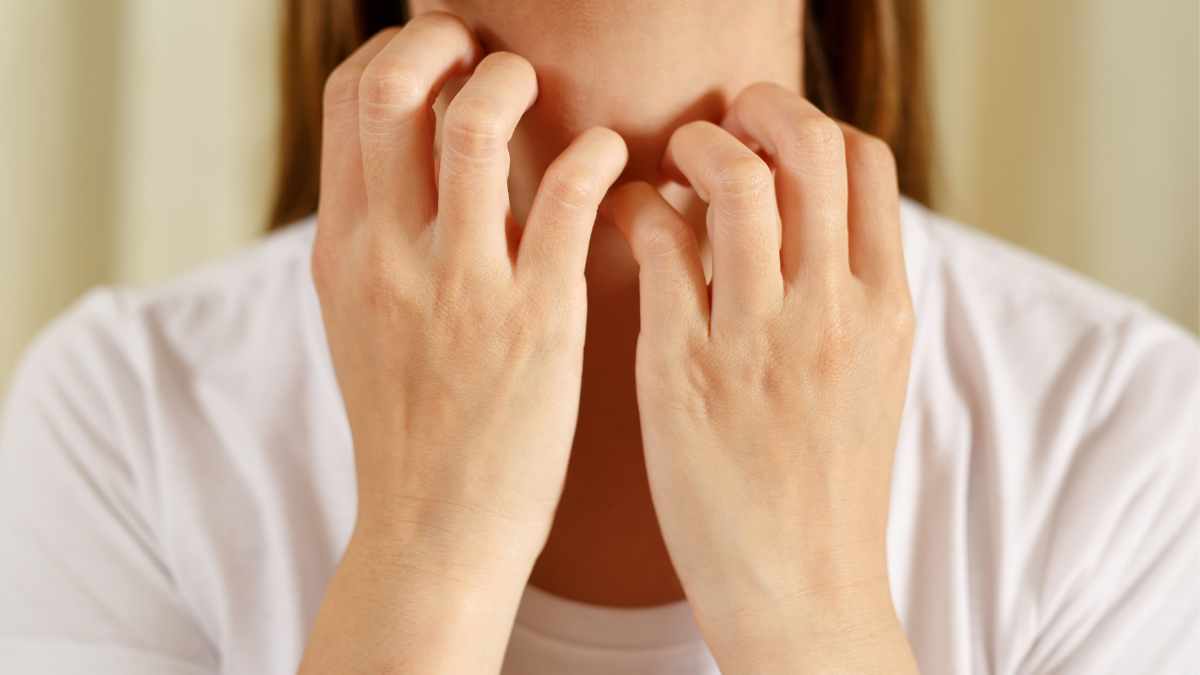
The symptoms of nickel contact dermatitis typically manifest as redness, itching, and swelling at the site of contact. In some cases, blisters may form, leading to oozing and crusting. The rash can be localized to the area of exposure or may spread to adjacent skin. Chronic exposure can result in lichenification, where the skin becomes thickened and leathery due to prolonged scratching or rubbing.
Risk factors for developing nickel contact dermatitis include genetic predisposition, previous allergic reactions, and prolonged exposure to nickel-containing items. Individuals who have a history of eczema or other allergic conditions may be more susceptible to developing a nickel allergy. Additionally, certain professions, such as jewelry making or metalworking, may increase the risk due to frequent handling of nickel.
Women are disproportionately affected by nickel dermatitis, primarily due to the prevalence of nickel in fashion jewelry. Items such as earrings, necklaces, and bracelets often contain nickel, making it essential for women to be aware of the materials used in their accessories. Furthermore, individuals with piercings should be cautious, as nickel can leach from metal jewelry into the skin.
Recognizing the symptoms and understanding the risk factors associated with nickel contact dermatitis is crucial for early intervention and management. Individuals who suspect they may have a nickel allergy should consult a healthcare professional for further evaluation.
Diagnostic Approaches for Nickel Allergy Confirmation
Confirming a diagnosis of nickel contact dermatitis typically involves a thorough clinical history and physical examination. A healthcare provider will assess the patient’s symptoms, exposure history, and any previous allergic reactions. This initial assessment is critical in determining whether nickel is the likely culprit.
One of the most definitive diagnostic tools is patch testing, which involves applying small amounts of potential allergens, including nickel, to the skin. The test is usually performed on the back and monitored over several days. A positive reaction, characterized by redness and swelling at the test site, confirms the presence of a nickel allergy. Patch testing is considered the gold standard for diagnosing contact dermatitis and helps differentiate nickel allergy from other skin conditions.
In some cases, additional tests such as blood tests or skin biopsies may be performed to rule out other dermatological conditions or to assess the severity of the allergic reaction. However, these tests are less common and are typically reserved for complex cases.
Once diagnosed, it is essential for patients to understand their allergy and the importance of avoiding nickel exposure. This knowledge empowers individuals to make informed decisions about the products they use and the materials they wear.
Effective Treatment Strategies for Nickel Contact Dermatitis
The primary approach to treating nickel contact dermatitis is elimination of exposure to nickel-containing items. This may involve removing jewelry, changing clothing fasteners, or using hypoallergenic alternatives. For individuals who experience severe reactions, it may be necessary to consult with a dermatologist for personalized advice on suitable materials.
In cases where symptoms are present, topical corticosteroids are often prescribed to reduce inflammation and alleviate itching. These medications can effectively manage acute flare-ups and are available in various strengths. For more severe cases, a healthcare provider may recommend systemic corticosteroids or other immunosuppressive therapies to control the inflammatory response.
In addition to pharmacological treatments, patients may benefit from moisturizing the affected areas to maintain skin barrier function. Regular application of emollients can help soothe irritated skin and prevent further complications. Patients should also be advised to avoid scratching, as this can exacerbate the condition and lead to secondary infections.
Education plays a vital role in managing nickel contact dermatitis. Patients should be informed about the nature of their allergy, potential sources of nickel exposure, and the importance of adhering to treatment plans. By understanding their condition, individuals can take proactive steps to minimize symptoms and improve their quality of life.
Preventive Measures to Avoid Nickel Exposure
Preventing nickel contact dermatitis primarily involves avoiding items that contain nickel. Individuals should be vigilant when purchasing jewelry, opting for nickel-free or hypoallergenic materials such as surgical stainless steel, titanium, or gold. It is also advisable to check clothing labels for nickel content, particularly in zippers, buttons, and other fasteners.
For those with piercings, it is crucial to choose jewelry made from materials that are less likely to cause allergic reactions. Medical-grade titanium or niobium are excellent alternatives for earrings and other body jewelry. Additionally, individuals should avoid wearing items that may tarnish or corrode, as this can increase the likelihood of nickel leaching into the skin.
When engaging in activities that may involve nickel exposure, such as metalworking or jewelry making, individuals should take precautions by wearing protective gloves and clothing. This barrier can help minimize direct contact with nickel-containing materials.
Lastly, educating family and friends about nickel allergies can foster a supportive environment for individuals affected by this condition. By raising awareness, those around them can help avoid situations that may lead to accidental exposure.
Long-term Management and Follow-Up Care Recommendations
Long-term management of nickel contact dermatitis involves ongoing education and vigilance regarding nickel exposure. Patients should regularly review their personal care products, clothing, and accessories to ensure they are free from nickel. Keeping a diary of symptoms and potential triggers can also help individuals identify patterns and avoid future reactions.
Follow-up care with a healthcare provider is essential for monitoring the condition and adjusting treatment plans as necessary. Regular check-ups can help assess the effectiveness of current strategies and provide an opportunity for further education on managing the allergy.
In cases where patients experience recurrent or severe symptoms, referral to a dermatologist or allergist may be warranted. These specialists can provide advanced treatment options and additional resources for managing nickel allergies effectively.
Support groups and online forums can also serve as valuable resources for individuals coping with nickel contact dermatitis. Sharing experiences and strategies with others facing similar challenges can provide emotional support and practical advice.
Conclusions:
Nickel contact dermatitis is a manageable condition with the right strategies in place. By understanding the nature of the allergy, recognizing symptoms, and implementing effective treatment and preventive measures, individuals can significantly improve their quality of life. Ongoing education and support are crucial for long-term management, allowing those affected to lead fulfilling lives free from the discomfort of nickel dermatitis.
Read more
- American Academy of Dermatology – A comprehensive resource on skin conditions, including contact dermatitis. Visit here
- National Eczema Association – Offers information on eczema and contact dermatitis, including treatment options. Visit here
- Mayo Clinic – Provides detailed information on nickel allergies and contact dermatitis, including symptoms and treatment. Visit here
- American Contact Dermatitis Society – A professional organization dedicated to the prevention and treatment of contact dermatitis. Visit here
- DermNet NZ – An online dermatology resource that covers various skin conditions, including nickel contact dermatitis. Visit here