

Introduction:
Metal allergies are increasingly recognized as a significant health concern, particularly in a world where metal exposure is ubiquitous. Among various metals, nickel stands out as the most common allergen, affecting a considerable portion of the population. This article delves into the intricacies of metal allergies, with a specific focus on nickel allergy, its mechanisms, symptoms, diagnosis, treatment options, and effective preventative measures.
Understanding Metal Allergies: An Overview of Common Types
Metal allergies arise when the immune system reacts adversely to certain metals. The most commonly implicated metals include nickel, cobalt, and chromium. These metals are often found in everyday items such as jewelry, watches, clothing fasteners, and even some medical devices. While metal allergies can manifest in various ways, they are primarily characterized by contact dermatitis, a condition that leads to skin irritation and inflammation.
Nickel allergy, in particular, is prevalent due to the widespread use of nickel in various alloys and products. Studies indicate that approximately 10-20% of the population may exhibit sensitivity to nickel, making it a significant public health issue. Other metals, such as cobalt and chromium, can also cause allergic reactions, but they are less common than nickel. Understanding the various types of metal allergies is crucial for effective diagnosis and management.
The mechanisms of metal allergies are complex and can vary from person to person. In general, metal ions can penetrate the skin and bind to proteins, forming new compounds that the immune system mistakenly identifies as harmful. This misidentification triggers an immune response, leading to the symptoms associated with metal allergies.
In addition to nickel, cobalt and chromium are also notable for their allergenic potential, particularly in occupational settings. For instance, cobalt is frequently used in the manufacturing of tools and batteries, while chromium is often found in stainless steel and certain pigments. Awareness of these metals and their potential to cause allergic reactions is essential for individuals who may be at risk.
Nickel Allergy: The Most Prevalent Metal Sensitivity
Nickel allergy is widely regarded as the most common metal sensitivity, with a higher prevalence among women than men. This discrepancy is often attributed to the greater likelihood of women wearing jewelry that contains nickel. The American Academy of Dermatology reports that nickel allergy is responsible for a significant percentage of contact dermatitis cases, making it a prevalent concern in dermatological practice.
The sources of nickel exposure are diverse. Jewelry, particularly inexpensive or costume jewelry, often contains high levels of nickel. Additionally, everyday items such as belt buckles, zippers, and eyeglass frames can also be culprits. Even some food items, such as chocolate and nuts, contain nickel, albeit in smaller amounts. This widespread exposure makes nickel allergy a common diagnosis among patients presenting with skin irritations.
Nickel allergy can develop at any age, but it often manifests after repeated exposure over time. Individuals who have previously experienced dermatitis from nickel-containing items are at a higher risk of developing a full-blown allergy. This delayed hypersensitivity reaction can lead to significant discomfort and may require ongoing management.
The impact of nickel allergy extends beyond physical symptoms; it can also affect an individual’s quality of life. Those with a nickel allergy may find themselves avoiding social situations or activities that involve wearing jewelry or using metal-containing items. This social limitation can lead to feelings of isolation and frustration, highlighting the importance of effective management strategies.
Mechanisms Behind Nickel-Induced Allergic Reactions
The underlying mechanisms of nickel-induced allergic reactions involve a complex interplay between the immune system and the metal itself. When nickel ions penetrate the skin, they bind to proteins, creating a hapten-protein complex. This complex is recognized as foreign by the immune system, triggering an inflammatory response.
The immune response is primarily mediated by T-cells, a type of white blood cell that plays a crucial role in the body’s defense against pathogens. In individuals with nickel allergy, sensitized T-cells become activated upon re-exposure to nickel, leading to the release of inflammatory cytokines. This process results in the characteristic symptoms of contact dermatitis, including redness, itching, and swelling.
Interestingly, not everyone exposed to nickel will develop an allergy. Genetic predisposition plays a significant role in determining an individual’s susceptibility to metal allergies. Certain genetic markers have been linked to an increased risk of developing nickel sensitivity, although further research is needed to fully understand these mechanisms.
Additionally, environmental factors, such as skin barrier integrity and the presence of other allergens, can influence the likelihood of developing a nickel allergy. For instance, individuals with compromised skin barriers due to conditions like eczema may be more susceptible to nickel sensitization. Understanding these mechanisms is essential for developing targeted interventions and management strategies for affected individuals.
Symptoms and Diagnosis of Nickel Allergy in Patients
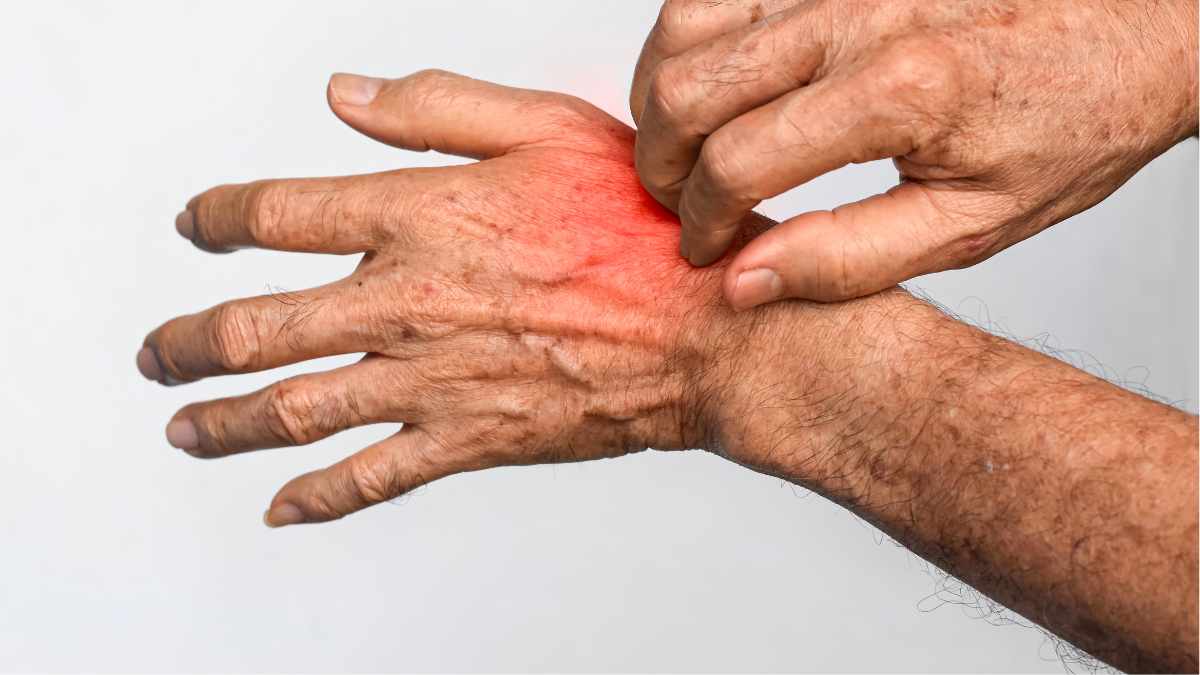
The symptoms of nickel allergy typically manifest as localized dermatitis, which can occur within hours to days after exposure. Common symptoms include redness, itching, swelling, and the formation of blisters. In some cases, the rash may become chronic, leading to thickened, scaly skin in areas that have been repeatedly exposed to nickel.
Diagnosis of nickel allergy is primarily based on clinical history and physical examination. A dermatologist may perform a patch test, where small amounts of nickel are applied to the skin to observe for a reaction. This test is crucial for confirming the diagnosis and differentiating nickel allergy from other skin conditions.
In addition to patch testing, a thorough patient history is essential for identifying potential sources of nickel exposure. Patients are often asked about their use of jewelry, clothing, and personal care products that may contain nickel. Understanding the patient’s lifestyle and exposure history can aid in developing an effective management plan.
It is important to note that the symptoms of nickel allergy can vary significantly among individuals. Some may experience mild irritation, while others may develop severe dermatitis. This variability underscores the importance of personalized treatment approaches tailored to the individual’s specific needs and sensitivities.
Treatment Options and Management Strategies for Allergies
The primary treatment for nickel allergy involves avoidance of nickel-containing products. Patients are advised to identify and eliminate sources of nickel exposure from their daily lives. This may include switching to hypoallergenic jewelry, using nickel-free clothing fasteners, and avoiding certain foods known to contain nickel.
In cases where dermatitis occurs, topical corticosteroids are often prescribed to reduce inflammation and alleviate symptoms. These medications can help manage flare-ups and provide relief from itching and discomfort. In severe cases, oral corticosteroids may be necessary to control widespread reactions.
Additionally, the use of emollients and moisturizers can help restore the skin barrier and prevent further irritation. Patients are encouraged to maintain good skin care practices, particularly in areas prone to nickel exposure. This proactive approach can significantly improve skin health and reduce the frequency of allergic reactions.
For individuals with persistent or severe symptoms, referral to an allergist or dermatologist may be warranted. These specialists can provide advanced treatment options, including immunotherapy, which aims to desensitize the immune system to nickel over time. However, this approach is still under investigation and is not widely available.
Preventative Measures to Avoid Nickel Exposure Effectively
Preventative measures are crucial for individuals with nickel allergy to minimize exposure and manage symptoms effectively. One of the most effective strategies is to choose nickel-free alternatives for jewelry and accessories. Many manufacturers now offer hypoallergenic options that are specifically designed for individuals with metal sensitivities.
When purchasing clothing, it is essential to check for nickel-containing fasteners and zippers. Opting for clothing made from natural fibers and avoiding synthetic materials can also help reduce skin irritation. Additionally, individuals should be cautious when using personal care products, as some cosmetics and skin care items may contain nickel or nickel-derived compounds.
For those who work in environments where nickel exposure is likely, such as manufacturing or construction, wearing protective gear is vital. This may include gloves and long sleeves to minimize skin contact with nickel-containing materials. Employers should also implement safety measures to reduce the risk of nickel exposure in the workplace.
Education plays a significant role in prevention. Individuals with nickel allergies should be informed about the potential sources of nickel in their environment and the importance of avoiding these triggers. Support groups and educational resources can provide valuable information and help individuals navigate their allergies effectively.
Conclusions:
Nickel allergy is the most common metal sensitivity, affecting a significant portion of the population. Understanding the mechanisms behind this allergy, recognizing its symptoms, and implementing effective treatment and prevention strategies are essential for managing this condition. By raising awareness and educating individuals about nickel exposure, we can improve the quality of life for those affected by this prevalent allergy.
Read more
- American Academy of Dermatology – Nickel Allergy – A comprehensive resource on skin conditions, including information on nickel allergy and its management.
- Mayo Clinic – Nickel Allergy – An authoritative source detailing symptoms, diagnosis, and treatment options for nickel allergy.
- National Institutes of Health – Metal Allergy – Research and findings related to metal allergies, including nickel and its effects on health.
- American Contact Dermatitis Society – Nickel Allergy – A professional organization providing information on contact dermatitis, including nickel allergy.
- WebMD – Understanding Nickel Allergy – A user-friendly resource that explains nickel allergy symptoms, causes, and treatment options.