

Introduction:
Nickel allergy is a common condition that affects many individuals, leading to discomfort and skin reactions when exposed to nickel-containing products, particularly jewelry. Understanding how to navigate this allergy is essential for those who wish to enjoy wearing jewelry without the risk of adverse reactions. This article will explore the causes and symptoms of nickel allergy, identify safe materials for hypoallergenic jewelry, recommend suitable metals, and discuss alternative jewelry options. Additionally, we will provide maintenance tips for hypoallergenic jewelry care and conclude with guidance for making informed choices.
Understanding Nickel Allergy: Causes and Symptoms
Nickel allergy is a form of contact dermatitis that occurs when the skin comes into contact with nickel-containing materials. The immune system mistakenly identifies nickel as a harmful substance, triggering an allergic reaction. This condition is prevalent among individuals who frequently wear jewelry, as many common alloys contain nickel. The primary cause of this allergy is prolonged exposure to nickel, which can lead to sensitization over time.
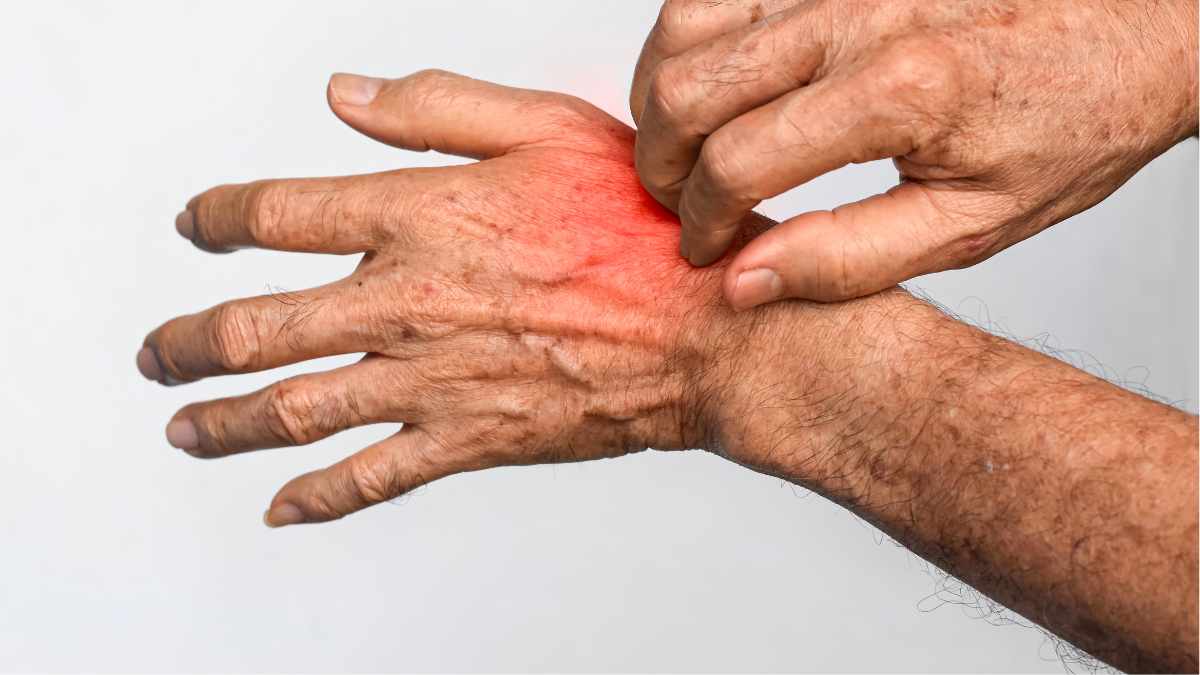
Symptoms of nickel allergy can vary in severity but typically include redness, itching, swelling, and rash in areas where the skin has been in contact with nickel. In some cases, blisters may form, leading to further discomfort. These symptoms can appear within hours or days after exposure, making it essential for individuals to recognize and avoid nickel-containing items. Understanding these symptoms is crucial for those who suspect they may have a nickel allergy.
In addition to jewelry, nickel can be found in various everyday items, including watches, eyeglass frames, and clothing fasteners. This widespread presence of nickel means that individuals with an allergy must remain vigilant in their choices. By being aware of the potential sources of nickel, individuals can better manage their exposure and avoid triggering allergic reactions.
It is also important to note that some individuals may have a higher predisposition to nickel allergy due to genetic factors or existing skin conditions. Consulting with a healthcare professional can help determine the best course of action for managing symptoms and avoiding allergens.
Identifying Safe Materials for Hypoallergenic Jewelry
When searching for jewelry that is safe for individuals with a nickel allergy, it is crucial to identify materials that are considered hypoallergenic. Hypoallergenic jewelry is designed to minimize the risk of allergic reactions by using materials that are less likely to cause sensitivity. Common hypoallergenic materials include surgical-grade stainless steel, titanium, and certain types of gold and silver.
Surgical-grade stainless steel is an excellent option for those with nickel allergies. This material is specifically formulated to be resistant to corrosion and tarnishing, making it an ideal choice for jewelry that will be worn regularly. It typically contains very low levels of nickel, which reduces the risk of an allergic reaction.
Titanium is another highly recommended metal for hypoallergenic jewelry. This lightweight and durable material is completely nickel-free, making it safe for individuals with sensitivities. Titanium is often used in wedding bands and body jewelry, offering a stylish yet safe alternative for those prone to allergic reactions.
Certain gold and silver alloys can also be hypoallergenic, but it is essential to check the composition. For example, 14k or 18k gold is generally safer than lower karat gold, which may contain higher nickel content. Similarly, sterling silver should be checked for nickel content, as some manufacturers may include nickel in their alloys.
Recommended Metals for Nickel-Allergic Individuals
For individuals with nickel allergies, specific metals are recommended for jewelry wear. These metals not only provide aesthetic appeal but also ensure safety and comfort. As previously mentioned, surgical-grade stainless steel is a top choice due to its hypoallergenic properties and durability.
Another excellent option is platinum, which is a noble metal that is naturally hypoallergenic. Platinum jewelry is often more expensive but offers a timeless elegance and is highly resistant to tarnishing and wear. This makes it a worthwhile investment for those who want to avoid allergic reactions while enjoying luxurious jewelry.
Gold is also a popular choice, especially when opting for higher karat options. Gold jewelry that is 14k or higher typically contains less nickel, making it safer for those with allergies. Additionally, gold plating over a base metal can provide a beautiful finish without the risk of exposure to nickel, provided the base metal is also hypoallergenic.
Lastly, copper and brass can be alternatives, but they may cause reactions in some individuals. It is advisable to test these materials on a small area of skin before committing to wearing them regularly. Overall, choosing the right metals is crucial for maintaining comfort and style for those with nickel allergies.
Exploring Alternative Jewelry Options and Styles
In addition to selecting the right metals, individuals with nickel allergies can explore various alternative jewelry styles that cater to their needs. Natural materials such as wood, leather, and fabric can be excellent choices for jewelry. These materials are typically free from nickel and can be crafted into unique and stylish pieces that complement any outfit.
For those who prefer a more traditional look, ceramic and glass jewelry can also be hypoallergenic alternatives. These materials are not only aesthetically pleasing but also offer a wide range of designs and colors. Ceramic and glass pieces can be found in earrings, necklaces, and bracelets, providing versatility without the risk of allergic reactions.
Another trend gaining popularity is the use of silicone in jewelry design. Silicone rings, for example, have become a popular alternative to traditional metal wedding bands. They are comfortable, durable, and entirely free of nickel, making them an ideal choice for those with sensitivities.
Finally, considering custom jewelry made from hypoallergenic materials can be a great way to ensure safety while expressing personal style. Many artisans and jewelers specialize in creating unique pieces tailored to individual preferences, allowing for a personalized touch without compromising on safety.
Maintenance Tips for Hypoallergenic Jewelry Care
Proper care and maintenance of hypoallergenic jewelry are essential to ensure its longevity and continued safety. Regular cleaning helps remove dirt, oils, and other residues that can accumulate on jewelry. For metals like surgical-grade stainless steel and titanium, a simple solution of mild soap and warm water is often sufficient. Gently scrub with a soft cloth or brush, and rinse thoroughly to avoid any buildup.
When it comes to natural materials, such as wood or leather, special care should be taken. Avoid exposing these materials to excessive moisture or harsh chemicals, as they can degrade over time. Instead, use a damp cloth to wipe them down and allow them to air dry completely before storing them.
It is also important to store hypoallergenic jewelry properly. Using a soft pouch or a dedicated jewelry box can prevent scratches and tangling. Keeping jewelry separate from other pieces can help maintain its appearance and integrity, especially for delicate items.
Lastly, always check the manufacturer’s care instructions for specific pieces, as different materials may require unique maintenance practices. By following these tips, individuals can ensure their hypoallergenic jewelry remains in excellent condition for years to come.
Conclusion: Making Informed Choices for Jewelry Wearers
Navigating a nickel allergy does not mean sacrificing style or elegance in jewelry choices. By understanding the causes and symptoms of nickel allergy, individuals can make informed decisions when selecting jewelry. Identifying safe materials, such as surgical-grade stainless steel, titanium, and certain gold and silver alloys, is essential for avoiding allergic reactions.
Exploring alternative jewelry options, including natural materials and custom designs, can provide individuals with a wide range of choices that cater to their personal style while ensuring safety. Proper maintenance of hypoallergenic jewelry is crucial for preserving its beauty and functionality. With the right knowledge and care, individuals can confidently wear jewelry without the fear of discomfort or allergic reactions.
Read more:
- American Academy of Dermatology – Nickel Allergy – Comprehensive information on nickel allergy, its causes, and management.
- Mayo Clinic – Nickel Allergy – Detailed overview of symptoms and treatment options for nickel allergy.
- Healthline – Hypoallergenic Jewelry – Insights into hypoallergenic materials and recommendations for jewelry wearers.
- National Eczema Association – Jewelry Allergies – Resources and tips for managing jewelry allergies, including nickel sensitivity.
- The Allergy and Asthma Foundation – Nickel Allergy – Information on nickel allergy, including prevention and treatment strategies.