

Introduction:
Jewelry has long been a cherished form of self-expression, cultural significance, and personal adornment. However, for many individuals, the joy of wearing jewelry can be overshadowed by the discomfort caused by nickel allergies. Nickel, a common metal in jewelry manufacturing, can trigger allergic reactions in sensitive individuals, leading to skin irritation, rashes, and other uncomfortable symptoms. As awareness of nickel allergies grows, so does the demand for nickel-free jewelry. This article explores the various aspects of nickel-free jewelry, including its definition, materials, brands, testing methods, and the benefits it offers to consumers.
Understanding Nickel Allergies and Their Impact on Jewelry
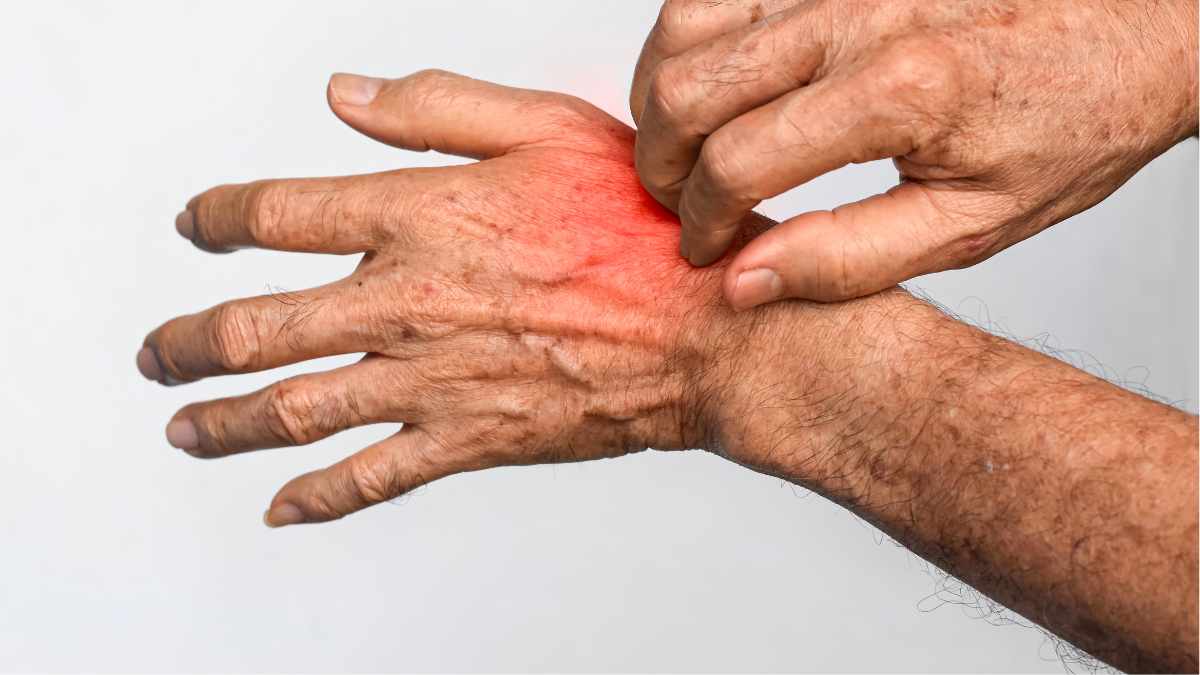
Nickel allergies are among the most common metal allergies worldwide, affecting a significant portion of the population. When individuals with a nickel allergy come into contact with jewelry containing nickel, their immune systems react, leading to symptoms such as redness, itching, and swelling. These reactions can vary in severity, with some individuals experiencing mild discomfort while others may face more severe consequences. The prevalence of nickel allergies has prompted a growing awareness of the need for safer jewelry options.
The impact of nickel allergies extends beyond physical discomfort; it can also affect an individual’s social interactions and self-esteem. Many people may feel limited in their choices of jewelry, often opting for less fashionable or less appealing options simply to avoid allergic reactions. This limitation can lead to frustration and a sense of exclusion from the world of fashion and personal adornment.
Moreover, the increasing popularity of body piercings and fashion jewelry has heightened the importance of addressing nickel allergies. Many of these items are made from low-quality metals that often contain nickel, exacerbating the issue for sensitive individuals. As a result, the jewelry industry is under pressure to provide alternatives that are not only stylish but also safe for those with allergies.
In response to these challenges, consumers are becoming more informed and proactive about their jewelry choices. They are seeking out products that explicitly state they are nickel-free, leading to a shift in manufacturing practices and a growing market for hypoallergenic jewelry options.
Defining Nickel-Free Jewelry: Standards and Regulations
Nickel-free jewelry is defined as jewelry that contains little to no nickel content, making it safe for individuals with nickel allergies. However, the term "nickel-free" can vary in meaning depending on the standards and regulations in different countries. In the European Union, for instance, strict regulations govern the amount of nickel allowed in jewelry. According to the EU Nickel Directive, jewelry must contain less than 0.2% nickel to be classified as nickel-free.
In the United States, there are no federal regulations specifically governing nickel content in jewelry. However, many manufacturers voluntarily adhere to similar standards to ensure consumer safety. This lack of uniformity can create confusion for consumers, as the term "nickel-free" may not always guarantee the same level of safety across different brands and products.
To further complicate matters, some jewelry items may be labeled as "nickel-free" but still contain trace amounts of nickel due to manufacturing processes or contamination. Therefore, consumers must be vigilant and informed when shopping for jewelry, seeking out reputable brands that provide clear information about their materials and manufacturing practices.
As awareness of nickel allergies continues to grow, the jewelry industry is likely to see increased pressure for transparency and adherence to strict standards. This shift will benefit consumers by providing them with safer and more reliable options for their jewelry needs.
Common Materials Used in Nickel-Free Jewelry Production
Nickel-free jewelry is typically made from a variety of materials that do not contain nickel or contain it in minimal amounts. Some of the most common materials used include surgical stainless steel, titanium, sterling silver, and various types of gold. Surgical stainless steel, for instance, is an alloy that is highly resistant to corrosion and tarnishing, making it a popular choice for hypoallergenic jewelry.
Titanium is another excellent option for nickel-free jewelry. Known for its strength and lightweight properties, titanium is often used in body jewelry and fashion accessories. It is biocompatible, meaning it is safe for use in medical applications, which further underscores its suitability for individuals with nickel allergies.
Sterling silver is often considered a classic choice for jewelry, but it is essential to ensure that the sterling silver is nickel-free. Some manufacturers produce sterling silver that is alloyed with metals other than nickel, making it a safe choice for sensitive individuals. Additionally, gold jewelry, particularly 14k or 18k gold, is generally considered safe, as it contains minimal amounts of nickel.
In recent years, innovative materials such as resin, silicone, and glass have also gained popularity in the nickel-free jewelry market. These materials offer unique designs and styles while being entirely free of nickel, appealing to consumers looking for alternative options.
Identifying Brands Committed to Nickel-Free Options
As the demand for nickel-free jewelry grows, several brands have emerged as leaders in providing safe and stylish options. These brands often prioritize transparency in their manufacturing processes and materials, allowing consumers to make informed choices. Some well-known brands include Tiffany & Co., which offers a range of nickel-free jewelry made from high-quality materials, and Pandora, known for its commitment to hypoallergenic options.
Another brand worth mentioning is Blue Nile, which provides detailed information about the materials used in their jewelry, ensuring that consumers can find nickel-free options easily. Additionally, Etsy is a marketplace that features numerous independent artisans who often specialize in handmade, nickel-free jewelry. By supporting these artisans, consumers can find unique pieces while ensuring they are free from nickel.
Many brands also offer certification or guarantees regarding their products’ nickel content. This added layer of assurance can help consumers feel more confident in their purchases. It’s essential for consumers to research and read reviews about brands to find those that are genuinely committed to providing nickel-free options.
Social media and online platforms have also played a significant role in raising awareness about nickel-free jewelry. Influencers and bloggers often share their experiences with various brands, helping consumers identify reputable sources for their jewelry needs.
Testing Methods for Nickel Content in Jewelry Items
Testing for nickel content in jewelry is crucial for ensuring safety for individuals with allergies. Several methods can be employed to determine the presence of nickel in jewelry items. One common method is the use of a nickel testing kit, which typically includes a solution that changes color when it comes into contact with nickel. These kits are user-friendly and can provide quick results for consumers looking to verify the nickel content in their jewelry.
Another method involves laboratory testing, where samples of jewelry are analyzed using techniques such as X-ray fluorescence (XRF) or atomic absorption spectroscopy. These methods provide accurate measurements of the metal composition and can detect even trace amounts of nickel. While laboratory testing may not be feasible for individual consumers, it is often used by manufacturers and regulatory bodies to ensure compliance with safety standards.
In addition to these testing methods, some brands voluntarily submit their products for third-party testing to verify their nickel-free claims. This practice adds an extra layer of credibility and transparency, allowing consumers to trust that the jewelry they are purchasing is indeed safe.
Consumers can also look for certifications from reputable organizations that specialize in testing and verifying nickel-free products. These certifications can serve as a reliable indicator of a brand’s commitment to providing safe jewelry options.
Benefits of Choosing Nickel-Free Jewelry for Consumers
Choosing nickel-free jewelry offers numerous benefits for consumers, particularly those with nickel allergies. The most obvious advantage is the elimination of allergic reactions, allowing individuals to wear jewelry comfortably without the fear of irritation or rashes. This comfort can significantly enhance the overall experience of wearing jewelry, allowing individuals to express their style without limitations.
Additionally, nickel-free jewelry often features high-quality materials that are more durable and resistant to tarnishing. For example, surgical stainless steel and titanium are known for their strength and longevity, making them excellent choices for everyday wear. Consumers can enjoy their jewelry for longer periods without the need for frequent replacements.
Another benefit of nickel-free jewelry is the increased variety of styles and designs available. As more brands commit to producing nickel-free options, consumers can find a wide range of fashionable pieces that cater to their tastes. From elegant earrings to trendy bracelets, the market for nickel-free jewelry continues to expand, allowing individuals to express their unique style.
Moreover, choosing nickel-free jewelry can contribute to a more sustainable and ethical jewelry industry. Many brands that prioritize nickel-free options also focus on responsible sourcing and environmentally friendly practices. By supporting these brands, consumers can feel good about their purchases, knowing they are contributing to a more sustainable future.
Conclusions:
In conclusion, the demand for nickel-free jewelry is on the rise as more individuals become aware of nickel allergies and their impact on personal comfort and style. Understanding what constitutes nickel-free jewelry, the materials used in its production, and the brands committed to offering safe options is essential for consumers. By staying informed about testing methods and the benefits of choosing nickel-free jewelry, individuals can make confident choices that enhance their jewelry-wearing experience while prioritizing their health and well-being.
Read more
- American Academy of Dermatology – A comprehensive resource on skin allergies, including nickel allergies and their management. Visit here.
- European Commission – Nickel Directive – Detailed information on regulations regarding nickel in jewelry within the EU. Visit here.
- Nickel Allergy Resource Center – Offers insights and resources for individuals dealing with nickel allergies. Visit here.
- Etsy – A marketplace where consumers can find handmade, nickel-free jewelry from independent artisans. Visit here.
- Consumer Product Safety Commission – Provides information on safety standards and regulations for jewelry and other consumer products. Visit here.