

Introduction:
Nickel is a naturally occurring metal that has found its way into various industries, including cosmetics. While it is often overlooked, nickel can pose significant health risks, particularly for individuals with sensitivities or allergies. Understanding the presence of nickel in makeup products is crucial for consumers seeking to avoid adverse reactions. This article delves into the properties of nickel, its presence in makeup, regulatory standards, and alternatives for those affected by nickel allergies.
Understanding Nickel: Properties and Health Implications
Nickel is a silvery-white metal that is known for its resistance to corrosion and oxidation. It is widely used in various applications, including batteries, stainless steel, and, notably, cosmetics. Its unique properties allow it to enhance the durability and finish of products, making it a popular choice among manufacturers. However, the biological implications of nickel exposure cannot be ignored.
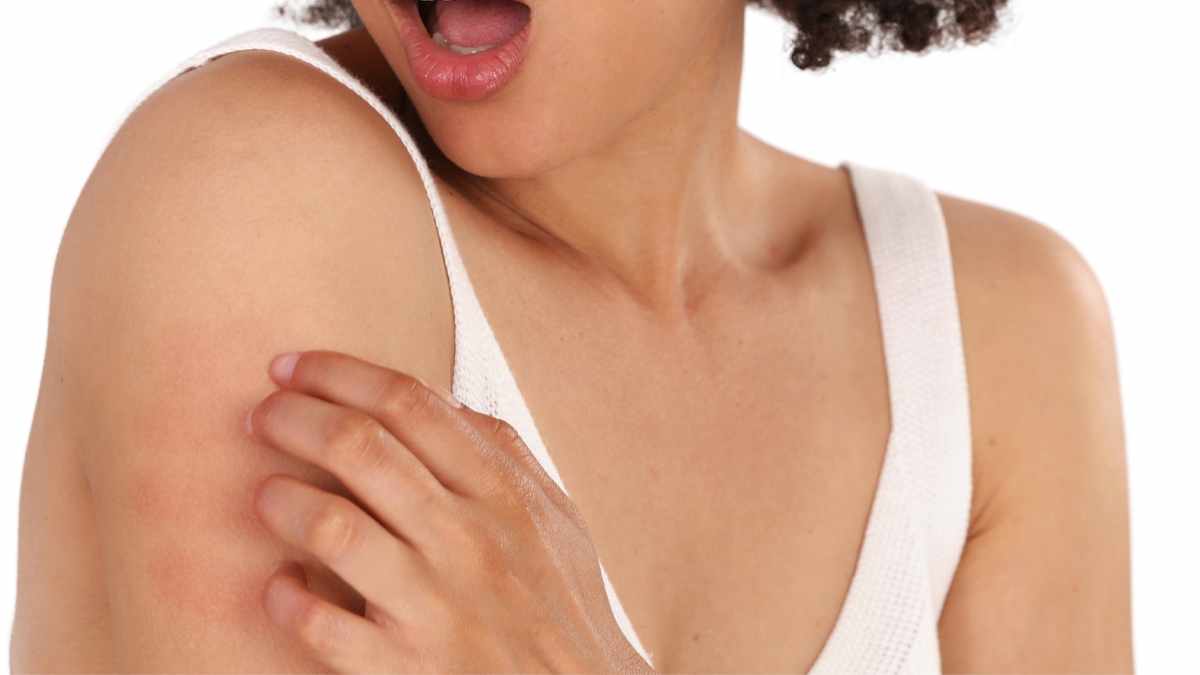
For many individuals, nickel can trigger allergic reactions, leading to symptoms such as rashes, itching, and even severe dermatitis. This is particularly concerning for those with nickel allergy, a condition that affects a significant portion of the population. Studies suggest that repeated exposure can exacerbate these reactions, leading to chronic skin conditions. Therefore, understanding the health implications of nickel in cosmetics is essential for informed consumer choices.
Moreover, nickel is often present in trace amounts in various formulations, which can complicate the identification of products that may cause reactions. The cumulative effect of nickel exposure from multiple sources—such as jewelry, clothing, and cosmetics—can lead to heightened sensitivity over time. This underscores the importance of awareness and vigilance regarding nickel in makeup products.
In summary, while nickel serves functional purposes in cosmetics, its potential health risks necessitate careful consideration. Consumers should be aware of their sensitivities and the implications of using products that may contain this metal.
Common Makeup Products Containing Nickel Compounds
Nickel can be found in a variety of makeup products, often as a byproduct of other ingredients or as a component of colorants. Foundational products, such as liquid foundations and powders, may contain nickel due to the presence of certain pigments. For instance, some iron oxides used for coloring can be contaminated with nickel, making it difficult for consumers to identify the source of their exposure.
Additionally, eyeshadows, particularly those with metallic finishes, may also contain nickel. The shimmering effects often come from mica or other mineral-based ingredients, which can sometimes include nickel impurities. This is particularly concerning for individuals who apply these products near sensitive areas, such as the eyelids.
Lip products, including lipsticks and glosses, may also harbor nickel, especially if they contain color additives derived from natural sources. These additives can be contaminated with nickel during processing, leading to unintentional exposure. Thus, consumers should be cautious when selecting lip products, particularly those with bold colors or metallic finishes.
Finally, nail polishes can contain nickel, primarily through colorants and certain formulations. The use of nickel in nail products poses a risk, especially for individuals who frequently apply and remove nail polish, as repeated exposure can lead to sensitization. Understanding the common makeup products that may contain nickel is essential for managing exposure and preventing allergic reactions.
Identifying Nickel in Cosmetic Ingredient Lists
Identifying nickel in cosmetic products can be challenging due to the complexity of ingredient lists. Unlike more common allergens, nickel is not always explicitly mentioned, as it may be present in trace amounts or as a contaminant. Consumers should look for specific terms that may indicate the presence of nickel, such as "nickel sulfate" or "nickel oxide," although these are not always listed.
Ingredients derived from natural sources, such as clays, minerals, and metals, can also pose a risk. For example, products containing talc or mica may be contaminated with nickel, even if it is not listed as an ingredient. This makes it essential for consumers to be aware of the potential for contamination in mineral-based cosmetics.
To aid in identifying nickel, consumers can refer to certifications and labels that indicate nickel-free formulations. Some brands specifically market their products as "nickel-free," providing an extra layer of assurance for sensitive individuals. However, it is crucial to verify these claims through reputable sources, as the term "nickel-free" can sometimes be misleading.
In conclusion, while identifying nickel in cosmetic ingredient lists can be complex, consumers can take proactive steps to minimize their exposure. By being vigilant and informed, individuals can make safer choices in their makeup selections.
Regulatory Standards for Nickel in Cosmetics
Regulatory standards for nickel in cosmetics vary by region, with some countries imposing stricter guidelines than others. In the European Union, for example, there are stringent regulations governing the use of nickel in cosmetics. The EU Cosmetics Regulation mandates that products must not contain harmful substances, including certain levels of nickel, to ensure consumer safety.
In the United States, the Food and Drug Administration (FDA) does not have specific regulations regarding nickel in cosmetics. However, the FDA does require that all cosmetic products be safe for consumer use. This lack of specific regulation means that consumers must rely on manufacturers to disclose the presence of nickel and other allergens.
Furthermore, organizations such as the American Contact Dermatitis Society and the European Society of Contact Dermatitis provide guidelines and recommendations regarding nickel exposure in cosmetics. These organizations advocate for increased awareness and better labeling practices to protect consumers with sensitivities.
Overall, the regulatory landscape for nickel in cosmetics highlights the need for consumer education and vigilance. While some regions have established guidelines, the absence of comprehensive regulations in others necessitates a proactive approach to managing nickel exposure.
Alternatives to Nickel-Containing Makeup Products
For individuals with nickel allergies, seeking alternatives to traditional makeup products is essential. Fortunately, the cosmetic industry has responded to the demand for safer formulations, leading to the emergence of nickel-free and hypoallergenic products. These alternatives are specifically designed to minimize the risk of allergic reactions while still providing effective cosmetic solutions.
Mineral makeup is a popular choice among those with sensitivities, as it often contains fewer synthetic ingredients and is less likely to include nickel. Brands that focus on natural and organic formulations typically prioritize safety and transparency in their ingredient sourcing. Consumers should look for labels that explicitly state "nickel-free" to ensure they are choosing safer options.
Additionally, many brands now offer vegan and cruelty-free cosmetics that are free from animal-derived ingredients, which can sometimes contain nickel. These products often undergo rigorous testing to ensure they are safe for sensitive skin, making them a viable alternative for consumers seeking to avoid nickel exposure.
Lastly, DIY cosmetics have gained popularity as a way to control ingredient sourcing. By creating makeup products at home using natural ingredients, individuals can avoid nickel and other allergens altogether. This approach allows for complete customization and peace of mind regarding ingredient safety.
Best Practices for Nickel Allergy Management in Makeup
Managing a nickel allergy requires a proactive approach, particularly when it comes to makeup choices. First and foremost, individuals should conduct thorough research on products before purchasing. This includes reading ingredient lists, checking for certifications, and seeking out brands known for their commitment to allergen-free formulations.
Patch testing is another effective strategy for individuals with known sensitivities. Applying a small amount of a new product to a discreet area of skin can help identify potential reactions before widespread application. This practice is particularly important for products applied to sensitive areas, such as the face and eyes.
Additionally, maintaining a makeup diary can be beneficial for tracking products that cause reactions. By documenting the products used and any subsequent reactions, individuals can identify patterns and avoid specific formulations in the future. This information can also be valuable when consulting with healthcare professionals regarding allergy management.
Lastly, it is essential to communicate openly with makeup artists and beauty consultants about allergies. Professionals in the beauty industry can provide guidance on suitable products and techniques for individuals with nickel sensitivities, ensuring a safer and more enjoyable makeup experience.
Conclusions:
Understanding the presence of nickel in makeup products is crucial for individuals with sensitivities or allergies. By being informed about the properties of nickel, recognizing its presence in common products, and adhering to best practices for allergy management, consumers can make safer choices. The cosmetic industry continues to evolve, offering alternatives and solutions for those affected by nickel allergies, promoting a safer beauty experience for all.
Read more
- American Contact Dermatitis Society – A resource for information on contact dermatitis, including nickel allergies and management strategies.
- European Commission – Cosmetics Regulation – An overview of the regulatory framework governing cosmetics in the EU, including standards for nickel.
- FDA – Cosmetics – Information on the FDA’s regulations and guidelines for cosmetic products in the United States.
- National Institute of Health – Nickel Allergy – A comprehensive study on nickel allergy, its prevalence, and management.
- Environmental Working Group – Skin Deep Database – A database that allows consumers to search for cosmetic products and their safety ratings, including information on allergens like nickel.