

Introduction:
Experiencing an allergic reaction to a wedding ring can be both surprising and distressing. Many individuals wear their rings daily without issue, only to find themselves suddenly sensitive to the materials. Understanding the underlying causes of these reactions is essential for those affected. This article delves into the factors contributing to metal allergies, the common allergens found in jewelry, and how to manage and prevent these reactions effectively.
Understanding Allergic Reactions to Jewelry Materials
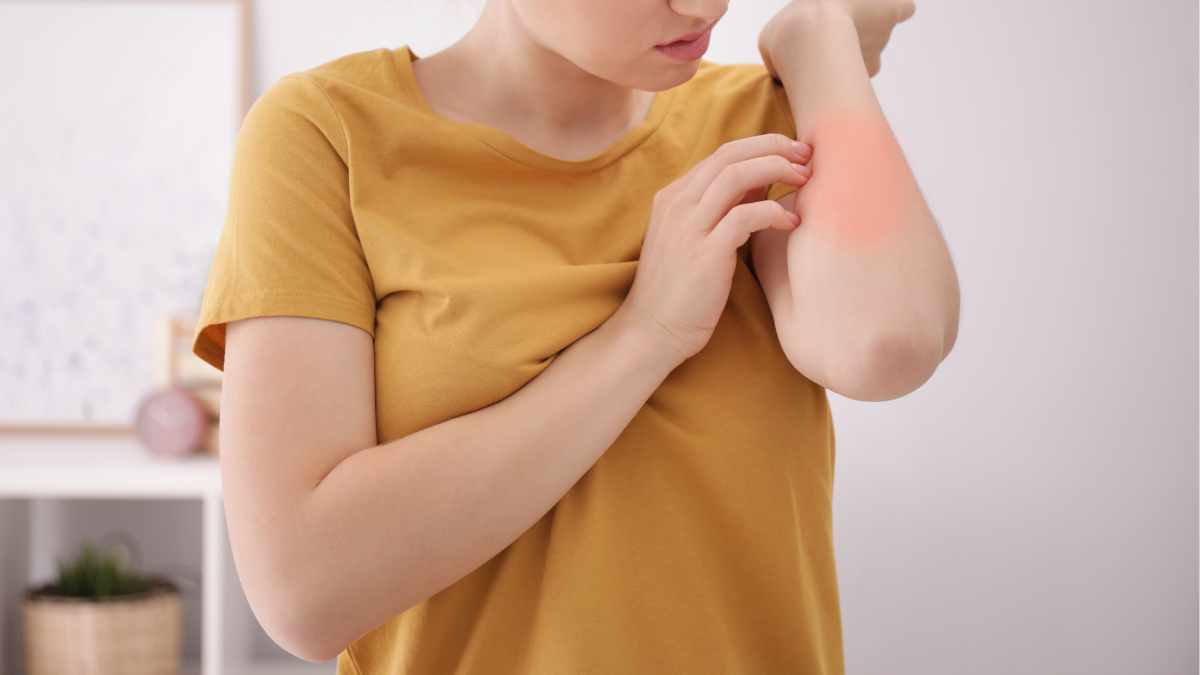
Allergic reactions to jewelry typically arise from the body’s immune response to certain metals. When the skin comes into contact with these materials, the immune system may mistakenly identify them as harmful substances, triggering an inflammatory response. This phenomenon is known as contact dermatitis, which can manifest as redness, itching, swelling, or even blistering at the site of contact.
The severity of these reactions can vary significantly from person to person. Some individuals may experience mild irritation, while others might have severe reactions requiring medical intervention. It is important to recognize that these allergies can develop at any time, even after years of wearing the same piece of jewelry without issues. This unpredictability can be particularly frustrating for those who cherish their wedding rings.
The body’s immune system can change over time due to various factors, including hormonal fluctuations, stress, or environmental changes. As a result, a person who has previously worn a ring without any problems may suddenly find themselves developing an allergy. Understanding this dynamic nature of skin sensitivity is crucial for managing allergic reactions effectively.
Additionally, the skin’s barrier function can weaken over time, making it more susceptible to allergens. Factors such as age, skin conditions, and exposure to irritants can all contribute to this decline. Therefore, even if a person has never experienced an allergy before, changes in their skin’s health can lead to new sensitivities.
Common Allergenic Metals Found in Wedding Rings
Wedding rings are often made from a variety of metals, some of which are more likely to cause allergic reactions. Nickel is one of the most common allergens found in jewelry. It is frequently used in the alloying process to strengthen gold and silver, making it a prevalent component in many wedding bands. Unfortunately, individuals with nickel allergies may experience reactions even with minimal exposure.
Another metal that can cause allergic reactions is cobalt, which is sometimes used in conjunction with nickel. Cobalt allergies are less common than nickel allergies but can still lead to significant discomfort for those affected. Additionally, copper is often used in jewelry alloys and can cause irritation in sensitive individuals, particularly when it oxidizes and creates green stains on the skin.
Platinum and gold are generally considered hypoallergenic; however, their alloys may contain nickel or other reactive metals. For instance, white gold is typically alloyed with nickel to achieve its color and durability, potentially exposing sensitive individuals to allergens. Therefore, it is essential to consider the composition of any wedding ring, especially if allergic reactions are a concern.
Titanium and stainless steel are often marketed as hypoallergenic alternatives, but even these materials can cause reactions in some individuals. The manufacturing process and any coatings applied can introduce allergens. Thus, understanding the specific materials in a wedding ring is crucial for preventing allergic reactions.
The Role of Skin Sensitivity and Allergies Over Time
Skin sensitivity can evolve due to several factors, including environmental influences, hormonal changes, and overall health. For instance, exposure to harsh chemicals, frequent handwashing, or changes in skincare products can alter the skin’s barrier function, making it more susceptible to allergens. As a result, an individual may suddenly react to a metal that previously posed no issue.
Moreover, age-related changes in skin composition can also play a role. As people age, their skin may become thinner and less resilient, which can increase sensitivity to allergens. Hormonal fluctuations, particularly in women during pregnancy or menopause, can further exacerbate skin sensitivity and lead to unexpected allergic reactions.
Genetics also play a significant role in determining an individual’s predisposition to metal allergies. Those with a family history of allergies may be more likely to develop sensitivities themselves. Additionally, existing skin conditions, such as eczema or psoriasis, can heighten the risk of allergic reactions to jewelry.
Understanding these factors can help individuals recognize that their skin’s response to jewelry can change over time. Awareness of personal health and lifestyle changes is essential for identifying potential triggers and managing allergic reactions effectively.
Identifying Symptoms of Metal Allergies in Jewelry Wearers
Identifying symptoms of metal allergies is crucial for timely intervention and management. Common signs include redness, itching, and swelling around the area where the jewelry comes into contact with the skin. In some cases, blisters or hives may develop, leading to further discomfort. These symptoms can appear within hours or days of exposure, depending on the individual’s sensitivity.
A key characteristic of metal allergies is that symptoms often worsen with prolonged exposure. For instance, wearing a wedding ring for an extended period may exacerbate irritation, leading to more severe reactions. In contrast, removing the ring may provide immediate relief, highlighting the connection between the jewelry and the allergic response.
It’s essential to differentiate between metal allergies and other skin conditions. Contact dermatitis can be caused by various irritants, including soaps, lotions, or even sweat. Therefore, it is advisable to consult a healthcare professional for an accurate diagnosis if symptoms persist or worsen.
Keeping a detailed record of when symptoms occur can help identify specific triggers. Noting the type of jewelry worn, the duration of wear, and any accompanying activities can provide valuable insights for both the individual and their healthcare provider.
Preventative Measures for Jewelry-Related Allergic Reactions
Taking proactive steps can significantly reduce the risk of allergic reactions to jewelry. One of the most effective measures is to choose hypoallergenic materials for wedding rings. Opting for metals like titanium, surgical stainless steel, or platinum can minimize the likelihood of allergic reactions. Additionally, ensuring that any alloys used do not contain nickel or other known allergens is essential.
Regular maintenance of jewelry can also help prevent irritation. Keeping rings clean and free of dirt and grime can reduce the risk of skin reactions. It’s advisable to remove rings before engaging in activities that may expose them to harsh chemicals, such as cleaning or swimming in chlorinated pools.
Using a barrier cream can provide an additional layer of protection for individuals prone to metal allergies. These creams create a protective barrier between the skin and the jewelry, reducing direct contact with allergens. However, it is essential to choose a cream that is safe for use with jewelry and does not cause further irritation.
Finally, individuals should listen to their bodies. If discomfort arises after wearing a piece of jewelry, it is crucial to remove it immediately and assess the situation. Ignoring symptoms can lead to more severe reactions and long-term skin damage.
When to Seek Medical Advice for Jewelry Allergies
Knowing when to seek medical advice is vital for managing jewelry-related allergic reactions. If symptoms persist despite removing the offending jewelry, it is advisable to consult a healthcare professional. Persistent redness, swelling, or blistering may indicate a more severe reaction requiring medical intervention.
In cases where over-the-counter treatments, such as antihistamines or topical corticosteroids, do not alleviate symptoms, professional advice is necessary. A dermatologist can provide a thorough evaluation and may recommend patch testing to identify specific metal allergies. This testing involves placing small amounts of various allergens on the skin to determine which substances provoke a reaction.
Additionally, individuals with a history of severe allergic reactions, such as anaphylaxis, should seek immediate medical attention if they experience difficulty breathing, swelling of the face or throat, or other systemic symptoms. These reactions can be life-threatening and require prompt intervention.
Overall, being proactive about skin health and understanding personal sensitivities can significantly impact the quality of life for those with metal allergies. Regular check-ups and open communication with healthcare providers can help manage these conditions effectively.
Conclusions:
Experiencing an allergic reaction to a wedding ring can be a perplexing and frustrating situation. Understanding the materials involved, how skin sensitivity can change over time, and recognizing the symptoms of metal allergies are crucial steps in managing this issue. By taking preventative measures and knowing when to seek medical advice, individuals can continue to cherish their wedding rings without the discomfort of allergic reactions.
Read more:
- American Academy of Dermatology – Contact Dermatitis – Comprehensive information on contact dermatitis, including causes and treatments.
- Mayo Clinic – Nickel Allergy – Detailed overview of nickel allergies, symptoms, and management strategies.
- National Eczema Association – Jewelry Allergies – Insights into jewelry-related allergies and tips for prevention.
- Cleveland Clinic – Allergies to Metals – Information on metal allergies, including symptoms and treatment options.
- American Contact Dermatitis Society – Patch Testing – Resources on patch testing for identifying specific metal allergies and other allergens.