
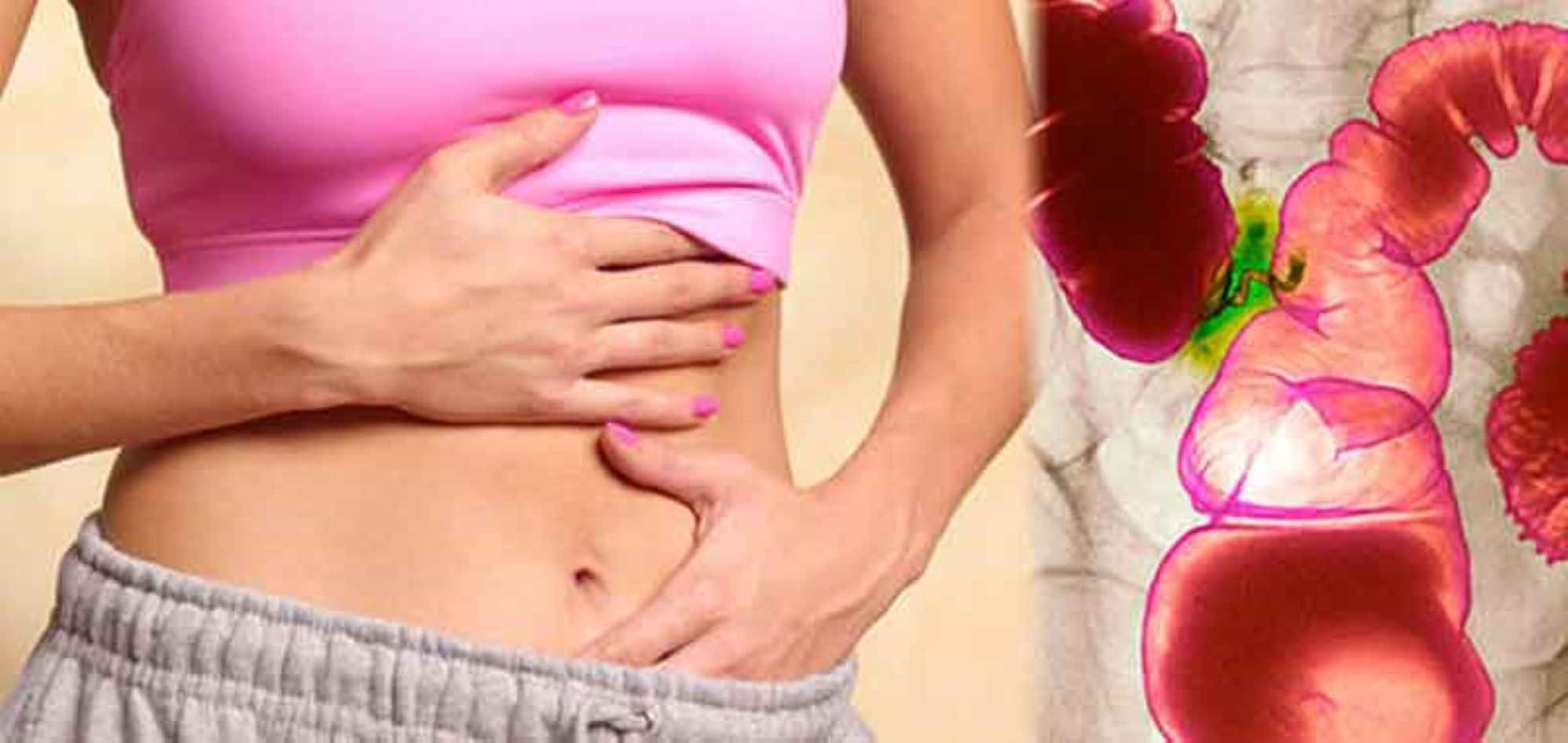

Introduction:
In the quest for improved digestive health, many individuals seek quick and effective methods to enhance their bowel movements. Among the various techniques that have emerged, the so-called "7 second poop trick" has gained attention for its promise of rapid relief. This article delves into the nuances of this method, examining its scientific basis, physiological mechanisms, practical implementation, potential benefits and risks, and expert opinions from gastroenterologists.
Understanding the 7 Second Poop Trick: An Overview
The "7 second poop trick" refers to a technique purported to facilitate quicker bowel movements by employing specific body positioning and relaxation techniques. Advocates claim that by following this method, individuals can significantly reduce the time spent on the toilet, ideally achieving a bowel movement within seven seconds. This approach has gained traction, particularly among those who experience constipation or irregularity, leading to discussions about its efficacy and safety.
While the term may suggest a simple, almost gimmicky solution, the underlying principles are rooted in a combination of anatomy and physiology. The technique emphasizes the importance of posture and relaxation, which can influence the ease of defecation. By understanding the mechanics of the body involved in bowel movements, one can appreciate why some individuals find this method beneficial.
The appeal of the 7 second trick lies in its simplicity and the promise of immediate results. For many, the thought of alleviating discomfort and achieving a sense of relief in such a short time frame is enticing. However, it is essential to approach this method with a critical mindset, considering both its potential advantages and the scientific evidence supporting its claims.
As the popularity of this technique grows, it is crucial to explore the scientific principles that underpin it. By examining the physiological aspects of bowel movements, we can better understand how this method may work and whether it is a viable option for those seeking relief from digestive discomfort.
The Science Behind Rapid Bowel Movements Explained
To comprehend the effectiveness of the 7 second poop trick, one must first consider the physiological processes involved in bowel movements. The act of defecation is a complex interplay of muscular contractions, nerve signals, and hormonal responses that work together to expel waste from the body. When these processes function optimally, bowel movements occur smoothly and efficiently.
One key factor influencing bowel movements is the position of the body during defecation. Research indicates that squatting or adopting a forward-leaning posture can facilitate easier passage of stool. This is because such positions align the rectum and anus in a way that reduces resistance and promotes a more natural elimination process. The 7 second trick often incorporates elements of this positioning, suggesting that the right posture can lead to quicker results.
Additionally, the role of relaxation cannot be overstated. Stress and anxiety can significantly hinder the body’s ability to perform essential functions, including digestion. The 7 second method encourages individuals to relax their pelvic floor muscles, which can enhance the efficiency of bowel movements. By calming the mind and body, one may find it easier to achieve a successful defecation in a shorter time frame.
Understanding these scientific principles provides a foundation for evaluating the claims surrounding the 7 second poop trick. While anecdotal evidence may suggest its effectiveness, a deeper exploration of the physiological mechanisms involved reveals a more complex picture that warrants further investigation.
Physiological Mechanisms: How It Works in the Body
The physiological mechanisms behind the 7 second poop trick involve several interconnected processes that facilitate bowel movements. Central to this is the role of the autonomic nervous system, which regulates involuntary bodily functions, including digestion. The parasympathetic branch of this system is particularly important during defecation, as it promotes relaxation and encourages peristalsis—the rhythmic contractions of the intestines that propel stool toward the rectum.
When an individual adopts the recommended posture, such as squatting or leaning forward, the angle of the rectum changes, allowing for a more direct path for stool to exit the body. This change in alignment can reduce the effort required to push out stool, potentially leading to faster bowel movements. The 7 second trick emphasizes this alignment, suggesting that proper positioning is crucial for achieving the desired results.
Moreover, the technique often involves deep breathing exercises, which can further enhance relaxation and promote effective bowel movements. By taking slow, deep breaths, individuals can activate the diaphragm and abdominal muscles, which may assist in the expulsion of stool. This holistic approach—combining posture, relaxation, and breathing—aims to create an optimal environment for rapid bowel movements.
In summary, the physiological mechanisms at play in the 7 second poop trick highlight the importance of body positioning, relaxation, and the autonomic nervous system’s role in digestion. Understanding these mechanisms can help individuals appreciate how such techniques may lead to quicker and more efficient bowel movements.
Practical Steps to Implement the 7 Second Technique
Implementing the 7 second poop trick requires a few straightforward steps that can be easily integrated into one’s bathroom routine. First and foremost, it is essential to find a comfortable and supportive position. Many proponents suggest using a footstool to elevate the feet while sitting on the toilet, mimicking a squatting posture. This adjustment can help align the rectum and anus, facilitating easier stool passage.
Next, individuals should focus on relaxation techniques. This can involve taking a moment to breathe deeply and clear the mind before attempting to defecate. Engaging in mindful breathing—taking slow, deep breaths in and out—can help calm the nervous system and reduce tension in the pelvic area, promoting a more efficient bowel movement.
Once in the appropriate position and mindset, the individual can then proceed to attempt a bowel movement. The goal is to remain relaxed and avoid straining, as excessive pressure can lead to complications such as hemorrhoids. Instead, the focus should be on allowing the body to do its work naturally, potentially resulting in a quicker process.
Lastly, it is important to listen to one’s body. If the 7 second technique does not yield results, individuals should not become frustrated or anxious. Instead, they can take a break and try again later, as stress can counteract the benefits of this method. By incorporating these practical steps, individuals may find themselves experiencing quicker and more comfortable bowel movements.
Potential Benefits and Risks of the 7 Second Method
The potential benefits of the 7 second poop trick extend beyond merely reducing the time spent on the toilet. For many individuals, this technique may alleviate discomfort associated with constipation and promote regularity in bowel movements. By encouraging proper positioning and relaxation, the method may help individuals achieve a more satisfying and efficient elimination process.
Additionally, the psychological aspect of this technique should not be overlooked. The confidence gained from knowing that a quick bowel movement is possible can reduce anxiety and stress related to using the restroom. This newfound assurance may lead to a more positive relationship with one’s digestive health and overall well-being.
However, it is essential to consider the potential risks associated with this method. For instance, individuals with underlying gastrointestinal conditions or those who experience chronic constipation should consult a healthcare professional before attempting new techniques. Straining during bowel movements, even with the 7 second method, can lead to complications such as hemorrhoids or anal fissures.
Moreover, while the technique may work for some, it is not a one-size-fits-all solution. Individual anatomy, diet, hydration levels, and overall health can significantly influence bowel movements. Therefore, it is crucial for individuals to approach this method with realistic expectations and to prioritize their health and comfort above all else.
Expert Opinions: What Gastroenterologists Recommend
Gastroenterologists generally emphasize the importance of a holistic approach to digestive health. While the 7 second poop trick may offer benefits for some individuals, experts recommend focusing on foundational elements such as diet, hydration, and regular physical activity. A high-fiber diet, for example, can significantly improve bowel regularity and overall digestive function.
Many gastroenterologists also stress the importance of listening to one’s body. If a bowel movement does not occur quickly, it is advisable to avoid straining and to allow the body to naturally process waste. Rushing the process can lead to discomfort and potential complications, which can undermine the benefits of any technique.
Furthermore, experts often highlight the significance of establishing a consistent bathroom routine. By allowing the body to adapt to regular times for bowel movements, individuals may find it easier to achieve timely and efficient elimination. This routine can complement the 7 second technique, enhancing its effectiveness.
In summary, while the 7 second poop trick may be a helpful tool for some, gastroenterologists advocate for a comprehensive approach to digestive health. By prioritizing diet, hydration, and mindful practices, individuals can support their digestive systems and potentially enhance their overall well-being.
Conclusions:
The 7 second poop trick presents an intriguing approach to improving bowel movements through specific techniques and body positioning. While there is scientific merit to some of the principles behind this method, it is essential to approach it with caution and an understanding of individual health needs. Ultimately, a well-rounded approach to digestive health, supported by expert recommendations, is likely to yield the best results for those seeking relief from digestive discomfort.
Read more
- American Gastroenterological Association: Bowel Health – A comprehensive resource on digestive health and bowel function.
- Mayo Clinic: Constipation – An overview of constipation, its causes, and treatment options.
- Cleveland Clinic: Healthy Bowel Movements – Expert advice on maintaining healthy bowel habits.
- Harvard Health: The Importance of Fiber – An article discussing the role of dietary fiber in digestive health.
- WebMD: Understanding Bowel Movements – A detailed guide to bowel movements and what is considered normal.