

Introduction:
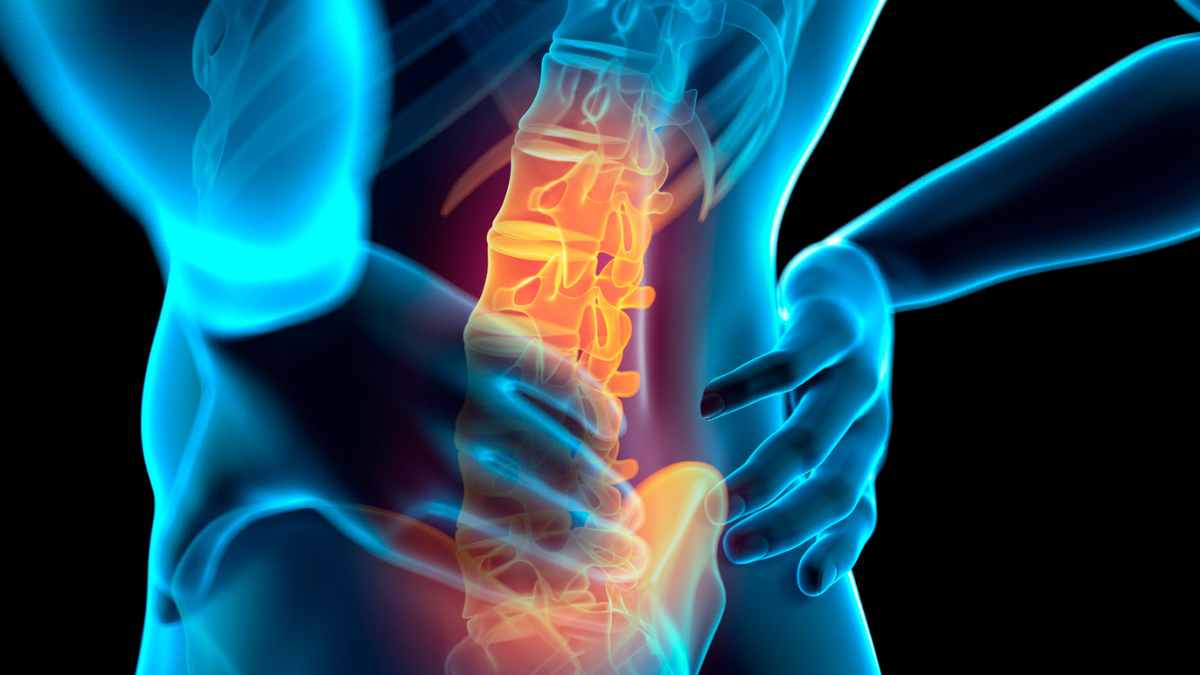
Lower back pain is a prevalent issue that affects millions of individuals worldwide. Understanding whether this discomfort stems from muscular or skeletal origins is crucial for effective treatment and management. Muscular pain often results from strains or overuse, while skeletal pain may arise from structural problems such as herniated discs or arthritis. This article aims to elucidate the distinctions between muscular and skeletal lower back pain, providing insights into symptoms, diagnostic techniques, and treatment approaches.
Understanding the Anatomy of Lower Back Pain: Muscular vs. Skeletal
The lower back, or lumbar region, consists of various structures, including muscles, ligaments, discs, and vertebrae. Muscular pain typically involves the soft tissues surrounding the spine. Strains, sprains, or muscle spasms can occur due to overexertion, poor posture, or sudden movements. These injuries often lead to localized pain that may worsen with movement or specific activities.
In contrast, skeletal pain originates from the bony structures of the spine, including the vertebrae and intervertebral discs. Conditions such as degenerative disc disease, herniated discs, or spinal stenosis can cause significant discomfort. Skeletal pain is often more persistent and may radiate down the legs, indicating nerve involvement. Understanding these anatomical differences is essential for identifying the source of pain.
Additionally, the nervous system plays a critical role in how pain is perceived. Muscular pain is usually associated with muscle tension and inflammation, while skeletal pain may involve nerve compression or irritation. This distinction can help individuals better articulate their symptoms to healthcare providers, facilitating a more accurate diagnosis.
Finally, recognizing the interconnectedness of these systems is vital. Muscular issues can lead to compensatory skeletal problems, and vice versa. This complexity underscores the importance of a comprehensive approach to lower back pain assessment and treatment.
Common Symptoms: Differentiating Muscular and Skeletal Pain
Symptoms of lower back pain can vary significantly depending on the underlying cause. Muscular pain is often characterized by localized tenderness, stiffness, and a dull ache. Individuals may experience difficulty in bending or lifting, and the pain may improve with rest or gentle stretching. Muscle spasms may also occur, leading to sudden, sharp pain that can be debilitating.
On the other hand, skeletal pain often presents as a more intense, persistent ache that may radiate down the legs, a phenomenon known as sciatica. This type of pain can be exacerbated by prolonged sitting or standing, and individuals may experience numbness or tingling in the extremities. Skeletal pain may also be associated with specific movements, such as twisting or bending backward.
Furthermore, the timing and duration of the pain can provide clues to its origin. Muscular pain is typically acute and may resolve within a few days to weeks with appropriate care. In contrast, skeletal pain may be chronic, lasting for months or even years, indicating a more serious underlying condition.
Lastly, the response to treatment can also help differentiate between muscular and skeletal pain. Muscular pain often responds well to conservative measures such as rest, ice, and physical therapy, while skeletal pain may require more intensive interventions, including medication or even surgical options.
Diagnostic Techniques: Imaging and Physical Assessments
Accurate diagnosis of lower back pain necessitates a combination of imaging techniques and physical assessments. Common imaging modalities include X-rays, MRI, and CT scans, each providing unique insights into the condition of the spine. X-rays can reveal structural abnormalities, such as fractures or misalignments, while MRI is particularly effective in visualizing soft tissues, including muscles and discs.
Physical assessments are equally important in diagnosing the source of pain. Healthcare providers often perform a thorough physical examination, assessing range of motion, strength, and reflexes. Specific tests, such as the straight leg raise test, can help determine if nerve compression is present, indicating a skeletal issue.
Additionally, palpation of the lower back can help identify areas of tenderness or muscle tightness, providing further clues to the nature of the pain. A comprehensive assessment may also include evaluating posture and gait, as these factors can influence both muscular and skeletal health.
Finally, advanced diagnostic techniques, such as electromyography (EMG) and nerve conduction studies, may be employed if nerve damage is suspected. These tests can provide valuable information about the function of the nerves and muscles, aiding in the differentiation between muscular and skeletal pain.
The Role of Medical History in Pain Assessment
A detailed medical history is crucial in understanding the context of lower back pain. Healthcare providers often inquire about the onset, duration, and nature of the pain, as well as any previous injuries or medical conditions. This information can help identify patterns that may suggest a muscular or skeletal origin.
For instance, a history of recent physical activity or heavy lifting may indicate a muscular strain, while a history of degenerative conditions such as arthritis may point to skeletal issues. Additionally, understanding the patient’s lifestyle and ergonomic practices can provide insights into potential contributing factors.
Family history is another important aspect to consider. Conditions such as osteoporosis or scoliosis can have genetic components, increasing the likelihood of skeletal-related pain. By gathering comprehensive medical history, healthcare providers can form a more complete picture of the patient’s condition.
Moreover, psychosocial factors should not be overlooked. Stress, anxiety, and depression can exacerbate pain perception and influence treatment outcomes. A holistic approach that considers both physical and emotional well-being is essential for effective pain management.
Treatment Approaches: Addressing Muscular and Skeletal Issues
Treatment for lower back pain varies depending on whether the pain is muscular or skeletal. For muscular pain, conservative measures are often the first line of defense. These may include rest, ice application, and over-the-counter pain relievers. Physical therapy can also play a significant role, focusing on strengthening exercises and stretching to alleviate tension and promote healing.
In cases where muscular pain persists, alternative therapies such as acupuncture or chiropractic care may be beneficial. These approaches can help relieve muscle tension and improve overall function. Additionally, lifestyle modifications, including ergonomic adjustments and regular exercise, can prevent future injuries.
Conversely, skeletal pain may require a more comprehensive treatment plan. If conservative measures fail, healthcare providers may recommend prescription medications, including anti-inflammatories or muscle relaxants. In some cases, corticosteroid injections may be utilized to reduce inflammation and alleviate pain.
For chronic or severe skeletal issues, surgical interventions may be necessary. Procedures such as discectomy or spinal fusion can address structural problems and provide long-term relief. It is essential for patients to discuss the potential risks and benefits of surgery with their healthcare provider.
Ultimately, a multidisciplinary approach that combines various treatment modalities may yield the best outcomes for individuals suffering from lower back pain, regardless of its origin.
When to Seek Professional Help for Back Pain Evaluation
While many cases of lower back pain can be managed at home, there are specific situations where seeking professional help is crucial. If the pain is severe, persistent, or accompanied by other concerning symptoms such as fever, unexplained weight loss, or bowel/bladder dysfunction, immediate medical attention is warranted. These signs may indicate a more serious underlying condition that requires prompt evaluation.
Additionally, if the pain radiates down the legs or is associated with numbness and tingling, it is essential to consult a healthcare provider. These symptoms may suggest nerve involvement, necessitating further investigation and potential intervention. Early diagnosis and treatment can prevent complications and improve outcomes.
Furthermore, individuals with a history of cancer, osteoporosis, or recent trauma should seek professional evaluation for any new or worsening back pain. These factors can increase the risk of serious conditions such as fractures or malignancies.
Lastly, if self-management strategies, including rest and over-the-counter medications, do not provide relief within a few weeks, it is advisable to consult a healthcare provider. A thorough assessment can help identify the underlying cause of the pain and guide appropriate treatment.
Conclusions:
Understanding the differences between muscular and skeletal lower back pain is essential for effective diagnosis and treatment. By recognizing symptoms, utilizing diagnostic techniques, and considering medical history, individuals can better navigate their pain management journey. Seeking professional help when necessary ensures that underlying issues are addressed promptly, leading to improved quality of life.
Read more
- Mayo Clinic – Low Back Pain: Comprehensive overview of lower back pain, including causes and treatment options.
- American Academy of Orthopaedic Surgeons – Back Pain: Detailed information on back pain, its diagnosis, and treatment.
- Cleveland Clinic – Back Pain: Insights into the causes, symptoms, and management of back pain.
- National Institute of Neurological Disorders and Stroke – Low Back Pain Fact Sheet: An informative fact sheet about low back pain and its implications.
- WebMD – Back Pain Overview: A user-friendly guide to understanding back pain, including treatment options and when to seek help.


