

Introduction:
Lower back pain is a prevalent issue that affects millions of individuals worldwide. It can arise from various underlying conditions, and understanding these indicators is crucial for effective diagnosis and treatment. This article delves into the anatomy of lower back pain indicators, common causes, the role of musculoskeletal and neurological disorders, psychological factors, and when to seek professional help.
Understanding the Anatomy of Lower Back Pain Indicators
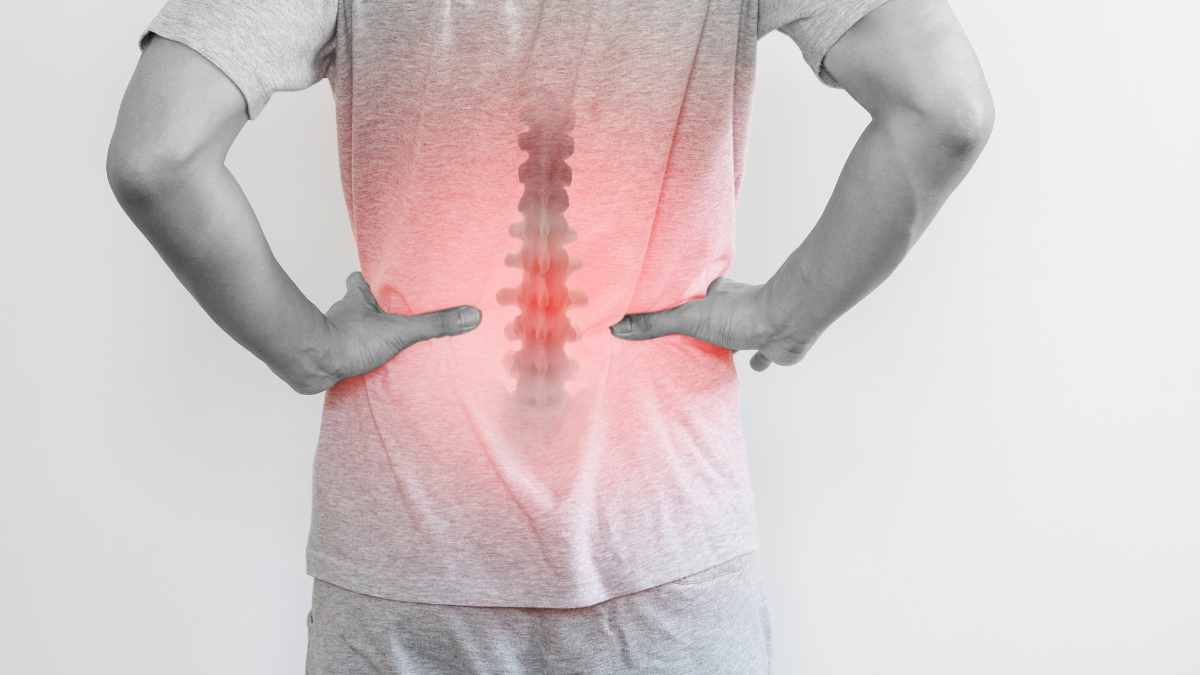
The lower back, or lumbar region, consists of five vertebrae (L1-L5) that provide structural support and flexibility. Surrounding these vertebrae are muscles, ligaments, and nerves that play critical roles in mobility and sensation. Understanding the anatomy is vital because pain in this area can stem from various structures, including muscles, discs, and nerves. Each of these components can signal different underlying issues.
In addition to the physical structures, the lumbar region is influenced by the sacrum and coccyx, which form the base of the spine. The interplay between these components can lead to a range of symptoms, from localized pain to radiating discomfort in the legs. This complexity makes it essential to pinpoint the exact source of pain for effective treatment.
The nervous system also plays a significant role in how pain is perceived. Nerve endings in the lower back can become irritated due to injury or inflammation, leading to sensations of pain. Understanding this neural aspect helps in recognizing that lower back pain may not only be a physical issue but also a signal from the body indicating deeper problems.
Finally, the body’s response to pain can vary widely among individuals. Factors such as genetics, overall health, and previous injuries can influence how one experiences and reacts to lower back pain. This variability underscores the importance of a comprehensive approach to diagnosis and treatment.
Common Causes of Lower Back Pain and Their Implications
One of the most common causes of lower back pain is muscle strain, often resulting from heavy lifting or sudden awkward movements. Muscle strains can lead to inflammation and discomfort, signaling the body to rest and recover. While often temporary, repeated strains can lead to chronic pain and decreased mobility.
Another prevalent cause is herniated discs, where the soft material inside a spinal disc bulges out and compresses nearby nerves. This condition can lead to significant pain and may require medical intervention, including physical therapy or surgery, depending on severity. Understanding the implications of a herniated disc is crucial for long-term management.
Degenerative disc disease is also a common issue, particularly in older adults. As discs lose hydration and elasticity over time, they can lead to chronic pain and instability in the spine. This degenerative process can significantly impact quality of life, making it essential to adopt preventive measures and treatments.
Finally, conditions such as arthritis can contribute to lower back pain. Osteoarthritis, for instance, can cause joint inflammation and stiffness, leading to discomfort in the lumbar region. Recognizing arthritis as a potential cause allows for targeted treatments that can alleviate symptoms and improve function.
The Role of Musculoskeletal Disorders in Back Pain
Musculoskeletal disorders encompass a range of conditions that affect the muscles, bones, and joints. Lower back pain can often be traced back to these disorders, which may include conditions like scoliosis and spinal stenosis. Scoliosis, characterized by an abnormal curvature of the spine, can lead to uneven pressure on the lower back, resulting in pain and discomfort.
Spinal stenosis, on the other hand, involves the narrowing of the spinal canal, which can compress nerves and lead to pain. This condition often manifests as pain that radiates down the legs, making it essential to address both the symptoms and the underlying cause. Effective management may include physical therapy, medication, or in severe cases, surgical intervention.
Muscle imbalances are another critical aspect of musculoskeletal disorders that can lead to lower back pain. Weakness or tightness in specific muscle groups can alter posture and biomechanics, placing undue stress on the lumbar region. Identifying these imbalances through physical assessment can guide targeted rehabilitation strategies.
Finally, maintaining a healthy lifestyle is crucial in preventing musculoskeletal disorders. Regular exercise, proper nutrition, and ergonomic practices can significantly reduce the risk of developing conditions that lead to lower back pain. Proactive measures are essential for long-term spinal health and pain management.
Neurological Conditions Linked to Lower Back Pain Symptoms
Neurological conditions can significantly influence lower back pain, often complicating diagnosis and treatment. Conditions such as sciatica arise when the sciatic nerve is compressed or irritated, leading to pain that radiates from the lower back down the legs. Understanding sciatica is vital for effective management, as it often requires a multifaceted approach, including physical therapy and pain management strategies.
Another neurological condition to consider is cauda equina syndrome, a rare but serious condition where nerve roots in the lower back are compressed. This condition can lead to severe symptoms, including loss of bladder and bowel control, necessitating immediate medical attention. Recognizing the signs of cauda equina syndrome is crucial for timely intervention.
Peripheral neuropathy, often resulting from diabetes, can also contribute to lower back pain. This condition affects nerve function, leading to pain, tingling, or numbness in the lower extremities. Addressing the underlying causes of peripheral neuropathy is essential for alleviating related back pain.
Lastly, conditions such as multiple sclerosis can lead to lower back pain due to muscle spasms and weakness. Understanding the neurological implications of such conditions can help healthcare providers tailor treatment plans that address both the neurological and musculoskeletal components of pain.
Psychological Factors Contributing to Lower Back Pain
Psychological factors play a significant role in the perception and experience of lower back pain. Stress and anxiety can exacerbate pain symptoms, leading to a cycle of discomfort and emotional distress. Understanding this connection is crucial for comprehensive pain management, as addressing psychological well-being can lead to improved physical outcomes.
Chronic pain can also lead to psychological issues such as depression. Individuals experiencing persistent lower back pain may find their daily activities limited, leading to feelings of hopelessness and despair. Recognizing the interplay between pain and mental health is essential for developing holistic treatment plans.
Cognitive-behavioral therapy (CBT) has emerged as an effective approach for managing chronic pain. CBT focuses on changing negative thought patterns and behaviors associated with pain, helping individuals develop coping strategies. Integrating psychological therapies into pain management can enhance overall treatment efficacy.
Finally, the role of social support cannot be overlooked. Having a strong support system can significantly impact an individual’s ability to cope with pain. Encouraging open communication and fostering supportive relationships can lead to better psychological outcomes and, consequently, improved management of lower back pain.
When to Seek Professional Evaluation for Back Pain
Recognizing when to seek professional help for lower back pain is crucial for effective management. If pain persists for more than a few weeks or worsens over time, it is essential to consult a healthcare provider. Persistent pain can indicate underlying issues that require medical evaluation and intervention.
Additionally, if lower back pain is accompanied by other symptoms such as fever, unexplained weight loss, or bowel and bladder dysfunction, immediate medical attention is warranted. These symptoms can signal serious conditions that require prompt diagnosis and treatment.
Individuals experiencing significant mobility issues or pain that radiates down the legs should also seek professional evaluation. These symptoms may indicate nerve involvement, which necessitates further investigation and potential intervention.
Lastly, if lower back pain is affecting daily activities or quality of life, it is essential to consult a healthcare provider. Early intervention can prevent chronic pain development and improve overall well-being.
Conclusions:
Lower back pain serves as an important indicator of various underlying conditions, ranging from musculoskeletal disorders to psychological factors. Understanding these indicators is essential for effective diagnosis and treatment. By recognizing the complexities of lower back pain, individuals can seek appropriate care and improve their quality of life.
Read more
- Mayo Clinic – Low Back Pain: A comprehensive overview of low back pain, its causes, and treatment options.
- National Institute of Neurological Disorders and Stroke – Sciatica: Detailed information on sciatica, its symptoms, and management strategies.
- American Academy of Orthopaedic Surgeons – Low Back Pain: An informative resource on low back pain, including treatment and prevention tips.
- Cleveland Clinic – Back Pain: An overview of back pain, its causes, and when to seek medical advice.
- Harvard Health Publishing – The Psychological Impact of Chronic Pain: An exploration of the psychological factors influencing chronic pain, including lower back pain.


