

Se hai un abbonamento attivo ACCEDI QUI
Introduction:
High blood pressure, or hypertension, is a prevalent health issue affecting millions of individuals worldwide. While it is often associated with severe complications such as heart disease and stroke, its effects can extend beyond the cardiovascular system. One area of concern that has gained attention is the potential correlation between high blood pressure and skin conditions, particularly rashes. This article explores the intricate relationship between hypertension and skin manifestations, delving into the mechanisms involved, types of rashes, diagnostic approaches, and treatment options.
Understanding High Blood Pressure and Its Health Impacts
High blood pressure is defined as a chronic condition where the force of the blood against the walls of the arteries is consistently too high. This condition can lead to significant health complications, including damage to the heart, kidneys, and other vital organs. The World Health Organization estimates that nearly 1.28 billion adults aged 30-79 years have hypertension, highlighting its global prevalence.
The health impacts of hypertension are multifaceted. It can lead to atherosclerosis, where arteries become narrowed and hardened, increasing the risk of heart attacks and strokes. Additionally, hypertension can cause kidney damage, resulting in chronic kidney disease. These systemic effects underscore the importance of managing blood pressure effectively to mitigate long-term health risks.
Moreover, the psychological impacts of hypertension cannot be overlooked. Individuals diagnosed with high blood pressure may experience anxiety and stress, particularly regarding their health outcomes. This emotional burden can further exacerbate physical health issues, creating a vicious cycle that complicates management strategies.
In summary, high blood pressure is a significant health concern with far-reaching consequences. Understanding its impacts on various body systems, including the skin, is crucial for comprehensive patient care and effective treatment strategies.
The Connection Between Hypertension and Skin Conditions
The relationship between hypertension and skin conditions is complex and not entirely understood. However, research indicates that individuals with high blood pressure may be more susceptible to certain skin issues. This connection may arise from several factors, including the effects of medications used to treat hypertension and the physiological changes associated with the condition itself.
Medications for hypertension, such as diuretics and beta-blockers, can have side effects that manifest as skin reactions. For instance, diuretics may lead to dehydration, causing dry skin and potential rashes. Beta-blockers, on the other hand, can sometimes trigger allergic reactions or exacerbate existing skin conditions like psoriasis or eczema.
Furthermore, the physiological changes associated with hypertension, such as increased blood flow and pressure in the capillaries, may lead to skin changes. This heightened vascular activity can result in flushing, redness, or the development of rashes, particularly in individuals with pre-existing skin sensitivities.
In conclusion, while the connection between high blood pressure and skin conditions is still being explored, there is evidence to suggest that hypertension can contribute to the development of various skin issues. Understanding this relationship is essential for effective management and treatment of affected individuals.
Mechanisms Linking High Blood Pressure to Rashes
Several mechanisms may explain how high blood pressure can lead to skin rashes. One primary factor is the alteration in blood flow dynamics. In individuals with hypertension, the increased pressure can cause capillary damage, leading to localized inflammation and skin irritation. This inflammation can manifest as a rash, particularly in areas of the body where blood flow is more pronounced.
Additionally, the role of the immune system cannot be overlooked. Hypertension can lead to systemic inflammation, which may trigger immune responses that result in skin reactions. Conditions such as dermatitis and urticaria (hives) may be exacerbated by the inflammatory state associated with high blood pressure.
Another important mechanism involves the skin’s barrier function. High blood pressure can compromise the skin’s ability to retain moisture, making it more susceptible to irritants and allergens. This impaired barrier function can lead to conditions like eczema, where the skin becomes inflamed and rash-prone.
Lastly, the psychological stress associated with managing hypertension can also contribute to skin issues. Stress can exacerbate existing skin conditions and may lead to the development of stress-induced rashes. Understanding these mechanisms is crucial for healthcare providers in addressing skin concerns in hypertensive patients.
Common Types of Rashes Associated with Hypertension
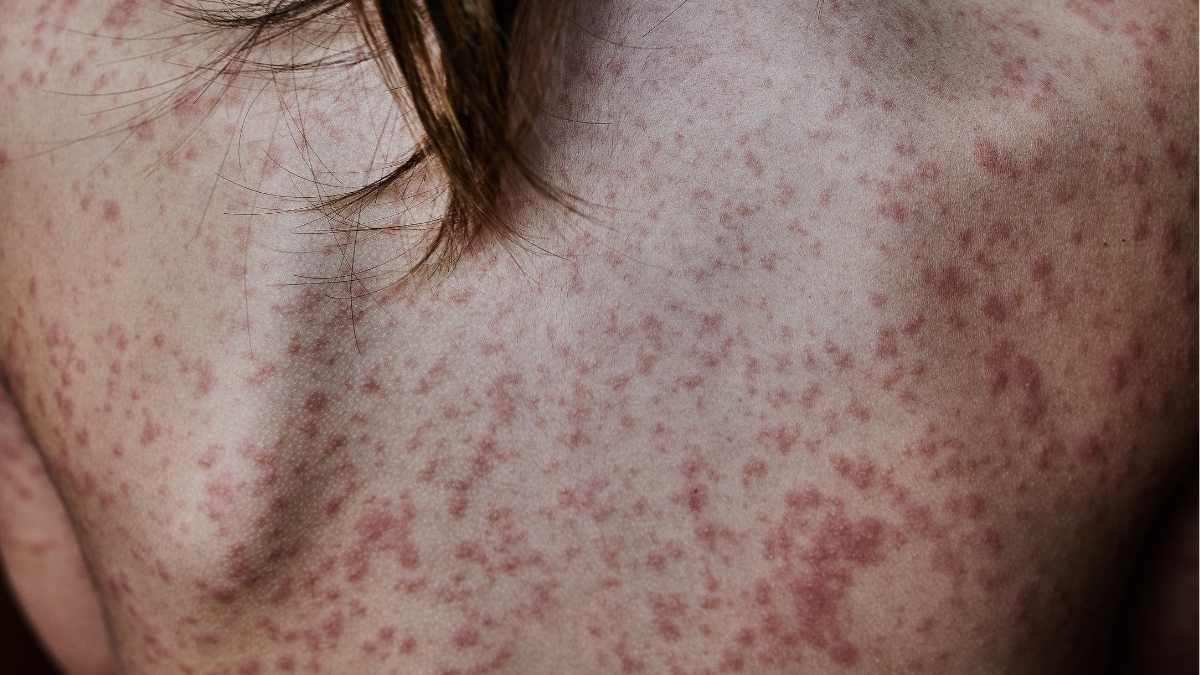
Several types of rashes have been reported in individuals with high blood pressure. One common type is urticaria, or hives, which can occur due to allergic reactions or stress. These raised, itchy welts can appear suddenly and may be exacerbated by the physiological stress of hypertension.
Seborrheic dermatitis is another skin condition that may be linked to hypertension. This chronic inflammatory skin disorder often affects areas rich in oil glands, such as the scalp and face. Stress and hormonal fluctuations associated with hypertension can worsen this condition, leading to red, flaky patches.
Psoriasis is also frequently observed in hypertensive patients. This autoimmune condition leads to the rapid growth of skin cells, resulting in thick, scaly patches. The inflammatory nature of both psoriasis and hypertension may create a cycle where one condition exacerbates the other.
Lastly, eczema is a common skin condition that can be aggravated by high blood pressure. Individuals with hypertension may experience increased dryness and irritation, leading to flare-ups of eczema. Recognizing these common rashes is essential for healthcare providers to offer appropriate treatment and management strategies.
Diagnostic Approaches for Rashes in Hypertensive Patients
Diagnosing rashes in individuals with high blood pressure requires a comprehensive approach. Healthcare providers typically begin with a thorough medical history, including a review of the patient’s hypertension management and any medications being taken. This information can help identify potential drug reactions or side effects contributing to the rash.
A physical examination is also crucial. Providers will assess the characteristics of the rash, including its location, appearance, and any associated symptoms. This examination can help differentiate between various skin conditions and determine whether the rash is related to hypertension or another underlying issue.
In some cases, additional diagnostic tests may be warranted. These can include allergy testing to identify potential triggers, skin biopsies to assess for specific dermatological conditions, or blood tests to evaluate for systemic inflammation. The results of these tests can guide treatment decisions and help manage the patient’s overall health.
Ultimately, a multidisciplinary approach may be beneficial, involving dermatologists, primary care providers, and specialists in hypertension management. This collaboration ensures that all aspects of the patient’s health are considered, leading to more effective treatment outcomes.
Treatment Options for Rashes Related to High Blood Pressure
Treatment for rashes associated with high blood pressure typically focuses on addressing both the skin condition and the underlying hypertension. For mild rashes, topical treatments such as corticosteroids or antihistamines may be prescribed to reduce inflammation and alleviate itching. These medications can provide quick relief for conditions like urticaria or eczema.
For more severe or persistent rashes, systemic treatments may be necessary. This could involve adjusting the patient’s hypertension medications if they are identified as the cause of the rash. In some cases, switching to alternative antihypertensive agents with a lower risk of skin reactions may be beneficial.
Additionally, lifestyle modifications play a crucial role in managing both hypertension and skin conditions. Patients are often advised to maintain a healthy diet, engage in regular physical activity, and manage stress effectively. These changes can improve overall health and potentially reduce the severity of skin issues.
Finally, ongoing monitoring and follow-up are essential to assess the effectiveness of treatment strategies. Regular check-ins with healthcare providers can help ensure that both hypertension and associated skin conditions are managed effectively, leading to improved quality of life for patients.
Conclusions:
The relationship between high blood pressure and skin rashes is complex and multifaceted. While hypertension primarily affects the cardiovascular system, its implications can extend to skin health, leading to various dermatological conditions. Understanding the mechanisms linking these two areas is crucial for effective diagnosis and treatment. Healthcare providers must take a holistic approach, considering both the physical and psychological aspects of hypertension management. By addressing skin issues alongside blood pressure control, patients can achieve better overall health outcomes.
Read more
- American Heart Association: High Blood Pressure – Comprehensive information on hypertension, its causes, and health impacts.
- National Institute of Health: Skin Conditions – An overview of various skin conditions, including their causes and treatments.
- Mayo Clinic: Hypertension and Skin Reactions – Detailed insights into the symptoms and management of hypertension.
- Cleveland Clinic: Understanding Eczema – Information on eczema, its triggers, and treatment options.
- WebMD: Psoriasis Overview – A guide to psoriasis, including its relationship with other health conditions.