

Se hai un abbonamento attivo ACCEDI QUI
Introduction:
Autoimmune diseases are a group of disorders where the immune system mistakenly attacks the body’s own tissues. One of the most perplexing aspects of these diseases is their diverse skin manifestations, which can sometimes resemble other conditions, such as shingles. Understanding the differences between these rashes is crucial for accurate diagnosis and treatment. This article explores the characteristics of autoimmune disease rashes, particularly in comparison to shingles, and provides insights into their clinical features, diagnostic approaches, and treatment options.
Understanding Autoimmune Diseases and Their Skin Manifestations
Autoimmune diseases encompass a wide range of conditions, including lupus, psoriasis, and rheumatoid arthritis, where the body’s immune system targets its own cells. These diseases can manifest in various ways, including joint pain, fatigue, and skin rashes. Skin manifestations are particularly significant, as they can be one of the first indicators of an underlying autoimmune condition. The rashes associated with autoimmune diseases often vary in appearance, distribution, and associated symptoms, making them a complex area of study.
The immune response in autoimmune diseases can lead to inflammation, resulting in various types of skin lesions. Common manifestations include erythematous plaques, vesicles, and urticarial lesions. Each autoimmune disease has its unique presentation, influenced by genetic, environmental, and immunological factors. For instance, systemic lupus erythematosus may present with a characteristic butterfly rash, while dermatomyositis can lead to heliotrope rashes on the eyelids.
Understanding the pathophysiology behind these rashes is essential for differentiation. In autoimmune diseases, the skin manifestations are often a result of systemic inflammation, whereas shingles is caused by the reactivation of the varicella-zoster virus. This distinction is critical, as it influences not only the diagnosis but also the management strategies employed.
Moreover, the psychological impact of autoimmune diseases cannot be overlooked. Patients often experience anxiety and distress related to their skin appearance, which can affect their quality of life. Recognizing these aspects is vital for a comprehensive approach to treatment and care.
Identifying Rashes: Autoimmune Diseases vs. Shingles
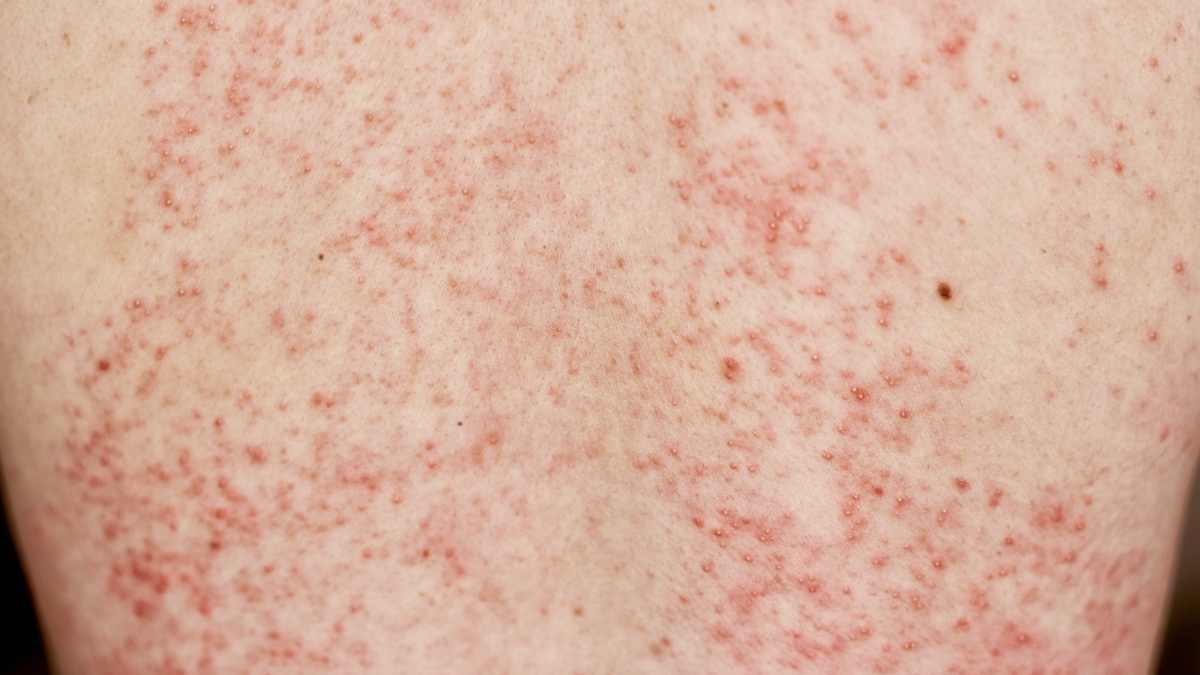
Differentiating between rashes caused by autoimmune diseases and those caused by shingles can be challenging. Autoimmune rashes often present symmetrically and can be widespread, while shingles typically appears in a dermatomal distribution, affecting only one side of the body. This unilateral presentation is a hallmark of shingles and is due to the reactivation of the virus in a specific nerve root.
The appearance of the rash also varies significantly between the two conditions. Autoimmune rashes may be scaly, red, or have a papulosquamous appearance, while shingles usually starts as small red spots that develop into fluid-filled blisters. These blisters eventually crust over, forming scabs. The timeline of rash development is another distinguishing factor; shingles rashes can progress rapidly over a few days, while autoimmune rashes may develop more slowly and persist for a longer duration.
In addition to visual differences, associated symptoms can provide clues for differentiation. Shingles is often accompanied by severe pain, itching, and a burning sensation in the affected area, which can precede the rash by several days. In contrast, autoimmune diseases may present with systemic symptoms such as fatigue, fever, and joint pain, alongside the skin manifestations.
Understanding these differences is crucial for healthcare providers. A thorough patient history, including any recent infections, vaccinations, or autoimmune disease diagnoses, can aid in distinguishing between these conditions. Recognizing the unique features of each rash can lead to more effective treatment strategies and improved patient outcomes.
Clinical Features of Shingles: A Detailed Overview
Shingles, or herpes zoster, is a viral infection characterized by a painful rash. It occurs due to the reactivation of the varicella-zoster virus, which remains dormant in the body after a person has chickenpox. The clinical features of shingles typically begin with a prodromal phase, where patients experience localized pain, itching, or tingling in the area where the rash will develop. This phase can last from 1 to 5 days before the rash appears.
Once the rash begins, it usually starts as small red spots that rapidly progress to fluid-filled blisters. These blisters are often grouped in clusters and follow a dermatomal pattern, meaning they appear along the path of a specific nerve. The rash typically resolves within 2 to 4 weeks, but the pain can persist long after the lesions have healed, a condition known as postherpetic neuralgia.
In addition to the rash, shingles can cause systemic symptoms such as fever, headache, and malaise. The pain associated with shingles can be severe and debilitating, often described as burning or throbbing. The intensity of the pain can vary among individuals, but it is a defining characteristic of the condition and can significantly impact daily functioning.
Diagnosis of shingles is primarily clinical, based on the characteristic appearance of the rash and associated symptoms. In some cases, laboratory tests such as PCR or direct fluorescent antibody testing can be employed to confirm the diagnosis, particularly in atypical cases. Early diagnosis and treatment are crucial to reduce the risk of complications, including postherpetic neuralgia.
Common Autoimmune Rashes: Characteristics and Symptoms
Several autoimmune diseases are associated with distinct skin rashes. For instance, lupus erythematosus can present with a butterfly rash across the cheeks and nose, characterized by redness and scaling. This rash is often exacerbated by sun exposure and may be accompanied by systemic symptoms such as joint pain and fatigue. Another common autoimmune condition, psoriasis, presents with thick, silvery scales on red plaques that can appear on various body parts, including the elbows, knees, and scalp.
Dermatomyositis is another autoimmune disease with notable skin manifestations. It typically features heliotrope rashes, which are purplish lesions on the eyelids, and Gottron’s papules, which are raised lesions on the knuckles. These rashes are often associated with muscle weakness and may precede the diagnosis of the underlying autoimmune condition.
In contrast, conditions like scleroderma can lead to skin thickening and tightening, often affecting the fingers and face. The appearance of sclerodactyly, where fingers become tapered and shiny, is a hallmark of this condition. Patients may also experience Raynaud’s phenomenon, where blood flow to the extremities is reduced in response to cold or stress.
Understanding the characteristics and symptoms of these autoimmune rashes is essential for healthcare providers. A comprehensive evaluation of the patient’s medical history, clinical presentation, and any associated symptoms can aid in establishing an accurate diagnosis and guiding appropriate treatment.
Diagnostic Approaches: Distinguishing Between Rashes
Accurate diagnosis of skin rashes requires a multifaceted approach. Initially, a thorough patient history is essential, including details about the onset, duration, and progression of the rash, as well as any associated symptoms. Healthcare providers often inquire about recent infections, vaccinations, and any personal or family history of autoimmune diseases. This information can provide valuable context for the clinician.
Physical examination plays a critical role in differentiating between autoimmune rashes and shingles. Visual inspection of the rash, along with an assessment of its distribution and characteristics, can help narrow down the differential diagnosis. For instance, the presence of vesicles in a dermatomal pattern strongly suggests shingles, while symmetric rashes may indicate an autoimmune etiology.
In some cases, laboratory tests may be necessary to confirm the diagnosis. Skin biopsies can be performed to evaluate the histological features of the rash, while serological tests can help identify specific autoimmune markers. For example, the presence of antinuclear antibodies (ANA) may indicate an autoimmune disease such as lupus or scleroderma.
Ultimately, a multidisciplinary approach may be required for complex cases. Collaboration between dermatologists, rheumatologists, and infectious disease specialists can enhance diagnostic accuracy and ensure comprehensive patient care. Timely and accurate diagnosis is crucial, as it directly impacts treatment decisions and patient outcomes.
Treatment Options for Autoimmune Rashes and Shingles
Treatment strategies for autoimmune rashes and shingles differ significantly due to their distinct underlying causes. For autoimmune diseases, management often involves immunosuppressive therapies aimed at reducing the inappropriate immune response. Common treatments include corticosteroids, disease-modifying antirheumatic drugs (DMARDs), and biologics, depending on the specific condition and severity of symptoms.
In contrast, shingles treatment primarily focuses on alleviating symptoms and reducing the duration of the outbreak. Antiviral medications, such as acyclovir, valacyclovir, or famciclovir, are commonly prescribed to help speed up recovery and reduce the risk of complications. Pain management is also a critical component of shingles treatment, often requiring analgesics or nerve blocks for severe pain.
For patients with autoimmune rashes, adjunctive therapies such as topical corticosteroids or phototherapy may be beneficial in managing localized symptoms. Lifestyle modifications, including sun protection and stress management, can also play a role in minimizing flare-ups and improving overall skin health.
In both cases, patient education is vital. Empowering patients with knowledge about their condition, treatment options, and self-care strategies can enhance adherence to therapy and improve quality of life. Regular follow-up appointments are essential to monitor treatment efficacy and adjust management plans as needed.
Conclusions:
Differentiating between autoimmune disease rashes and shingles is crucial for accurate diagnosis and effective treatment. Understanding the unique characteristics of each condition, along with their clinical features and associated symptoms, can guide healthcare providers in making informed decisions. A comprehensive diagnostic approach, coupled with appropriate treatment strategies, is essential for improving patient outcomes and quality of life.
Read more
- American Autoimmune Related Diseases Association (AARDA) – A comprehensive resource for understanding autoimmune diseases, their symptoms, and treatment options.
- Centers for Disease Control and Prevention (CDC) – Shingles – Detailed information on shingles, including symptoms, treatment, and prevention strategies.
- National Institute of Arthritis and Musculoskeletal and Skin Diseases (NIAMS) – A reliable source for information on autoimmune diseases, including research and treatment updates.
- Mayo Clinic – Autoimmune Diseases – An overview of various autoimmune diseases, their symptoms, and management options.
- DermNet NZ – Shingles – A detailed guide on shingles, including clinical features, diagnosis, and treatment options.