

Se hai un abbonamento attivo ACCEDI QUI
Introduction:
Reducing carbohydrates in your meals can be a crucial step toward achieving various health goals, such as weight loss, better blood sugar control, and improved energy levels. However, understanding how to effectively cut carbs without compromising on nutrition and taste can be challenging. This article will guide you through the process of reducing carbohydrates in your meals by covering essential topics like understanding carbs, identifying high-carb foods, and implementing effective strategies for a low-carb diet.
Understanding Carbohydrates and Their Impact
Carbohydrates are one of the three macronutrients essential for human health, alongside proteins and fats. They are the body’s primary source of energy, breaking down into glucose to fuel cells, tissues, and organs. Carbs are found in a variety of foods, including grains, fruits, vegetables, and dairy products. While they are vital for energy, not all carbohydrates are created equal.
Simple carbohydrates, such as those found in sugary snacks and beverages, are quickly digested and can cause rapid spikes in blood sugar levels. On the other hand, complex carbohydrates, like those in whole grains and vegetables, are digested more slowly, providing a more stable energy release. Understanding the difference between these types of carbs is crucial for making informed dietary choices.
Excessive intake of high-carb foods, particularly simple carbs, can lead to various health issues, including weight gain, insulin resistance, and type 2 diabetes. Therefore, reducing carbohydrate intake, especially from refined sources, can be beneficial for overall health. This is particularly important for individuals with metabolic conditions or those aiming to lose weight.
Carbohydrates also play a role in satiety and hunger regulation. Foods high in fiber, a type of complex carbohydrate, can help you feel fuller for longer, reducing the likelihood of overeating. However, cutting carbs too drastically can lead to nutrient deficiencies and decreased energy levels, so it’s important to approach this dietary change thoughtfully.
The impact of carbohydrate reduction varies from person to person. Factors such as age, sex, activity level, and metabolic health all influence how your body responds to changes in carb intake. Consulting with a healthcare professional or a registered dietitian can provide personalized guidance tailored to your specific needs.
In summary, understanding the role and types of carbohydrates, as well as their impact on health, is the first step in effectively reducing carbs in your meals. This foundational knowledge will help you make informed decisions as you embark on a low-carb dietary journey.
Identifying High-Carb Foods in Your Diet
The first step in reducing carbohydrates is identifying which foods in your diet are high in carbs. Common sources of high-carbohydrate foods include grains, such as bread, pasta, rice, and cereals. These foods are often staples in many diets, making them significant contributors to daily carb intake.
Processed foods are another major source of high carbohydrates. Items like chips, cookies, cakes, and sugary beverages are not only high in simple carbs but also often contain added sugars and unhealthy fats. These foods can lead to rapid spikes in blood sugar levels and contribute to various health issues.
Fruits, while nutritious, can also be high in carbohydrates, particularly those with high sugar content like bananas, grapes, and mangoes. While it’s not necessary to eliminate fruits entirely, being mindful of portion sizes and choosing lower-carb options like berries can help manage carb intake.
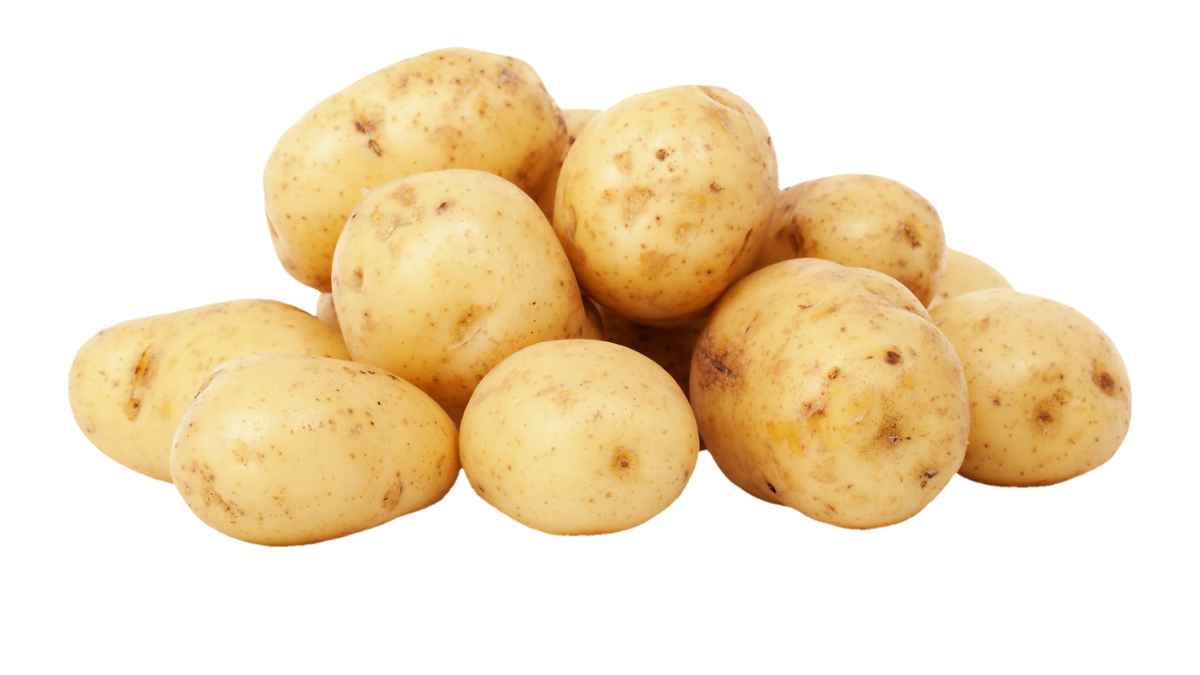
Starchy vegetables, such as potatoes, corn, and peas, are another category to watch. These vegetables are higher in carbs compared to non-starchy vegetables like leafy greens, broccoli, and cauliflower. Opting for non-starchy vegetables can help reduce overall carbohydrate consumption while still providing essential nutrients.
Dairy products, including milk, yogurt, and certain cheeses, contain lactose, a natural sugar that contributes to their carbohydrate content. Choosing lower-carb dairy options, such as unsweetened almond milk or Greek yogurt, can help reduce carb intake without sacrificing calcium and protein.
Lastly, condiments and sauces are often overlooked sources of carbohydrates. Ketchup, barbecue sauce, and salad dressings can contain added sugars that significantly increase their carb content. Reading labels and opting for low-carb or homemade versions of these condiments can help keep your carb intake in check.
Effective Strategies to Cut Carbs Gradually
Reducing carbohydrates doesn’t have to be an overnight process. Gradual changes can make the transition smoother and more sustainable. One effective strategy is to start by eliminating or reducing the most obvious sources of high carbs, such as sugary snacks and beverages. Replacing these with healthier options like nuts, seeds, or water can make a significant difference.
Another approach is to gradually reduce portion sizes of high-carb foods. For example, if you typically have a large serving of pasta, try reducing the portion by half and filling the rest of your plate with vegetables. This not only cuts carbs but also increases your intake of fiber and essential nutrients.
Swapping high-carb ingredients for lower-carb alternatives is another effective strategy. For instance, using cauliflower rice instead of regular rice or zucchini noodles instead of pasta can significantly reduce your carb intake while still allowing you to enjoy your favorite dishes.
Incorporating more protein and healthy fats into your meals can also help reduce carbohydrate consumption. Protein and fats are more satiating than carbs, which can help you feel fuller for longer and reduce the urge to snack on high-carb foods. Foods like lean meats, fish, eggs, avocados, and nuts are excellent choices.
Meal planning and preparation can play a crucial role in managing carb intake. By planning your meals ahead of time, you can ensure that you have low-carb options readily available, reducing the temptation to opt for high-carb convenience foods. Batch cooking and portioning out meals can make sticking to your low-carb goals easier.
Lastly, keeping track of your carbohydrate intake can provide valuable insights into your eating habits and help you make necessary adjustments. There are various apps and tools available that can help you log your meals and monitor your carb consumption. This can be particularly useful in identifying hidden sources of carbs and ensuring you stay within your desired range.
Low-Carb Alternatives for Common Ingredients
Finding low-carb alternatives for common high-carb ingredients can make it easier to stick to a low-carb diet without feeling deprived. One popular alternative is cauliflower, which can be used in place of rice, mashed potatoes, and even pizza crust. Its mild flavor and versatile texture make it a great substitute in many dishes.
Zucchini is another excellent low-carb option. Spiralized zucchini, also known as zoodles, can replace traditional pasta in a variety of dishes. Zucchini can also be used in baking to add moisture and reduce the need for flour, further cutting down on carbs.
Almond flour and coconut flour are great alternatives to traditional wheat flour. These low-carb flours can be used in baking and cooking to create delicious bread, muffins, and other baked goods. They also add a unique flavor and texture to recipes, making them a favorite among low-carb enthusiasts.
Shirataki noodles, made from the konjac plant, are another low-carb alternative to traditional pasta. These noodles are very low in calories and carbohydrates, making them an excellent choice for those looking to reduce their carb intake. They can be used in a variety of dishes, from stir-fries to soups.
For those who enjoy dairy, opting for full-fat versions of yogurt, cheese, and milk can help reduce carb intake. Full-fat dairy products are lower in lactose, the sugar found in milk, and higher in protein and healthy fats, making them a better choice for a low-carb diet.
Lastly, using leafy greens as wraps instead of bread or tortillas can significantly cut down on carbs. Lettuce, collard greens, and cabbage leaves are sturdy enough to hold fillings and add a fresh, crunchy texture to your meals. This simple swap can make a big difference in your overall carbohydrate consumption.
Planning Balanced, Low-Carb Meals
Planning balanced, low-carb meals involves more than just cutting out high-carb foods. It’s essential to ensure that your meals are still nutritionally balanced and satisfying. Start by focusing on incorporating a variety of non-starchy vegetables into your meals. These vegetables are low in carbs but high in fiber, vitamins, and minerals.
Protein is another crucial component of a balanced, low-carb meal. Aim to include a source of lean protein in each meal, such as chicken, fish, tofu, or legumes. Protein helps keep you full and supports muscle maintenance and growth, which is especially important if you’re also incorporating exercise into your routine.
Healthy fats are also an important part of a low-carb diet. Avocados, nuts, seeds, and olive oil are excellent sources of healthy fats that can help keep you satiated and provide essential fatty acids. Including a small amount of healthy fat in each meal can enhance flavor and improve satiety.
In addition to planning your main meals, consider low-carb snacks to keep you satisfied between meals. Options like hard-boiled eggs, cheese sticks, and vegetable sticks with hummus can help curb hunger and prevent overeating at meal times. Having these snacks readily available can make it easier to stick to your low-carb goals.
Hydration is another important aspect of a balanced diet. Drinking plenty of water throughout the day can help you feel full and prevent overeating. Herbal teas and infused water are also great options to stay hydrated without adding extra carbs.
Finally, variety is key to maintaining a balanced, low-carb diet. Experiment with different recipes and ingredients to keep your meals interesting and enjoyable. This not only helps prevent boredom but also ensures that you’re getting a wide range of nutrients from different food sources.
Monitoring and Adjusting Your Carb Intake
Monitoring your carbohydrate intake is essential to ensure that you’re meeting your dietary goals and making necessary adjustments. One effective way to do this is by keeping a food diary or using a mobile app to track your meals and snacks. This can help you identify patterns and make informed decisions about your carb consumption.
Regularly checking your blood sugar levels can also provide valuable insights, especially for individuals with diabetes or other metabolic conditions. Monitoring how your body responds to different foods can help you make more informed choices and adjust your diet accordingly.
It’s important to listen to your body and pay attention to how you feel after eating. If you notice that certain high-carb foods leave you feeling sluggish or cause blood sugar spikes, it may be a sign to reduce or eliminate them from your diet. On the other hand, if you find that you’re not feeling satisfied or are experiencing low energy levels, you may need to adjust your carb intake or incorporate more protein and healthy fats.
Consulting with a healthcare professional or registered dietitian can provide personalized guidance and support. They can help you set realistic goals, monitor your progress, and make necessary adjustments to your diet. Regular check-ins can ensure that you’re on the right track and help address any challenges you may encounter.
It’s also important to be flexible and open to making changes as needed. Your dietary needs may change over time, and what works for you now may not be as effective in the future. Regularly reassessing your goals and making adjustments to your diet can help you maintain long-term success.
In summary, monitoring and adjusting your carbohydrate intake is a continuous process that requires attention and flexibility. By keeping track of your meals, listening to your body, and seeking professional guidance, you can effectively manage your carb intake and achieve your dietary goals.
Conclusion:
Reducing carbohydrates in your meals can be a beneficial step toward achieving various health goals. By understanding the role of carbohydrates, identifying high-carb foods, and implementing effective strategies, you can create a balanced, low-carb diet that supports your overall well-being. Remember to monitor your progress and make necessary adjustments to ensure long-term success. With the right approach and mindset, you can enjoy delicious, satisfying meals while managing your carbohydrate intake.
Read More…
- Harvard T.H. Chan School of Public Health – Carbohydrates
- This resource provides comprehensive information on the types of carbohydrates and their impact on health.
- American Diabetes Association – Low-Carb Diets
- A detailed guide on how low-carb diets can benefit individuals with diabetes and tips for managing carb intake.
- Mayo Clinic – Low-Carb Diet: Can It Help You Lose Weight?
- An expert overview of the benefits and potential drawbacks of low-carb diets, with practical advice for implementation.
- Diet Doctor – Low-Carb Foods: What to Eat
- A comprehensive list of low-carb foods and meal ideas to help you plan your diet effectively.
- National Institute of Diabetes and Digestive and Kidney Diseases – Carbohydrates and Blood Sugar
- Information on how carbohydrates affect blood sugar levels and tips for managing carb intake for better health.