

Se hai un abbonamento attivo ACCEDI QUI
Introduction:
Low-carb diets have gained significant popularity over the years due to their potential benefits in weight management, blood sugar control, and overall health. For those looking to reduce their carbohydrate intake, finding suitable alternatives to staple foods like bread, pasta, and pizza can be challenging. This article explores various low-carb substitutes that can help you enjoy your favorite meals without compromising your dietary goals.
Understanding Low-Carb Diets and Their Benefits
Low-carb diets focus on reducing the intake of carbohydrates and increasing the consumption of proteins and fats. These diets can vary in the amount of carbs allowed, ranging from very low-carb ketogenic diets to more moderate low-carb diets. The primary goal is to shift the body’s metabolism from burning glucose (derived from carbs) to burning fat for energy, a state known as ketosis.
One of the main benefits of low-carb diets is their potential for weight loss. By reducing carb intake, the body is forced to use stored fat for energy, leading to a decrease in body fat. Additionally, low-carb diets can help reduce appetite, making it easier to consume fewer calories without feeling deprived.
Low-carb diets have also been shown to improve blood sugar control, which is particularly beneficial for individuals with type 2 diabetes or insulin resistance. By minimizing the intake of high-carb foods that cause spikes in blood sugar levels, these diets can help maintain more stable blood glucose levels.
Another advantage of low-carb diets is their potential to improve heart health. Studies have indicated that low-carb diets can lead to reductions in triglycerides, increased HDL (good) cholesterol, and improved LDL (bad) cholesterol particle size, all of which are beneficial for cardiovascular health.
Moreover, low-carb diets can have positive effects on mental clarity and focus. Many individuals report improved cognitive function and reduced brain fog when following a low-carb eating plan, likely due to more stable blood sugar levels and the brain’s efficient use of ketones for energy.
Lastly, low-carb diets may help reduce inflammation in the body. Chronic inflammation is linked to various health conditions, including heart disease, cancer, and autoimmune disorders. By reducing the intake of inflammatory foods like sugar and refined carbs, low-carb diets can contribute to overall health and well-being.
Nutritional Profile of Traditional Bread and Pasta
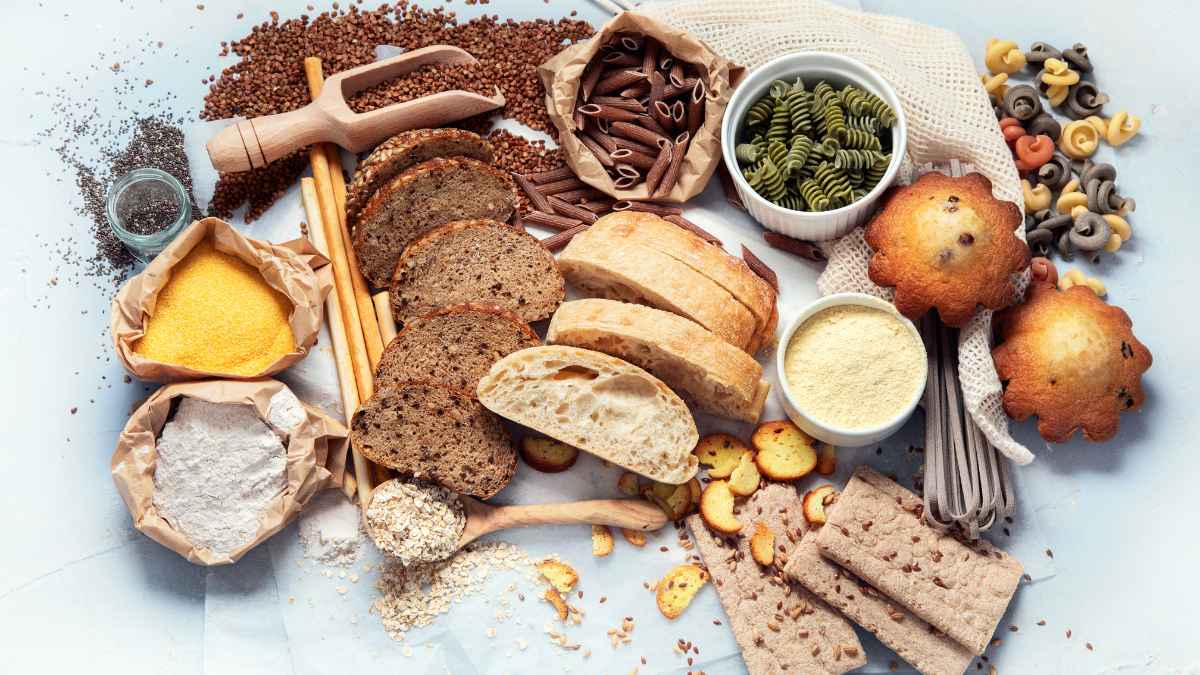
Traditional bread and pasta are staple foods in many diets worldwide, but they are also significant sources of carbohydrates. A typical slice of white bread contains around 15 grams of carbs, while a cup of cooked pasta can have upwards of 40 grams of carbs. These foods are primarily composed of refined flour, which offers little nutritional value beyond calories and carbohydrates.
Refined flour used in traditional bread and pasta is stripped of its bran and germ during processing, removing most of the fiber, vitamins, and minerals. This results in a product that is high in simple carbohydrates and low in essential nutrients. Consuming large amounts of refined carbs can lead to rapid spikes in blood sugar levels, followed by crashes that can cause hunger and cravings.
In addition to being high in carbs, traditional bread and pasta often contain added sugars and unhealthy fats, particularly in processed varieties. These additives can contribute to weight gain, insulin resistance, and other metabolic issues. Furthermore, the lack of fiber in refined flour products can negatively impact digestive health and contribute to constipation.
Whole grain versions of bread and pasta offer slightly better nutritional profiles, as they retain more of the grain’s natural fiber and nutrients. However, they still contain significant amounts of carbohydrates, which may not be suitable for those following a strict low-carb diet. Whole grains do provide more sustained energy release compared to refined grains, but they can still impact blood sugar levels.
The high glycemic index (GI) of traditional bread and pasta is another concern. Foods with a high GI cause rapid increases in blood glucose levels, which can be particularly problematic for individuals with diabetes or insulin resistance. Low-carb alternatives typically have a lower GI, leading to more stable blood sugar levels and reduced risk of metabolic complications.
Overall, while traditional bread and pasta can be part of a balanced diet for some, they pose challenges for those aiming to reduce carbohydrate intake. Exploring low-carb substitutes can help maintain the enjoyment of these foods while aligning with dietary goals.
Health Risks Associated with High-Carb Foods
High-carb foods, particularly those made from refined grains and sugars, can pose several health risks when consumed in excess. One of the most immediate concerns is their impact on blood sugar levels. High-carb foods can cause rapid spikes in blood glucose, leading to insulin resistance over time. This condition is a precursor to type 2 diabetes and can result in long-term health complications.
Excessive consumption of high-carb foods is also linked to weight gain and obesity. Carbohydrates are quickly converted into glucose, and any excess glucose that isn’t used for energy is stored as fat. This can lead to an increase in body fat, particularly around the abdomen, which is associated with a higher risk of metabolic diseases.
High-carb diets can also negatively impact cardiovascular health. Diets rich in refined carbohydrates and sugars can lead to increased triglyceride levels and lower HDL cholesterol levels. These changes can contribute to the development of atherosclerosis, a condition characterized by the buildup of fatty deposits in the arteries, increasing the risk of heart attack and stroke.
Another health risk associated with high-carb foods is their potential to cause inflammation. Chronic inflammation is a key factor in the development of various diseases, including heart disease, cancer, and autoimmune disorders. Diets high in refined carbs and sugars can promote inflammatory processes in the body, exacerbating these conditions.
Digestive health can also be compromised by a diet high in refined carbohydrates. These foods often lack fiber, which is essential for healthy digestion. A low-fiber diet can lead to constipation, irregular bowel movements, and other gastrointestinal issues. Additionally, the rapid digestion of refined carbs can disrupt the balance of gut bacteria, further impacting digestive health.
Finally, high-carb diets can affect mental health and cognitive function. Rapid fluctuations in blood sugar levels can lead to mood swings, irritability, and mental fatigue. Some studies suggest that diets high in refined carbs may be linked to an increased risk of depression and anxiety. By reducing the intake of high-carb foods, individuals may experience more stable energy levels and improved mental clarity.
Innovative Low-Carb Bread Substitutes
For those looking to reduce their carbohydrate intake, there are several innovative low-carb bread substitutes available. One popular option is cloud bread, also known as oopsie bread. Made primarily from eggs and cream cheese, cloud bread is light, fluffy, and contains minimal carbs. It’s a versatile substitute that can be used for sandwiches, burgers, or as a base for various toppings.
Another excellent low-carb bread alternative is almond flour bread. Almond flour is made from finely ground almonds and is naturally low in carbs and high in healthy fats and protein. Almond flour bread has a slightly nutty flavor and a dense texture, making it a satisfying substitute for traditional bread. It can be used for everything from toast to sandwich bread.
Coconut flour bread is another option for those on a low-carb diet. Coconut flour is made from dried coconut meat and is rich in fiber and healthy fats. It has a slightly sweet flavor and can be used to make a variety of bread types, including loaves, muffins, and flatbreads. Coconut flour bread is particularly suitable for those following a paleo or gluten-free diet.
For a more vegetable-based approach, cauliflower bread is a creative and nutritious low-carb substitute. Cauliflower is low in carbs and high in vitamins and minerals. To make cauliflower bread, the vegetable is finely grated and mixed with eggs and cheese to form a dough. The result is a versatile bread alternative that can be used for sandwiches, pizza crusts, or as a side dish.
Flaxseed bread is another innovative low-carb option. Flaxseeds are rich in fiber, omega-3 fatty acids, and lignans, which have various health benefits. Flaxseed bread has a dense texture and a slightly nutty flavor. It’s an excellent source of plant-based nutrients and can be used in place of traditional bread for a variety of meals.
Lastly, psyllium husk bread is a unique low-carb substitute. Psyllium husk is a type of fiber that absorbs water and forms a gel-like substance, providing structure to the bread. This type of bread is often combined with almond or coconut flour to create a low-carb, gluten-free loaf. Psyllium husk bread is known for its ability to mimic the texture of traditional bread, making it a popular choice among low-carb dieters.
Creative Low-Carb Pasta Alternatives
For pasta lovers looking to cut down on carbs, there are several creative low-carb alternatives available. One popular option is zucchini noodles, also known as zoodles. Zucchini is low in carbs and calories and can be spiralized into noodle-like strands. Zoodles can be enjoyed raw or lightly cooked and pair well with a variety of sauces and toppings.
Another excellent low-carb pasta substitute is spaghetti squash. When cooked, the flesh of spaghetti squash separates into thin, spaghetti-like strands. This vegetable is low in carbs and provides a good source of vitamins and minerals. Spaghetti squash can be used in place of traditional pasta in many dishes, offering a similar texture with fewer carbs.
Shirataki noodles, also known as konjac noodles or miracle noodles, are another innovative low-carb pasta alternative. Made from the konjac plant, these noodles are extremely low in carbs and calories. Shirataki noodles have a gelatinous texture and can absorb the flavors of the sauces and ingredients they are cooked with, making them a versatile option for low-carb meals.
For those who prefer a more protein-rich pasta alternative, chickpea pasta is a great choice. Made from chickpea flour, this pasta is higher in protein and fiber compared to traditional wheat pasta. While it does contain more carbs than some other low-carb alternatives, the higher protein and fiber content can help with satiety and blood sugar control.
Palmini pasta, made from hearts of palm, is another creative low-carb option. Hearts of palm are naturally low in carbs and calories and have a mild flavor that works well in a variety of dishes. Palmini pasta comes in various shapes, including linguine and lasagna sheets, making it a versatile substitute for traditional pasta.
Lastly, cabbage noodles offer a unique low-carb alternative. Thinly sliced cabbage can be used as a substitute for noodles in dishes like stir-fries and soups. Cabbage is low in carbs and high in vitamins and minerals, making it a nutritious option for those looking to reduce their carb intake. The slightly crunchy texture of cabbage noodles adds an interesting twist to traditional pasta dishes.
Delicious Low-Carb Pizza Crust Options
Pizza is a beloved comfort food, but traditional pizza crusts are high in carbs. Fortunately, there are several delicious low-carb pizza crust options available. One popular choice is cauliflower crust. Made from finely grated cauliflower, eggs, and cheese, this crust is low in carbs and high in nutrients. Cauliflower crusts can be baked to a crispy texture and topped with your favorite pizza toppings.
Another excellent low-carb pizza crust alternative is almond flour crust. Almond flour is low in carbs and high in healthy fats and protein. An almond flour crust has a slightly nutty flavor and a firm texture, making it a satisfying base for low-carb pizzas. It can be easily customized with various herbs and spices to enhance the flavor.
Coconut flour crust is another option for those on a low-carb diet. Coconut flour is rich in fiber and healthy fats, and it has a slightly sweet flavor. A coconut flour pizza crust can be made by combining the flour with eggs and cheese to create a dough. This crust is particularly suitable for those following a paleo or gluten-free diet.
For a more protein-rich option, chicken crust pizza is an innovative low-carb alternative. Made from ground chicken, eggs, and cheese, this crust is high in protein and contains minimal carbs. Chicken crust pizza has a unique flavor and a firm texture, making it a hearty and satisfying option for low-carb pizza lovers.
Fathead dough is another popular low-carb pizza crust option. This dough is made from mozzarella cheese, cream cheese, almond flour, and eggs. Fathead dough is low in carbs and has a chewy texture similar to traditional pizza crust. It can be used to make a variety of low-carb baked goods, including pizza crusts, breadsticks, and calzones.
Lastly, flaxseed meal crust offers a nutritious low-carb alternative. Flaxseed meal is rich in fiber, omega-3 fatty acids, and lignans. A flaxseed meal pizza crust has a dense texture and a slightly nutty flavor. It’s an excellent source of plant-based nutrients and can be topped with a variety of low-carb ingredients to create a delicious and healthy pizza.
Conclusion:
Adopting a low-carb diet doesn’t mean you have to give up your favorite foods like bread, pasta, and pizza. With a variety of innovative and delicious low-carb substitutes available, you can enjoy these staples while staying true to your dietary goals. From cloud bread and zucchini noodles to cauliflower pizza crust, there are plenty of options to explore and enjoy. By making mindful choices and experimenting with different low-carb alternatives, you can maintain a balanced and satisfying diet.
Read More…
- Healthline: Low-Carb Diets – A Beginner’s Guide
- This comprehensive guide provides an overview of low-carb diets, including their benefits and potential risks.
- WebMD: The Truth About Low-Carb Diets
- An insightful article discussing the science behind low-carb diets and their impact on health.
- Harvard T.H. Chan School of Public Health: Low-Carbohydrate Diets
- A detailed review of low-carb diets, including their effects on weight loss and disease prevention.
- Mayo Clinic: Low-Carb Diet: Can It Help You Lose Weight?
- Expert answers to common questions about low-carb diets and their role in weight management.
- Verywell Fit: Low-Carb Food List – What Can You Eat on a Low-Carb Diet?
- A practical guide to low-carb foods, including a list of suitable alternatives to high-carb staples.