

Introduction:
The Mediterranean diet is often celebrated for its health benefits, particularly concerning heart health and longevity. However, its impact on gut health is equally noteworthy. This dietary pattern, rich in whole foods, emphasizes fresh fruits and vegetables, whole grains, lean proteins, and healthy fats. Understanding how these components contribute to gut health can provide insights into achieving a balanced and nutritious lifestyle. This article will explore the key elements of the Mediterranean diet that promote a healthy gut, focusing on probiotic-rich foods, fiber, healthy fats, and practical tips for daily incorporation.
Understanding the Mediterranean Diet: A Nutritional Overview
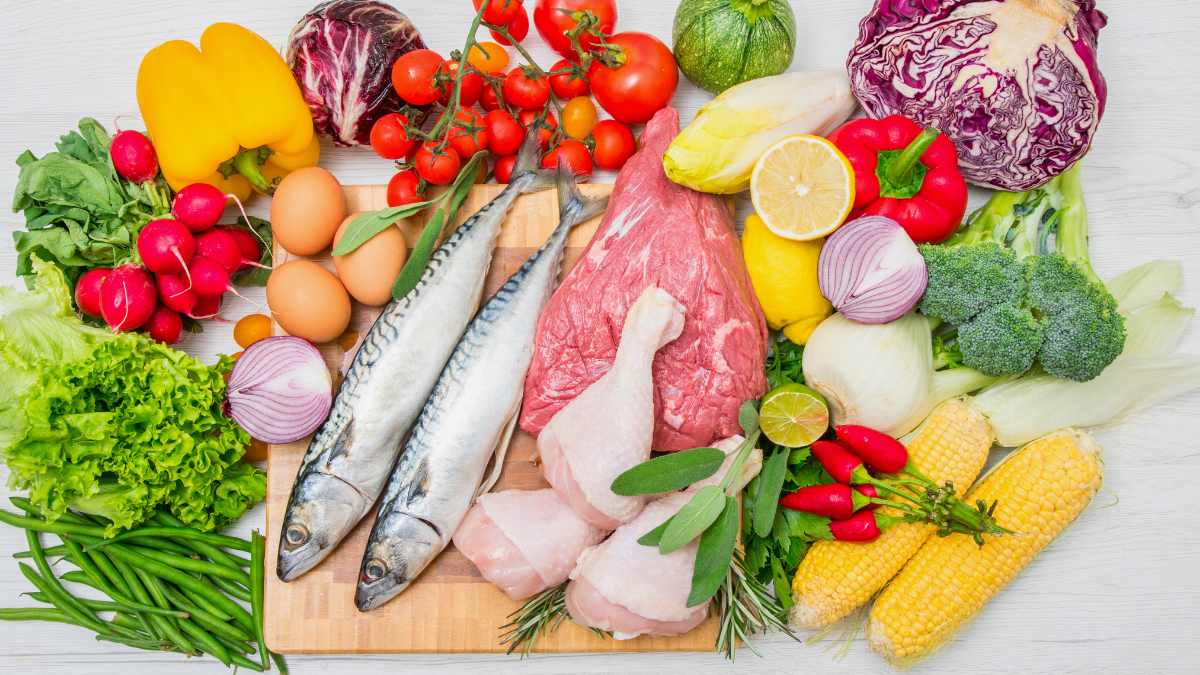
The Mediterranean diet is rooted in the traditional eating habits of countries bordering the Mediterranean Sea, such as Greece, Italy, and Spain. It is characterized by a high intake of plant-based foods, moderate consumption of fish and poultry, and limited intake of red meat and sweets. This dietary pattern is not just about food choices; it represents a lifestyle that includes physical activity and social interactions during meals. The diet is rich in antioxidants, vitamins, and minerals, which are essential for overall health.
One of the primary principles of the Mediterranean diet is the emphasis on whole, minimally processed foods. This approach helps to maintain the integrity of nutrients and promotes better absorption. Foods are often prepared using healthy cooking methods, such as grilling, roasting, or steaming, rather than frying. The Mediterranean diet also encourages the use of herbs and spices instead of salt, enhancing flavor while reducing sodium intake, which is beneficial for gut health.
Research has shown that adherence to the Mediterranean diet is associated with a lower risk of various chronic diseases, including cardiovascular disease, diabetes, and certain cancers. This is largely attributed to its anti-inflammatory properties and its ability to support a diverse gut microbiome. The diet’s focus on fresh, seasonal ingredients ensures a wide variety of nutrients, which is crucial for maintaining a healthy gut.
In summary, the Mediterranean diet is not merely a collection of foods but a holistic approach to eating that prioritizes health, sustainability, and enjoyment. Understanding its components is vital for anyone looking to improve their gut health and overall well-being.
Key Components of Mediterranean Cuisine for Gut Health
Several key components of Mediterranean cuisine contribute significantly to gut health. Fruits and vegetables are at the forefront, providing essential vitamins, minerals, and antioxidants. They are also high in water content, which aids digestion and helps maintain hydration. Common choices include tomatoes, leafy greens, cucumbers, and a variety of fruits like oranges, berries, and grapes, all of which are rich in fiber and beneficial plant compounds.
Whole grains are another cornerstone of the Mediterranean diet. Foods such as whole grain bread, brown rice, and quinoa are not only nutritious but also provide a good source of dietary fiber. Fiber plays a crucial role in gut health by promoting regular bowel movements and serving as food for beneficial gut bacteria. The fermentation of fiber by these bacteria produces short-chain fatty acids, which are vital for maintaining the health of the gut lining.
Legumes, including lentils, chickpeas, and beans, are also prominent in Mediterranean cuisine. They are an excellent source of protein and fiber, making them a staple for both gut health and overall nutrition. The high fiber content of legumes helps to regulate blood sugar levels and supports a healthy microbiome by fostering the growth of beneficial bacteria.
Finally, the Mediterranean diet incorporates a variety of nuts and seeds, which provide healthy fats, protein, and fiber. These foods not only enhance the flavor and texture of meals but also contribute to satiety and overall digestive health. The combination of these components creates a balanced and diverse diet that supports gut health.
Probiotic-Rich Foods in the Mediterranean Diet Explained
Probiotics are live microorganisms that provide health benefits when consumed in adequate amounts. In the Mediterranean diet, several foods are naturally rich in probiotics, which can enhance gut health by improving the balance of gut bacteria. Fermented foods, such as yogurt and kefir, are staples in many Mediterranean countries and are known for their probiotic content.
Yogurt, particularly when made from whole milk and containing live cultures, is a popular choice in Mediterranean cuisine. It is not only a good source of protein and calcium but also provides beneficial bacteria that can aid digestion and boost the immune system. Regular consumption of yogurt can help maintain a healthy gut microbiome and may alleviate symptoms of lactose intolerance for some individuals.
Another probiotic-rich food commonly found in Mediterranean diets is kefir, a fermented milk drink that is even higher in probiotics than yogurt. Kefir is made by adding kefir grains to milk, resulting in a tangy beverage that is rich in beneficial bacteria. It is also a versatile ingredient that can be used in smoothies, salad dressings, or enjoyed on its own.
In addition to dairy-based probiotics, fermented vegetables like sauerkraut and pickles are also part of the Mediterranean tradition. These foods undergo fermentation, which enhances their probiotic content and provides additional health benefits. Incorporating these foods into the diet can significantly improve gut health and overall well-being.
The Role of Fiber in Mediterranean Gut-Friendly Foods
Fiber is a crucial component of the Mediterranean diet, playing a significant role in promoting gut health. It is found in abundance in fruits, vegetables, whole grains, legumes, and nuts. The two main types of dietary fiber are soluble and insoluble, both of which contribute to digestive health in different ways.
Soluble fiber dissolves in water and forms a gel-like substance in the gut. This type of fiber can help regulate blood sugar levels and lower cholesterol, while also providing nourishment for beneficial gut bacteria. Foods rich in soluble fiber include oats, barley, legumes, and certain fruits like apples and citrus.
Insoluble fiber, on the other hand, does not dissolve in water and adds bulk to the stool, promoting regular bowel movements. This type of fiber is essential for preventing constipation and maintaining a healthy digestive tract. Whole grains, nuts, seeds, and the skins of fruits and vegetables are excellent sources of insoluble fiber.
The Mediterranean diet’s emphasis on high-fiber foods supports a diverse gut microbiome, which is essential for overall health. A diverse microbiome is associated with better digestion, improved immune function, and a lower risk of chronic diseases. By incorporating a variety of fiber-rich foods into daily meals, individuals can enhance their gut health and overall well-being.
Healthy Fats: Their Impact on Gut Microbiota Diversity
Healthy fats are another essential component of the Mediterranean diet, particularly monounsaturated fats found in olive oil, nuts, and avocados. These fats not only provide energy but also play a crucial role in maintaining a healthy gut microbiome. Research has shown that diets rich in healthy fats can enhance the diversity of gut bacteria, which is a marker of good gut health.
Olive oil, a staple fat in Mediterranean cuisine, is rich in oleic acid and antioxidants. It has anti-inflammatory properties that can benefit gut health and support the growth of beneficial bacteria. Using olive oil as a primary cooking fat or dressing can help improve overall health and promote a balanced gut microbiome.
Nuts and seeds are also excellent sources of healthy fats, providing a mix of omega-3 and omega-6 fatty acids. These fats are essential for maintaining the integrity of the gut lining and supporting the growth of beneficial gut bacteria. Regular consumption of nuts and seeds can contribute to improved gut health and reduce the risk of gastrointestinal disorders.
Incorporating fatty fish, such as salmon, sardines, and mackerel, into the Mediterranean diet is another way to enhance gut health. These fish are high in omega-3 fatty acids, which have been shown to have anti-inflammatory effects and promote a healthy gut microbiome. By prioritizing healthy fats in the Mediterranean diet, individuals can support their gut health and overall well-being.
Practical Tips for Incorporating Mediterranean Foods Daily
Incorporating Mediterranean foods into your daily diet can be both enjoyable and beneficial for gut health. Start by gradually adding more fruits and vegetables to your meals. Aim for at least five servings of fruits and vegetables each day, focusing on a variety of colors and types to ensure a diverse nutrient intake.
Incorporating whole grains is another easy way to embrace the Mediterranean diet. Replace refined grains with whole grains like brown rice, quinoa, or whole wheat bread. This simple swap can significantly increase your fiber intake and promote better digestive health.
Consider making legumes a regular part of your meals. Add beans, lentils, or chickpeas to salads, soups, or stews. These nutrient-dense foods are not only high in fiber but also provide plant-based protein, making them a versatile and healthy addition to any diet.
Finally, don’t forget about healthy fats. Use olive oil as your primary cooking fat and include nuts and seeds in your snacks or meals. This will not only enhance the flavor of your dishes but also support your gut health and overall nutrition.
Conclusions:
The Mediterranean diet offers a wealth of gut-friendly foods that can enhance digestive health and overall well-being. By emphasizing a variety of fruits, vegetables, whole grains, legumes, healthy fats, and probiotic-rich foods, individuals can create a balanced and nutritious eating pattern. Understanding the components of this diet and how they contribute to gut health can empower individuals to make informed dietary choices that promote a healthy lifestyle.
Read more
- Mediterranean Diet: A Detailed Beginner’s Guide – A comprehensive overview of the Mediterranean diet, including its health benefits and key components.
- The Role of Probiotics in Gut Health – An in-depth exploration of how probiotics affect gut health and their sources in the diet.
- The Importance of Fiber in the Diet – A detailed review of dietary fiber’s health benefits and its role in digestive health.
- Healthy Fats and Gut Health – A study discussing the impact of healthy fats on gut microbiota and overall health.
- Mediterranean Diet and Its Impact on Health – An article summarizing the health effects of the Mediterranean diet, with a focus on its anti-inflammatory properties.