

Introduction:
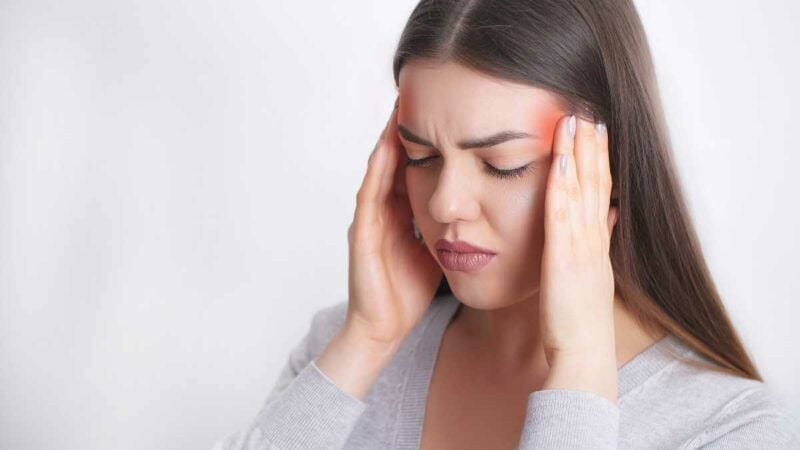
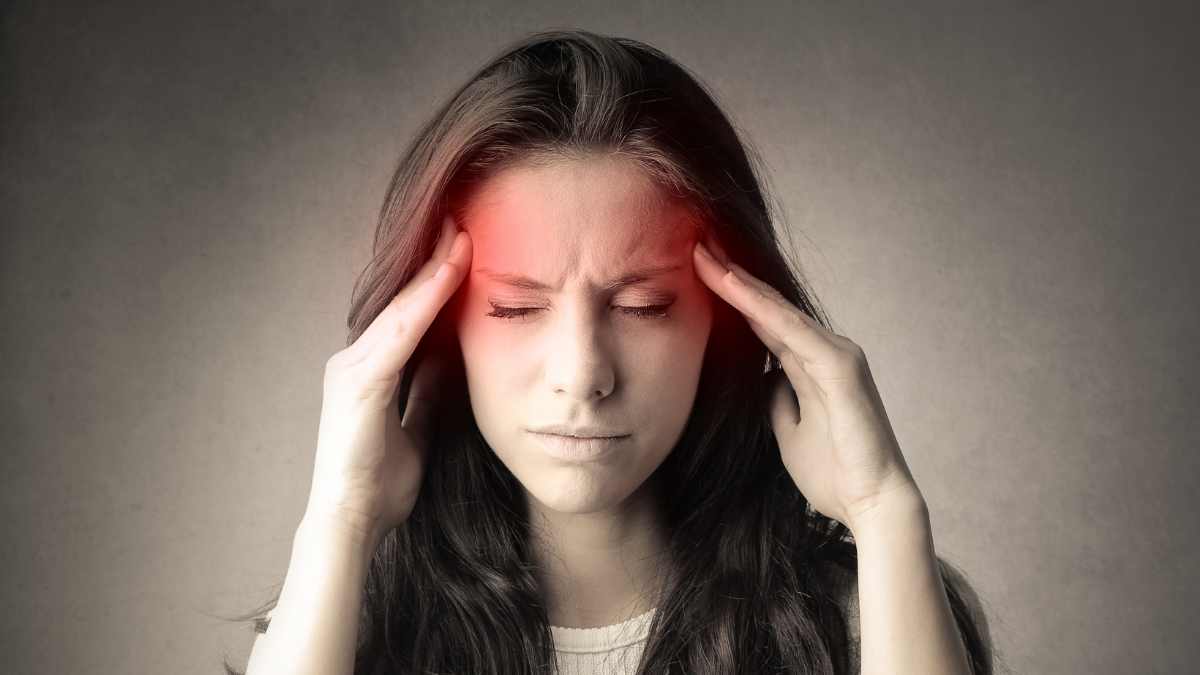
Migraine headaches are a debilitating condition that affects millions of people worldwide. Characterized by intense, throbbing pain often accompanied by nausea, sensitivity to light, and other symptoms, migraines can severely disrupt daily life. While many individuals rely on medications prescribed by healthcare professionals, there are several immediate home remedies that can provide relief. Understanding the mechanisms behind migraines, recognizing early symptoms, and employing effective home strategies can empower sufferers to manage their pain more effectively.
Understanding the Mechanisms Behind Migraine Headaches
Migraine headaches are primarily caused by neurological changes in the brain, which can lead to alterations in blood flow and inflammation. The trigeminovascular system, a key player in migraine pathophysiology, becomes activated, resulting in the release of inflammatory substances such as CGRP (calcitonin gene-related peptide) and substance P. This cascade of events leads to the dilation of blood vessels and increased sensitivity of pain receptors, culminating in the characteristic headache.
Genetic predisposition also plays a significant role in the development of migraines. Research indicates that individuals with a family history of migraines are more likely to experience them. Additionally, environmental factors such as stress, dietary triggers, and hormonal changes can influence the onset of migraines. Understanding these mechanisms can help individuals identify potential triggers and take preventive measures.
Furthermore, migraines can be classified into two main types: migraine without aura and migraine with aura. The latter is often preceded by visual disturbances or sensory changes, which can serve as a warning sign for those affected. Recognizing these distinctions is crucial in developing effective management strategies.
Lastly, the psychological aspect of migraines should not be overlooked. Stress, anxiety, and depression can exacerbate migraine symptoms, creating a vicious cycle. Addressing mental health through relaxation techniques and lifestyle changes can be an essential component of migraine management.
Identifying Early Symptoms of an Oncoming Migraine
Recognizing the early signs of a migraine is vital for effective intervention. Many individuals experience a prodrome phase, which can occur hours or even days before the headache strikes. Symptoms during this phase may include mood changes, fatigue, neck stiffness, and food cravings. Being aware of these early indicators can empower individuals to take action before the migraine escalates.
Another important phase is the aura, experienced by some individuals. Auras can manifest as visual disturbances, such as flashing lights or blind spots, as well as sensory changes like tingling in the extremities. For those who experience auras, this phase serves as a critical warning sign that a migraine is imminent, allowing for timely intervention.
Keeping a migraine diary can be incredibly beneficial in identifying patterns and triggers. By documenting the frequency, duration, and intensity of migraines, as well as associated symptoms and potential triggers, individuals can gain insights into their unique migraine profile. This information can guide both immediate and long-term management strategies.
Finally, being attuned to personal triggers is essential. Common triggers include certain foods, hormonal fluctuations, lack of sleep, and environmental factors. By recognizing and avoiding these triggers, individuals can reduce the likelihood of experiencing a migraine.
Immediate Home Remedies to Alleviate Migraine Pain
When a migraine strikes, immediate action can make a significant difference in alleviating pain. One of the most effective home remedies is the use of essential oils, such as peppermint or lavender. These oils can be applied to the temples or inhaled to promote relaxation and reduce headache intensity. The soothing properties of these oils can help calm the nervous system and provide a sense of relief.
Another popular remedy is ginger tea, which has anti-inflammatory properties that can help reduce nausea and pain associated with migraines. Simply steeping fresh ginger in hot water can create a comforting beverage that not only hydrates but also aids in alleviating migraine symptoms. Consuming ginger in any form, whether as tea or in food, can be beneficial for many individuals.
Acupressure is another technique that can provide immediate relief. By applying pressure to specific points on the body, such as the space between the thumb and index finger, individuals may experience a reduction in pain. This method is based on traditional Chinese medicine and can be easily performed at home.
Lastly, engaging in deep breathing exercises can help manage stress and reduce the severity of a migraine. Focusing on slow, deep breaths can activate the body’s relaxation response, helping to ease tension and promote a sense of calm. This technique can be particularly effective when combined with other home remedies.
Utilizing Cold and Heat Therapy for Quick Relief
Cold and heat therapy are two effective methods for managing migraine pain at home. Applying a cold compress to the forehead or the back of the neck can help numb the area and reduce inflammation. The cold temperature constricts blood vessels, which can alleviate the throbbing sensation associated with migraines. A cold pack or even a bag of frozen vegetables wrapped in a cloth can serve as a makeshift compress.
On the other hand, some individuals may find relief through heat therapy. A warm compress or heating pad applied to the neck and shoulders can help relax tense muscles, which may contribute to migraine pain. The soothing warmth can promote circulation and ease discomfort, making it a valuable option for those who prefer heat over cold.
It’s important to note that the effectiveness of cold versus heat therapy can vary from person to person. Some individuals may find that alternating between cold and heat provides the best relief. Experimenting with both methods can help determine which approach is more effective for individual symptoms.
Additionally, taking a warm shower can also be beneficial. The steam and warmth can help relax muscles and provide a calming effect, making it a practical and enjoyable way to alleviate migraine symptoms.
The Role of Hydration in Migraine Management Strategies
Staying adequately hydrated is crucial for managing migraines. Dehydration is a common trigger for many individuals, and even mild dehydration can lead to increased headache frequency and intensity. Drinking water throughout the day can help maintain optimal hydration levels and potentially reduce the likelihood of migraines.
In addition to plain water, incorporating electrolyte-rich beverages can be beneficial, especially for those who engage in physical activity or live in hot climates. Drinks containing electrolytes can help replenish lost fluids and maintain balance in the body, further supporting migraine prevention.
Herbal teas, such as chamomile or peppermint, can also contribute to hydration while providing additional soothing effects. These teas can be enjoyed hot or cold, making them a versatile option for individuals looking to increase their fluid intake.
It’s essential to be mindful of caffeine consumption, as it can have both positive and negative effects on migraines. While small amounts of caffeine may help alleviate headache symptoms for some, excessive consumption can lead to withdrawal headaches. Striking a balance is key to effective migraine management.
When to Seek Professional Help for Severe Migraines
While many migraines can be managed at home, there are instances when professional help is necessary. If migraines occur frequently—defined as more than two to three times a month—or if they significantly interfere with daily life, it may be time to consult a healthcare professional. A thorough evaluation can help identify underlying causes and determine appropriate treatment options.
Additionally, if a migraine is accompanied by unusual symptoms such as vision changes, confusion, or difficulty speaking, immediate medical attention is warranted. These symptoms could indicate a more serious condition, such as a stroke or other neurological issues, and should not be ignored.
For individuals who experience severe side effects from over-the-counter medications or find that home remedies are ineffective, seeking professional guidance is crucial. A healthcare provider can recommend prescription medications or alternative therapies tailored to individual needs.
Lastly, keeping an open line of communication with healthcare professionals about migraine patterns, triggers, and treatment responses can lead to more effective management strategies. Collaborating with a specialist can provide valuable insights and support for those struggling with chronic migraines.
Conclusions:
Managing migraines effectively requires a multifaceted approach that includes understanding the underlying mechanisms, recognizing early symptoms, and employing immediate home remedies. By utilizing techniques such as cold and heat therapy, maintaining proper hydration, and knowing when to seek professional help, individuals can take control of their migraine experiences. Empowerment through knowledge and self-care can lead to improved quality of life for those affected by this challenging condition.
Read more
- Mayo Clinic – Migraine – Comprehensive overview of migraine symptoms, causes, and treatments.
- American Migraine Foundation – A resource for information on migraine research, treatment options, and support.
- National Headache Foundation – Offers educational resources and support for individuals suffering from headaches and migraines.
- Cleveland Clinic – Migraine Treatment – Detailed information on migraine treatment options and home remedies.
- WebMD – Migraine Management – Insights into managing migraines, including lifestyle changes and home remedies.