


Introduction: Iron is a crucial mineral for maintaining overall health, playing a vital role in oxygen transport, energy production, and immune function. For vegetarians, meeting iron requirements can be a bit more challenging due to the absence of heme iron found in animal products. However, with careful planning and knowledge, vegetarians can achieve adequate iron intake through plant-based sources and other strategies.
Understanding Iron Requirements for Vegetarians
Iron is an essential nutrient that supports various bodily functions, including the production of hemoglobin, a protein in red blood cells that carries oxygen throughout the body. The Recommended Dietary Allowance (RDA) for iron varies based on age, sex, and life stage. For adult men, the RDA is 8 mg per day, while for women aged 19-50, it is 18 mg per day due to menstrual losses. Postmenopausal women have the same requirement as men.
Vegetarians need to be particularly mindful of their iron intake because plant-based iron, known as non-heme iron, is less readily absorbed by the body compared to heme iron from animal sources. Studies suggest that vegetarians may need up to 1.8 times the amount of iron as non-vegetarians to account for the lower bioavailability. This means that women of childbearing age who follow a vegetarian diet might need as much as 32 mg of iron per day.
Iron deficiency can lead to anemia, characterized by fatigue, weakness, and impaired cognitive function. Therefore, understanding and meeting iron requirements is crucial for vegetarians to maintain optimal health and prevent deficiency-related complications.
It’s also important to consider that certain life stages, such as pregnancy and adolescence, increase iron needs. Pregnant women, for example, require 27 mg of iron per day. Vegetarians in these categories should pay extra attention to their iron intake and may benefit from consulting with a healthcare provider or a registered dietitian.
Plant-Based Sources of Iron-Rich Foods
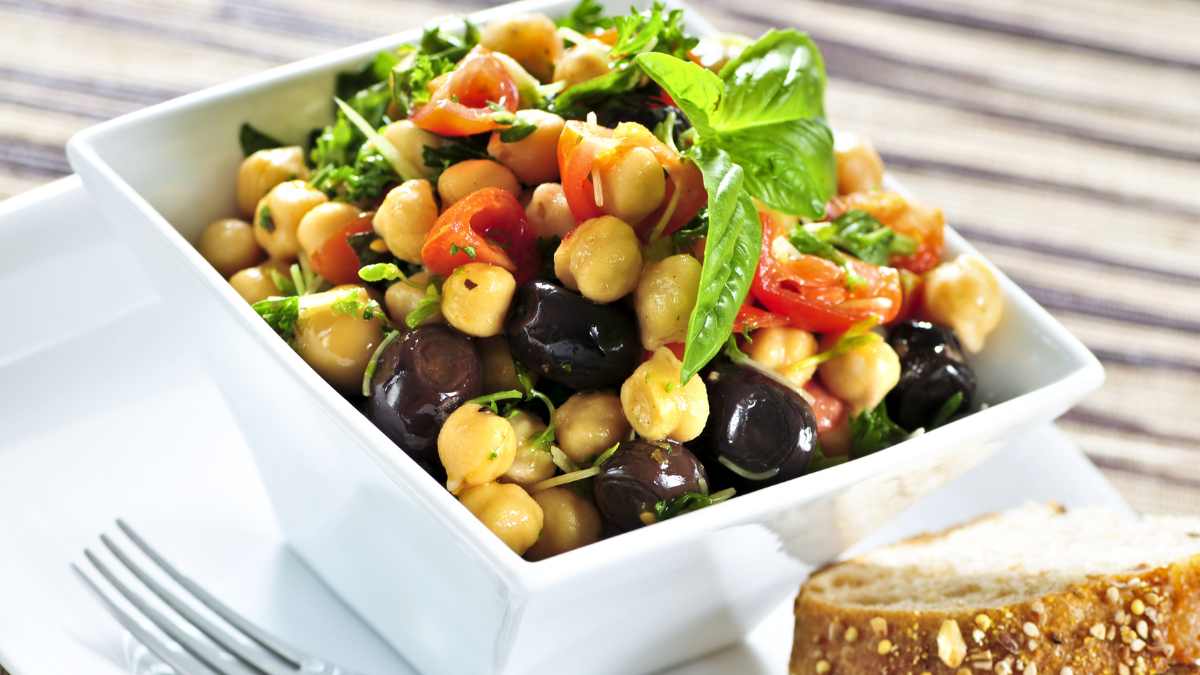
Several plant-based foods are rich in iron and can help vegetarians meet their daily requirements. Legumes, such as lentils, chickpeas, and beans, are excellent sources of non-heme iron. For instance, one cup of cooked lentils contains about 6.6 mg of iron, making it a valuable addition to a vegetarian diet.
Dark leafy greens, such as spinach, kale, and Swiss chard, also provide significant amounts of iron. While the iron content in these vegetables is high, it’s important to note that they also contain oxalates, which can inhibit iron absorption. Nonetheless, incorporating a variety of greens into meals can contribute to overall iron intake.
Nuts and seeds, including pumpkin seeds, sesame seeds, and cashews, are not only rich in iron but also provide healthy fats and other essential nutrients. For example, one ounce of pumpkin seeds contains approximately 2.5 mg of iron. These can be easily added to salads, smoothies, or consumed as snacks.
Whole grains, such as quinoa, brown rice, and oatmeal, are additional sources of non-heme iron. Quinoa, in particular, is a complete protein and provides about 2.8 mg of iron per cooked cup. Including a variety of these grains in the diet can help vegetarians meet their iron needs while also benefiting from other nutrients they offer.
Enhancing Iron Absorption in Vegetarian Diets
Iron absorption can be influenced by various dietary factors. Vitamin C, also known as ascorbic acid, significantly enhances the absorption of non-heme iron. Consuming vitamin C-rich foods, such as citrus fruits, bell peppers, strawberries, and broccoli, alongside iron-rich meals can improve iron uptake. For example, adding lemon juice to a lentil salad can boost iron absorption.
On the other hand, certain compounds can inhibit iron absorption. Phytates, found in whole grains and legumes, and polyphenols, present in tea, coffee, and some vegetables, can reduce the bioavailability of iron. To mitigate this effect, vegetarians can soak, ferment, or sprout grains and legumes, which reduces phytate content and enhances iron absorption.
Calcium is another mineral that can interfere with iron absorption when consumed in large amounts during meals. While calcium is essential for bone health, it’s advisable to consume calcium-rich foods or supplements separately from iron-rich meals to avoid competition for absorption.
Cooking methods can also impact iron availability. Using cast iron cookware can increase the iron content of food, especially when cooking acidic foods like tomato sauce. Additionally, cooking vegetables can reduce their oxalate content, thereby improving iron absorption from these sources.
Iron-Fortified Foods and Supplements for Vegetarians
Iron-fortified foods can be a convenient way for vegetarians to boost their iron intake. Many breakfast cereals, bread, and plant-based milk alternatives are fortified with iron. When choosing fortified products, it’s important to check the nutrition labels to ensure they provide a significant amount of iron per serving.
For some vegetarians, dietary sources alone may not be sufficient to meet their iron needs, particularly during periods of increased requirements, such as pregnancy or intense physical activity. In such cases, iron supplements can be an effective solution. Iron supplements come in various forms, including ferrous sulfate, ferrous gluconate, and ferrous fumarate, each with different absorption rates and potential side effects.
It is essential to consult with a healthcare provider before starting any iron supplement, as excessive iron intake can lead to toxicity and adverse health effects. A healthcare provider can recommend the appropriate dosage based on individual needs and monitor iron levels to ensure safe and effective supplementation.
Additionally, some multivitamins designed for vegetarians contain iron along with other essential nutrients. These can be a convenient option for those looking to support their overall nutritional status while ensuring adequate iron intake.
Monitoring and Managing Iron Levels Effectively
Regular monitoring of iron levels is crucial for vegetarians to prevent deficiency and maintain optimal health. Blood tests, such as a complete blood count (CBC) and serum ferritin levels, can provide valuable information about iron status. Ferritin is a protein that stores iron, and low levels can indicate iron deficiency even before anemia develops.
Vegetarians experiencing symptoms of iron deficiency, such as fatigue, pallor, or shortness of breath, should seek medical evaluation to determine the underlying cause and appropriate treatment. Early detection and intervention can prevent the progression to iron-deficiency anemia and its associated complications.
Maintaining a food diary can help vegetarians track their iron intake and identify any dietary patterns that may contribute to inadequate iron consumption. This can be particularly useful for those with increased iron needs or those who have been diagnosed with iron deficiency.
Working with a registered dietitian can provide personalized guidance on optimizing iron intake through dietary choices and supplements if necessary. A dietitian can help create balanced meal plans that incorporate a variety of iron-rich foods and strategies to enhance iron absorption.
Addressing Common Myths About Iron in Vegetarian Diets
One common myth is that vegetarians cannot get enough iron from plant-based foods alone. While it is true that non-heme iron is less readily absorbed, vegetarians can meet their iron needs through careful dietary planning and the inclusion of iron-rich plant foods and enhancers like vitamin C.
Another misconception is that all vegetarians are at high risk of iron deficiency. While some vegetarians may be more susceptible, particularly women of childbearing age, not all vegetarians will develop iron deficiency. Individual iron status depends on various factors, including overall diet quality, iron requirements, and absorption efficiency.
There is also a belief that iron supplements are always necessary for vegetarians. While supplements can be beneficial for those with diagnosed deficiencies or increased needs, many vegetarians can achieve adequate iron intake through diet alone. Supplements should be used under medical supervision to avoid potential side effects and toxicity.
Lastly, some people think that cooking in cast iron cookware is not effective in increasing iron intake. However, research shows that cooking acidic foods in cast iron pots can indeed increase the iron content of the food, providing a practical way to boost dietary iron.
Conclusion: Achieving adequate iron intake on a vegetarian diet is entirely possible with the right knowledge and strategies. By understanding iron requirements, incorporating a variety of iron-rich plant foods, enhancing absorption, considering fortified foods and supplements, and regularly monitoring iron levels, vegetarians can maintain optimal iron status and overall health.
More Information:
-
National Institutes of Health – Iron
- Comprehensive resource on iron, including dietary sources, absorption, and recommended intakes.
-
Academy of Nutrition and Dietetics – Vegetarian Diets
- Information on vegetarian nutrition, including tips for meeting nutrient needs.
-
Harvard T.H. Chan School of Public Health – The Nutrition Source: Iron
- Detailed overview of iron, its functions, and dietary sources.
-
Mayo Clinic – Iron Deficiency Anemia
- Information on the symptoms, causes, and treatment of iron deficiency anemia.
-
Vegetarian Resource Group – Iron in the Vegan Diet
- Specific guidance on meeting iron needs on a vegan diet, including food sources and absorption tips.


