

Introduction:
Nickel allergy, a common form of contact dermatitis, has garnered increasing attention in recent years due to its prevalence and impact on daily life. As one of the most frequently reported metal allergies, it poses challenges not only for those affected but also for healthcare providers and industries that utilize nickel in their products. Understanding the frequency of nickel allergy is crucial for effective diagnosis, management, and prevention strategies. This article delves into the prevalence of nickel allergy, demographics of affected individuals, common sources of exposure, clinical symptoms, epidemiological studies, and strategies for management and prevention.
Understanding Nickel Allergy: Prevalence and Impact
Nickel allergy is characterized by an immune response to nickel, resulting in skin inflammation upon contact. It is estimated that approximately 10-20% of the general population may have a nickel allergy, making it one of the most common contact allergens. The impact of this allergy extends beyond physical symptoms, affecting the quality of life of those who suffer from it. Individuals may experience significant discomfort and emotional distress, leading to avoidance behaviors that can limit social interactions and personal expression.
The prevalence of nickel allergy can vary by geographic region, age, and gender. Studies indicate that women are more frequently affected than men, particularly in the reproductive age group. This disparity may be attributed to higher exposure levels due to jewelry and cosmetic products containing nickel. Additionally, the frequency of nickel allergy seems to be increasing, which may be linked to changes in environmental exposure and the use of nickel in various consumer products.
The impact of nickel allergy is not limited to individuals; it also has broader implications for public health. Increased awareness and diagnosis can lead to a rise in healthcare costs associated with treatment and management. Furthermore, industries that utilize nickel must navigate regulatory requirements and consumer demand for nickel-free products, which can influence manufacturing practices and market dynamics.
In conclusion, the prevalence of nickel allergy is a significant public health concern that requires attention from healthcare professionals, researchers, and manufacturers. Understanding its impact on individuals and society is essential for developing effective strategies for management and prevention.
Demographics: Who is Most Affected by Nickel Allergy?
Nickel allergy affects a diverse demographic, but certain groups are more susceptible. Women are disproportionately affected, with studies indicating that they are up to 10 times more likely to develop a nickel allergy than men. This increased prevalence among women is often attributed to the widespread use of nickel-containing jewelry and cosmetics. Young adults, particularly those aged 18 to 35, are also at higher risk, likely due to increased exposure during formative years.
Geographically, the prevalence of nickel allergy varies, with higher rates reported in industrialized nations. This may be linked to the greater use of nickel in consumer products and occupational exposure in certain industries. For instance, individuals working in metalworking, jewelry manufacturing, or electronics may have a higher incidence of nickel allergy due to prolonged exposure to nickel-containing materials.
Ethnicity may also play a role in susceptibility to nickel allergy. Some studies suggest that individuals of European descent may have higher rates of nickel sensitivity compared to those from other ethnic backgrounds. This could be influenced by genetic factors as well as environmental exposure patterns.
Understanding the demographics of nickel allergy is crucial for targeted prevention strategies. Public health initiatives can focus on educating high-risk groups about the potential dangers of nickel exposure and promoting the use of nickel-free alternatives.
Common Sources of Nickel Exposure in Daily Life
Nickel is ubiquitous in modern society, and its presence in everyday items contributes significantly to the prevalence of nickel allergy. Jewelry is one of the most common sources of nickel exposure, particularly inexpensive fashion jewelry that often contains nickel alloys. Individuals who wear earrings, necklaces, or bracelets made from such materials are at a heightened risk of developing allergic reactions.
In addition to jewelry, cosmetics and personal care products can also contain nickel. Some makeup products, particularly those that are metallic or contain certain pigments, may release nickel upon application. This is particularly concerning for individuals with sensitive skin or a history of allergic reactions.
Nickel is also found in various household items, including utensils, coins, and electronic devices. Stainless steel, which is commonly used in kitchenware and appliances, can contain nickel, leading to potential exposure during food preparation or usage. Furthermore, occupational exposure in industries such as construction, manufacturing, and healthcare can significantly increase the risk for workers.
Awareness of these common sources of nickel exposure is essential for individuals at risk of developing an allergy. By identifying and minimizing contact with nickel-containing products, individuals can reduce their chances of experiencing allergic reactions.
Clinical Symptoms and Diagnosis of Nickel Allergy
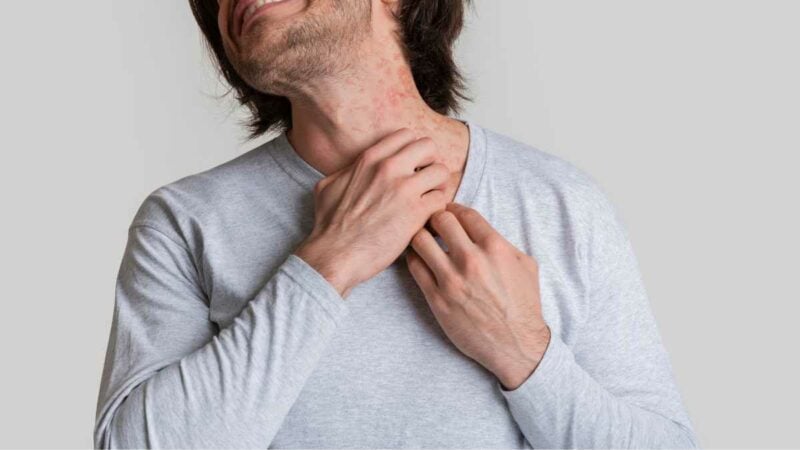
The clinical symptoms of nickel allergy typically manifest as contact dermatitis, characterized by redness, itching, and swelling at the site of exposure. Symptoms may appear within 24 to 48 hours after contact and can last for several weeks if not properly managed. In some cases, blisters may form, leading to oozing and crusting, which can exacerbate discomfort and increase the risk of secondary infections.
Diagnosis of nickel allergy is primarily conducted through patch testing, where small amounts of nickel are applied to the skin and monitored for reactions over a period of time. A positive reaction indicates an allergy, and the severity of the reaction can help guide treatment options. It is essential for healthcare providers to conduct thorough patient histories to identify potential sources of exposure and correlate them with reported symptoms.
In some cases, individuals may experience systemic reactions, such as hives or generalized itching, which can complicate the diagnosis. These systemic reactions are less common but highlight the importance of comprehensive evaluation by a healthcare professional.
Effective management of nickel allergy involves not only recognizing symptoms but also implementing strategies to avoid exposure. Patients are encouraged to maintain open communication with their healthcare providers to develop personalized management plans that address their specific needs and lifestyle.
Epidemiological Studies on Nickel Allergy Frequency
Epidemiological studies have provided valuable insights into the frequency of nickel allergy across different populations. Research indicates that the prevalence of nickel allergy has been increasing over the past few decades, particularly in industrialized countries. A comprehensive study conducted in Europe found that the prevalence of nickel allergy among women rose from 10% in the 1980s to over 20% in the 2000s.
Several factors contribute to this rising trend, including increased use of nickel in consumer products and changes in manufacturing practices. Additionally, the growing popularity of body piercings and the use of nickel-containing jewelry have likely played a role in the increased incidence of nickel allergy, particularly among young women.
Geographic differences in prevalence have also been documented. For instance, studies from Scandinavia report higher rates of nickel allergy compared to Southern European countries. This variation may be attributed to differences in environmental exposure, cultural practices, and regulatory measures regarding nickel use in consumer products.
Ongoing research is essential to further understand the epidemiology of nickel allergy and its implications for public health. Continued surveillance and data collection can help identify trends, inform prevention strategies, and guide policy decisions regarding nickel use in consumer products.
Strategies for Management and Prevention of Nickel Allergy
Managing nickel allergy primarily involves avoiding exposure to nickel-containing products. Individuals diagnosed with nickel allergy should be educated about the importance of identifying and eliminating sources of nickel in their daily lives. This may include opting for jewelry made from alternative materials such as titanium, surgical stainless steel, or plastic.
In addition to avoidance strategies, individuals can benefit from using protective barriers such as clear nail polish on jewelry that contains nickel. This can create a barrier between the skin and the metal, reducing the likelihood of an allergic reaction. Furthermore, individuals should be encouraged to read labels and inquire about the nickel content in cosmetics and personal care products.
Public health initiatives can play a critical role in raising awareness about nickel allergy and promoting nickel-free alternatives. Educational campaigns targeting high-risk populations, such as young women and those in specific occupations, can help disseminate information about the risks associated with nickel exposure.
Finally, healthcare providers should remain vigilant in diagnosing and managing nickel allergy, ensuring that patients receive appropriate care and support. By implementing these strategies, individuals can effectively manage their nickel allergy and minimize its impact on their daily lives.
Conclusions:
Nickel allergy is a prevalent condition that poses significant challenges for affected individuals and society as a whole. Understanding its frequency, demographics, common sources of exposure, clinical symptoms, and management strategies is essential for effective prevention and treatment. By raising awareness and promoting nickel-free alternatives, we can work towards reducing the incidence of this common allergy and improving the quality of life for those affected.
Read more
- American Academy of Dermatology – Nickel Allergy – A comprehensive overview of nickel allergy, its symptoms, and management strategies provided by a leading dermatology organization.
- National Institute of Health – Nickel Allergy – A detailed research article discussing the epidemiology and clinical aspects of nickel allergy.
- World Health Organization – Nickel Exposure – An informative fact sheet on nickel exposure and its health implications from the WHO.
- Centers for Disease Control and Prevention – Nickel Allergy – A resource from the CDC outlining occupational exposure and health effects related to nickel.
- DermNet NZ – Nickel Allergy – A specialized dermatology resource providing information on nickel allergy, including symptoms, diagnosis, and treatment options.