
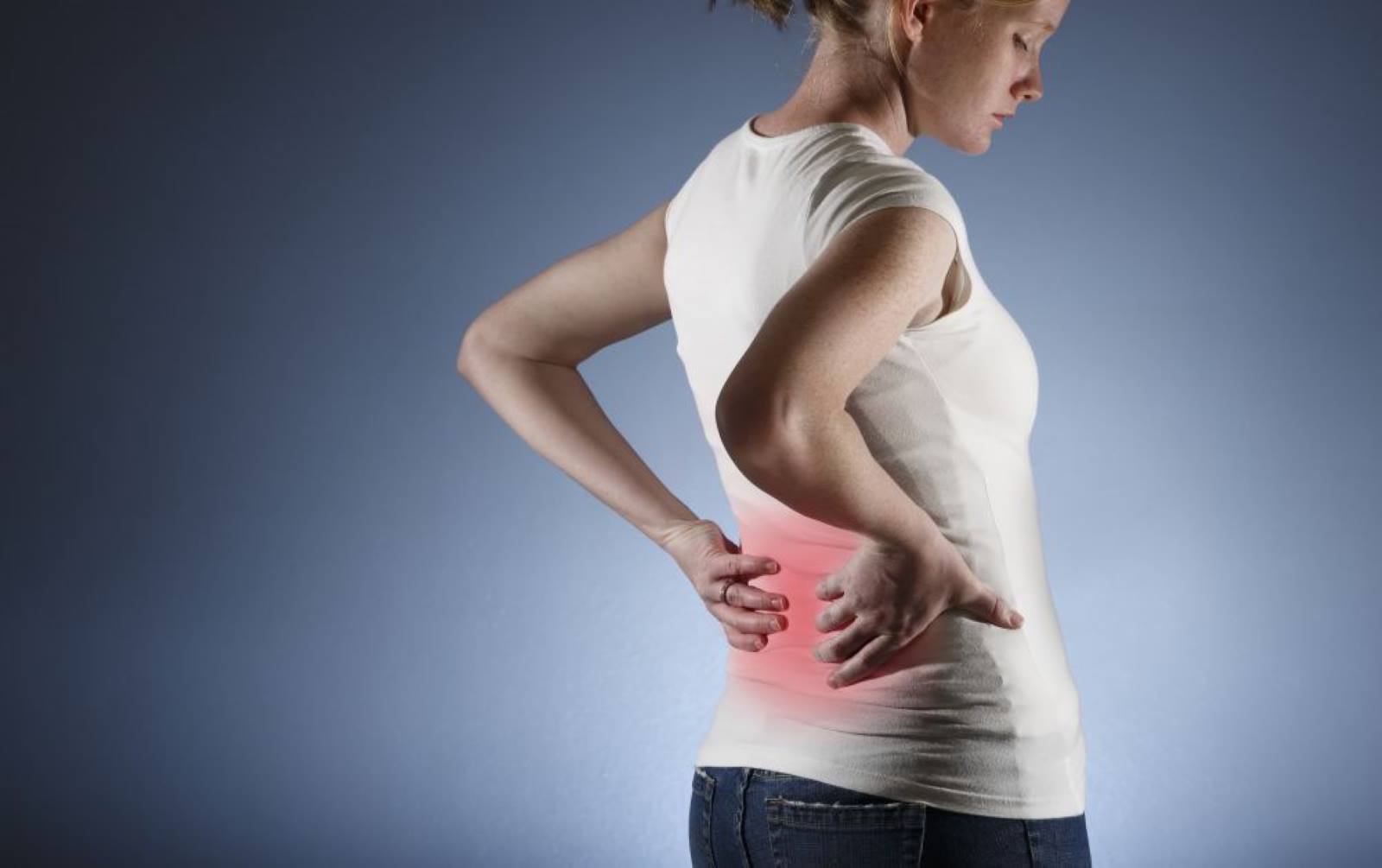


Introduction:
A herniated disc in the lower back is a condition that can lead to significant discomfort and pain, impacting daily life and mobility. Understanding the nature of this pain, its underlying mechanisms, and the available treatment options can empower individuals to seek appropriate care and manage their symptoms effectively. This article delves into the various aspects of pain associated with herniated discs, providing a comprehensive overview for those affected by this condition.
Understanding Herniated Discs: An Overview of Symptoms
A herniated disc occurs when the soft inner gel-like material of a spinal disc protrudes through a tear in the tougher exterior. This condition can lead to a variety of symptoms, primarily pain, which may radiate to other areas of the body. Common symptoms include localized pain in the lower back, numbness, tingling, and weakness in the legs. These symptoms arise due to the disc’s pressure on nearby nerves, which can lead to discomfort that varies in intensity.
In some cases, individuals may experience sciatica, characterized by pain that travels down the leg along the path of the sciatic nerve. This pain can be sharp, burning, or even debilitating, making it challenging to perform everyday activities. Other symptoms may include muscle spasms, stiffness, and difficulty standing or sitting for extended periods. Recognizing these symptoms early on is crucial for timely intervention.
The severity and nature of symptoms can vary widely among individuals. Some may experience mild discomfort, while others may find their pain to be severe and persistent. Factors such as the size of the herniation, the specific nerves affected, and individual pain tolerance all play a role in symptom presentation. Additionally, emotional factors such as stress and anxiety can exacerbate the perception of pain, making it essential to consider a holistic approach to treatment.
Understanding the symptoms associated with a herniated disc is the first step toward effective management. Early recognition and intervention can significantly improve outcomes, allowing individuals to regain their quality of life. Seeking medical advice upon noticing symptoms is vital to prevent further complications and to initiate appropriate treatment strategies.
Mechanisms of Pain: How Herniated Discs Affect Nerves
The pain associated with a herniated disc primarily stems from nerve compression. When the disc material protrudes, it can exert pressure on adjacent spinal nerves, leading to inflammation and pain. This pressure disrupts normal nerve function, resulting in the transmission of pain signals to the brain. The body’s response to this injury involves an inflammatory process, which can further amplify pain sensations.
In addition to direct pressure, the chemical environment surrounding the herniated disc can contribute to pain. The nucleus pulposus, the inner material of the disc, contains inflammatory proteins that can irritate nerve roots. This irritation can lead to a condition known as radiculopathy, where pain, numbness, and weakness occur along the path of the affected nerve. Understanding these mechanisms is crucial for developing targeted treatment approaches.
Moreover, the location of the herniated disc significantly influences the type and intensity of pain experienced. For instance, a herniation in the lumbar region may lead to different symptoms compared to one in the cervical region. The lumbar spine is responsible for bearing much of the body’s weight, making it particularly susceptible to injury and pain. The interplay between the herniated disc and the surrounding anatomical structures, such as muscles and ligaments, can also affect pain perception.
Ultimately, the mechanisms of pain associated with herniated discs underscore the complexity of this condition. A thorough understanding of how nerve compression and inflammation contribute to pain can inform effective treatment strategies and improve patient outcomes. This knowledge empowers both patients and healthcare providers to address the issue with a comprehensive approach.
Severity of Pain: Factors Influencing Individual Experiences
The severity of pain experienced by individuals with a herniated disc can vary significantly based on several factors. Individual pain tolerance, psychological state, and overall health can all influence how one perceives and responds to pain. For instance, individuals with a history of chronic pain may experience heightened sensitivity, making their pain feel more intense.
Another critical factor is the specific characteristics of the herniated disc itself. The size, location, and extent of the herniation can all impact the degree of nerve compression and, consequently, the severity of pain. Larger herniations that compress multiple nerve roots may lead to more severe symptoms than smaller herniations affecting only one nerve.
Additionally, lifestyle factors such as physical activity levels, body weight, and ergonomics play a role in pain severity. Individuals who maintain a healthy weight and engage in regular exercise may experience less severe pain compared to those who lead a sedentary lifestyle. Proper body mechanics and posture can also mitigate the risk of exacerbating pain.
Understanding these influencing factors is essential for developing personalized treatment plans. By addressing individual differences in pain perception and the characteristics of the herniation, healthcare providers can tailor interventions to improve outcomes and enhance the quality of life for those affected.
Diagnostic Approaches: Identifying Pain from Herniated Discs
To effectively manage pain from a herniated disc, accurate diagnosis is essential. Healthcare providers typically begin with a thorough medical history and physical examination to assess symptoms and functional limitations. During this evaluation, they may ask about the onset, duration, and intensity of pain, as well as any associated symptoms such as weakness or numbness.
Imaging studies, such as MRI or CT scans, are often employed to visualize the spine and confirm the presence of a herniated disc. These imaging techniques provide detailed information about the size and location of the herniation, as well as its impact on surrounding structures. This information is crucial for determining the most appropriate treatment approach.
In some cases, additional diagnostic tests may be necessary to rule out other potential causes of pain. Electromyography (EMG) and nerve conduction studies can help assess nerve function and identify any nerve damage associated with the herniated disc. These tests can provide valuable insights into the severity of the condition and guide treatment decisions.
Accurate diagnosis is vital for effective pain management. By utilizing a combination of clinical evaluation and imaging studies, healthcare providers can develop a comprehensive understanding of the patient’s condition and tailor treatment strategies accordingly. This thorough approach enhances the likelihood of successful outcomes and pain relief.
Treatment Options: Managing Pain from Lower Back Herniation
Managing pain from a herniated disc typically involves a combination of conservative and, in some cases, surgical treatment options. Initial conservative measures often include rest, physical therapy, and medications. Nonsteroidal anti-inflammatory drugs (NSAIDs) can help alleviate pain and reduce inflammation, while physical therapy can strengthen the muscles supporting the spine and improve flexibility.
In more severe cases, healthcare providers may recommend corticosteroid injections to provide temporary relief from pain and inflammation. These injections can help reduce nerve irritation and allow individuals to engage more effectively in physical therapy. However, it is essential to limit the number of injections to avoid potential side effects.
For individuals who do not respond to conservative treatments, surgical options may be considered. Surgery, such as a discectomy or laminectomy, aims to relieve pressure on the affected nerve and alleviate pain. While surgery can be effective, it is typically reserved for cases where conservative measures have failed, and the quality of life is significantly impacted.
Ultimately, the choice of treatment depends on the severity of symptoms, individual preferences, and overall health. A multidisciplinary approach that includes physical therapy, medication management, and, if necessary, surgical intervention can lead to optimal outcomes and improved quality of life. Open communication between patients and healthcare providers is essential for making informed decisions about treatment options.
Long-Term Prognosis: Pain Resolution and Recovery Strategies
The long-term prognosis for individuals with a herniated disc varies based on several factors, including the severity of the herniation, the effectiveness of treatment, and individual health conditions. Many individuals experience significant pain relief and functional improvement with appropriate treatment. In fact, studies suggest that a substantial percentage of patients achieve satisfactory outcomes within six months to a year.
However, some individuals may continue to experience chronic pain or recurring episodes. Factors such as age, lifestyle, and adherence to rehabilitation programs can influence recovery. Engaging in regular exercise, maintaining a healthy weight, and practicing good posture can help prevent future episodes and promote long-term spinal health.
For those who have undergone surgery, rehabilitation is crucial for a successful recovery. Physical therapy plays a vital role in restoring strength, flexibility, and function. Patients are often encouraged to gradually return to their normal activities while avoiding movements that may exacerbate pain.
Ultimately, a proactive approach to recovery can lead to improved outcomes and a better quality of life. By understanding the importance of ongoing care and lifestyle modifications, individuals can take steps to manage their condition effectively and minimize the risk of future complications. Support from healthcare providers, family, and peers can also play a significant role in the recovery journey.
Conclusions:
Understanding the pain associated with a herniated disc in the lower back is essential for effective management and recovery. By recognizing the symptoms, mechanisms of pain, and the factors influencing individual experiences, patients can engage in informed discussions with their healthcare providers. A combination of diagnostic approaches and treatment options can lead to significant pain relief and improved quality of life. With proactive strategies and ongoing care, individuals can navigate the challenges of a herniated disc and work towards long-term recovery.
Read more
-
Mayo Clinic – Herniated Disk – A comprehensive overview of herniated discs, including symptoms, causes, and treatment options.
-
Cleveland Clinic – Herniated Disc – Detailed information on the diagnosis and treatment of herniated discs, along with patient resources.
-
National Institute of Neurological Disorders and Stroke – Herniated Disc – Insights into the neurological aspects of herniated discs and their management.
-
WebMD – Herniated Disc – A patient-friendly resource outlining symptoms, causes, and treatment options for herniated discs.