
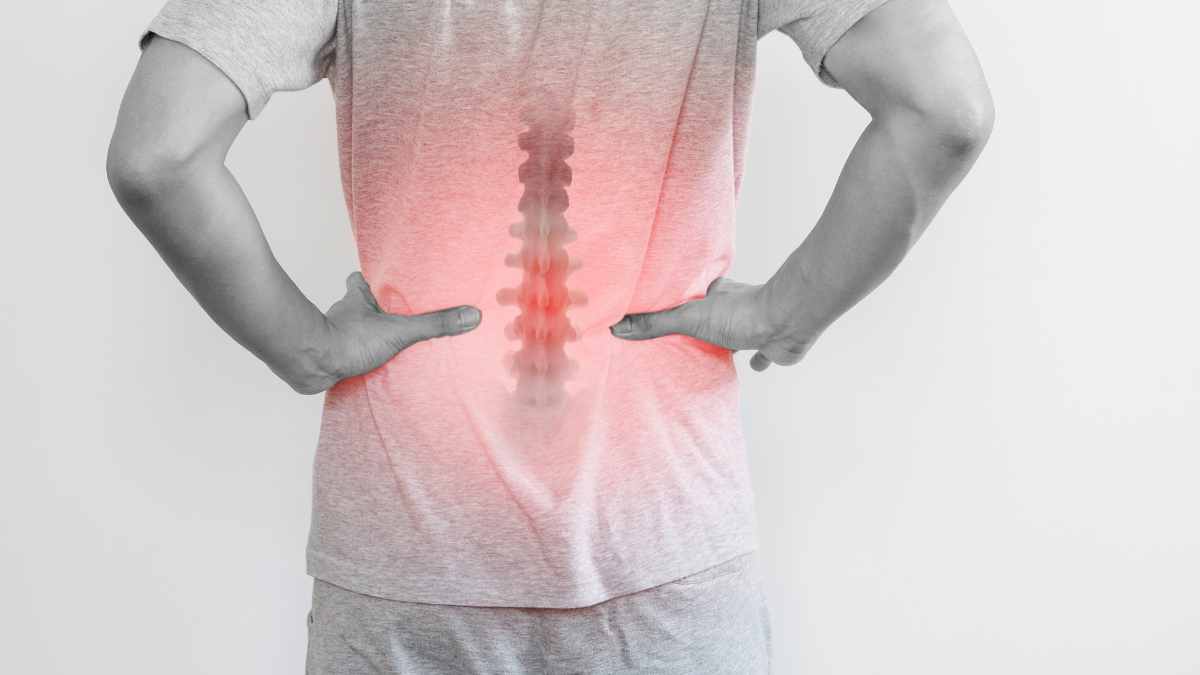


Introduction:
A herniated disc in the lower back, often referred to as a lumbar disc herniation, is a common condition that can lead to a variety of symptoms affecting daily activities and overall quality of life. Understanding the sensations and implications associated with this condition is crucial for both patients and healthcare providers. This article will delve into the symptoms of a lower back herniated disc, including pain, muscle weakness, numbness, and how to differentiate this condition from other back issues.
Understanding Herniated Discs: An Overview of Symptoms
A herniated disc occurs when the soft inner gel of the disc protrudes through a tear in the tougher exterior, potentially pressing on nearby nerves. This can lead to a range of symptoms that vary in intensity and duration. The most common symptom is pain, which can be localized to the lower back or radiate to other areas. Patients often describe the pain as sharp, burning, or aching, and it may worsen with certain movements or prolonged sitting.
In addition to pain, individuals may experience stiffness in the lower back. This stiffness can limit mobility and make it difficult to perform routine tasks, such as bending or lifting. The discomfort can also lead to changes in posture as individuals instinctively try to avoid movements that exacerbate their symptoms. Understanding these initial signs is essential for early diagnosis and intervention.
Pain from a herniated disc may not be constant; it can fluctuate based on activity levels and positions. For instance, activities that involve heavy lifting or twisting can intensify the pain, while lying down may provide some relief. This variability can often confuse patients, leading them to underestimate the severity of their condition.
Lastly, the emotional impact of dealing with chronic pain should not be overlooked. Many patients report feelings of frustration, anxiety, or depression as they navigate their symptoms and seek effective treatment. Recognizing the psychological aspects of living with a herniated disc is vital for comprehensive care.
Common Sensations Associated with Lower Back Herniation
The sensation of pain is often accompanied by other physical feelings that can vary significantly among individuals. Dull aches and sharp pains are common, but some patients describe a feeling of heaviness in the lower back. This heaviness can be particularly pronounced after long periods of standing or sitting, leading to increased discomfort.
Muscle spasms are another sensation frequently associated with lower back herniation. These involuntary contractions can occur in the muscles surrounding the spine, causing additional pain and discomfort. Spasms can be triggered by movements that strain the back or by prolonged inactivity. Patients often find themselves in a cycle of pain and muscle tension that can be challenging to break.
In some cases, patients may also experience a sensation of instability in their lower back. This feeling can manifest as a lack of support or control when moving, making it difficult to perform everyday activities. Such sensations can lead to a fear of movement, further contributing to reduced activity levels and potential complications.
Finally, the combination of these sensations can lead to a profound impact on a patient’s quality of life. The inability to engage in physical activities or perform daily tasks can result in social isolation and decreased overall well-being. Understanding these sensations is crucial for patients to communicate effectively with their healthcare providers.
Radiating Pain: The Pathway of Nerve Involvement
When a disc herniates, it can impinge on nearby nerves, leading to radiating pain that extends beyond the lower back. This pain often travels down the leg, following the path of the affected nerve root. Patients may describe this sensation as a sharp or electric shock-like pain that can be debilitating.
The specific location of the radiating pain can provide valuable diagnostic information. For example, pain that travels down the back of the thigh and into the calf may indicate involvement of the sciatic nerve, a condition commonly referred to as sciatica. Understanding these patterns can help healthcare providers tailor treatment strategies.
In addition to pain, patients may experience increased sensitivity in the affected areas. This heightened sensitivity can make even light touch feel uncomfortable or painful, complicating the management of daily activities. Patients may find themselves avoiding certain movements or positions that exacerbate their symptoms.
Moreover, the intensity of radiating pain can vary greatly, with some individuals experiencing intermittent discomfort while others may have persistent, severe pain. This variability can influence treatment decisions and the overall management of the condition, highlighting the need for personalized care plans.
Muscle Weakness: Implications of Nerve Compression
Nerve compression due to a herniated disc can lead to muscle weakness in the lower extremities. This weakness may manifest as difficulty in performing specific movements, such as lifting the foot or standing on the toes. Patients often report a feeling of heaviness or fatigue in the affected leg, which can significantly impact mobility.
The degree of muscle weakness can vary depending on the severity of the herniation and the specific nerves affected. In some cases, weakness may be subtle, while in others, it can be pronounced enough to affect balance and coordination. This can lead to an increased risk of falls and injuries, particularly in older adults.
Additionally, muscle weakness can contribute to compensatory movements as patients attempt to adapt to their limitations. These compensatory strategies can place additional strain on other muscles and joints, potentially leading to secondary injuries or conditions. Understanding this aspect of herniated discs is crucial for developing comprehensive rehabilitation strategies.
Finally, addressing muscle weakness through targeted physical therapy and rehabilitation exercises can help restore strength and function. Early intervention is essential to prevent long-term complications and improve overall outcomes for patients with a herniated disc.
Numbness and Tingling: Neurological Manifestations Explained
Numbness and tingling sensations, often described as paresthesia, are common neurological manifestations associated with lower back herniation. These sensations typically occur in the areas served by the affected nerve roots, often extending into the legs and feet. Patients may describe these feelings as pins and needles or a loss of sensation in specific regions.
The presence of numbness and tingling can indicate that the herniated disc is exerting pressure on the spinal nerves. This pressure disrupts normal nerve function, leading to altered sensory perceptions. Understanding these sensations is vital for both patients and healthcare providers, as they can serve as indicators of the severity of nerve involvement.
In some cases, numbness may be accompanied by a loss of coordination or difficulty in performing fine motor tasks, such as buttoning a shirt or holding a pen. This can significantly impact a patient’s daily life and may necessitate adaptations or assistive devices to maintain independence.
While numbness and tingling can be alarming, they often respond well to conservative treatments, such as physical therapy and pain management strategies. However, persistent or worsening symptoms may require further evaluation, including imaging studies, to assess the extent of nerve involvement and guide treatment decisions.
Distinguishing Herniated Discs from Other Back Conditions
Differentiating a herniated disc from other back conditions is crucial for effective treatment. Conditions such as muscle strains, spinal stenosis, and degenerative disc disease can present with similar symptoms, making accurate diagnosis essential. A thorough clinical evaluation, including a detailed history and physical examination, is necessary to identify the underlying cause of the symptoms.
One key distinguishing feature of a herniated disc is the specific pattern of pain and neurological symptoms. Unlike muscle strains, which typically cause localized pain without radiating symptoms, herniated discs often lead to radiating pain, numbness, and weakness in the legs. Understanding these differences can help patients communicate their symptoms more effectively to healthcare providers.
Imaging studies, such as MRI or CT scans, can also play a critical role in confirming a diagnosis. These imaging modalities can reveal the presence of a herniated disc and assess the degree of nerve compression. However, it is essential to interpret these findings in the context of the patient’s clinical presentation, as not all herniated discs cause symptoms.
Finally, a multidisciplinary approach to treatment is often beneficial. Collaborating with physical therapists, pain specialists, and orthopedic surgeons can provide a comprehensive management plan tailored to the patient’s specific needs. This approach can help ensure that patients receive the most appropriate and effective care for their condition.
Conclusions:
A lower back herniated disc can lead to a complex array of symptoms, including pain, muscle weakness, numbness, and tingling. Understanding these sensations is crucial for both patients and healthcare providers to ensure accurate diagnosis and effective treatment. By recognizing the unique characteristics of herniated discs and differentiating them from other back conditions, patients can better navigate their treatment options and work towards improved quality of life.
Read more:
- Mayo Clinic: Herniated Disk – A comprehensive overview of symptoms and treatment options for herniated discs.
- Cleveland Clinic: Herniated Disc – Detailed information on the causes, symptoms, and management of herniated discs.
- Spine-Health: Herniated Disc – Articles and resources on herniated discs, including patient education and treatment options.
- National Institute of Neurological Disorders and Stroke: Herniated Discs – Information on the neurological aspects of herniated discs and their impact on health.