


Introduction:
Cellulite is a common concern, particularly among women, and it often leads to a quest for effective management strategies. While various factors contribute to the development of cellulite, diet plays a crucial role. This article delves into the impact of dietary fats and carbohydrates on cellulite, comparing their metabolic effects and providing practical dietary recommendations for reducing cellulite.
Understanding Cellulite: Causes and Contributing Factors
Cellulite is a condition characterized by the dimpled appearance of the skin, primarily affecting the thighs, buttocks, and abdomen. It results from the interaction between connective tissue and fat cells beneath the skin. Several factors contribute to the development of cellulite, including genetics, hormonal changes, and lifestyle choices.
Genetics play a significant role in determining the likelihood of developing cellulite. If your family members have cellulite, you are more likely to experience it as well. Hormonal changes, particularly those related to estrogen, can also influence the formation of cellulite. Estrogen affects the blood vessels, fat distribution, and connective tissue, all of which are relevant to cellulite development.
Lifestyle factors such as diet, physical activity, and hydration levels are crucial in managing cellulite. A diet high in processed foods, sugars, and unhealthy fats can exacerbate cellulite, while regular exercise and proper hydration can help reduce its appearance. Smoking and excessive alcohol consumption can also negatively impact skin health and contribute to cellulite.
The structure of connective tissue and the distribution of fat cells differ between men and women, making women more prone to cellulite. Women’s connective tissue is arranged in a way that allows fat cells to protrude into the dermis, creating the characteristic dimpled appearance. Additionally, women tend to have higher body fat percentages than men, further increasing the likelihood of cellulite.
Poor circulation and lymphatic drainage can contribute to the accumulation of toxins and fluids in the tissue, exacerbating the appearance of cellulite. Maintaining good circulation through regular exercise and massage can help mitigate these effects. Stress and lack of sleep can also negatively impact skin health and contribute to the development of cellulite.
Overall, understanding the various causes and contributing factors of cellulite is essential for effective management. By addressing these factors through lifestyle changes, including diet and exercise, it is possible to reduce the appearance of cellulite and improve skin health.
The Role of Dietary Fats in Cellulite Formation
Dietary fats are often blamed for contributing to cellulite, but not all fats are created equal. There are different types of fats, including saturated fats, trans fats, monounsaturated fats, and polyunsaturated fats, each with distinct effects on the body. Understanding the role of these fats in cellulite formation is crucial for making informed dietary choices.
Saturated fats, found in animal products like meat and dairy, can contribute to the development of cellulite when consumed in excess. These fats can increase the size of fat cells and promote inflammation, both of which can worsen the appearance of cellulite. Limiting the intake of saturated fats is advisable for those looking to manage cellulite.
Trans fats, often found in processed and fried foods, are particularly harmful to skin health. These fats can increase inflammation and promote the accumulation of fat in the body, exacerbating cellulite. Avoiding trans fats is essential for maintaining healthy skin and reducing cellulite.
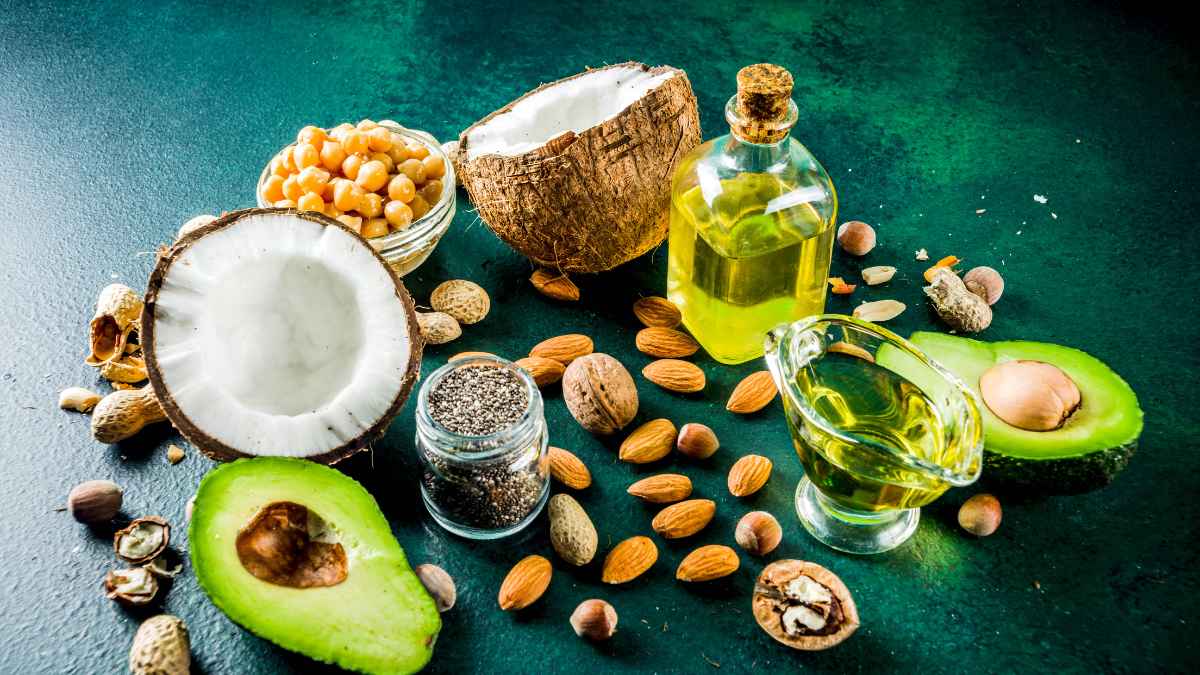
Monounsaturated fats, found in foods like olive oil, avocados, and nuts, can have beneficial effects on skin health. These fats help maintain the integrity of cell membranes and reduce inflammation, which can improve the appearance of cellulite. Including monounsaturated fats in your diet can support overall skin health.
Polyunsaturated fats, including omega-3 and omega-6 fatty acids, are also important for skin health. Omega-3 fatty acids, found in fatty fish, flaxseeds, and walnuts, have anti-inflammatory properties that can help reduce cellulite. Omega-6 fatty acids, found in vegetable oils and seeds, should be consumed in moderation to maintain a healthy balance with omega-3s.
Overall, the type and amount of dietary fats consumed can significantly impact the development and appearance of cellulite. Focusing on healthy fats while limiting unhealthy fats can support skin health and reduce cellulite.
Carbohydrates: Impact on Cellulite Development
Carbohydrates are a primary source of energy for the body, but their impact on cellulite development can vary depending on the type and amount consumed. Simple carbohydrates, such as sugars and refined grains, can contribute to cellulite, while complex carbohydrates, such as whole grains and vegetables, can support skin health.
Simple carbohydrates, found in foods like candy, pastries, and sugary drinks, can lead to spikes in blood sugar levels. These spikes can promote the storage of fat and increase inflammation, both of which can exacerbate cellulite. Reducing the intake of simple carbohydrates is advisable for managing cellulite.
Refined grains, such as white bread and pasta, are also considered simple carbohydrates. These foods have been stripped of their fiber and nutrients, leading to rapid digestion and blood sugar spikes. Choosing whole grain alternatives can help maintain stable blood sugar levels and support skin health.
Complex carbohydrates, found in whole grains, legumes, and vegetables, provide a steady source of energy and are rich in fiber. Fiber helps regulate blood sugar levels and supports healthy digestion, which can reduce the risk of cellulite. Including a variety of complex carbohydrates in your diet can support overall health and reduce cellulite.
The glycemic index (GI) of carbohydrates is another important factor to consider. Foods with a high GI cause rapid increases in blood sugar levels, while foods with a low GI have a more gradual effect. Choosing low-GI foods can help maintain stable blood sugar levels and reduce the risk of cellulite.
Insulin resistance, a condition where the body’s cells become less responsive to insulin, can also contribute to cellulite. High intake of simple carbohydrates can lead to insulin resistance, promoting fat storage and inflammation. Managing carbohydrate intake and choosing low-GI foods can help prevent insulin resistance and reduce cellulite.
Overall, the type and amount of carbohydrates consumed can significantly impact cellulite development. Focusing on complex carbohydrates and low-GI foods while limiting simple carbohydrates can support skin health and reduce cellulite.
Comparing Fats and Carbohydrates: Metabolic Effects
The metabolic effects of fats and carbohydrates differ significantly, influencing their impact on cellulite development. Understanding these differences can help inform dietary choices for managing cellulite.
Fats are more energy-dense than carbohydrates, providing 9 calories per gram compared to 4 calories per gram for carbohydrates. This higher energy density means that consuming large amounts of fats can lead to increased calorie intake and potential weight gain, which can exacerbate cellulite. However, the type of fat consumed is crucial, as healthy fats can support skin health.
Carbohydrates are the body’s primary source of energy and are essential for fueling physical activity. However, excessive consumption of simple carbohydrates can lead to rapid increases in blood sugar levels and promote fat storage. This can contribute to the development of cellulite, particularly when combined with a sedentary lifestyle.
The body’s metabolic response to fats and carbohydrates also differs. Fats are metabolized more slowly than carbohydrates, providing a sustained source of energy. This slow metabolism can help maintain stable blood sugar levels and reduce the risk of insulin resistance, which is beneficial for managing cellulite.
Carbohydrates, particularly simple carbohydrates, are metabolized quickly, leading to rapid spikes in blood sugar levels. These spikes can trigger the release of insulin, promoting fat storage and inflammation. Managing carbohydrate intake and choosing complex carbohydrates can help maintain stable blood sugar levels and reduce the risk of cellulite.
The balance between fats and carbohydrates in the diet is also important. A diet too high in either macronutrient can lead to weight gain and increased fat storage, exacerbating cellulite. A balanced diet that includes healthy fats and complex carbohydrates can support overall health and reduce the risk of cellulite.
Overall, understanding the metabolic effects of fats and carbohydrates can help inform dietary choices for managing cellulite. Focusing on healthy fats and complex carbohydrates while maintaining a balanced diet can support skin health and reduce the appearance of cellulite.
Scientific Evidence: Diet and Cellulite Management
Scientific evidence supports the role of diet in managing cellulite. Several studies have investigated the impact of dietary fats and carbohydrates on cellulite development and the effectiveness of dietary interventions in reducing its appearance.
A study published in the "Journal of Cosmetic Dermatology" found that a diet high in saturated fats and simple carbohydrates was associated with increased cellulite severity. The researchers concluded that reducing the intake of these macronutrients could help improve the appearance of cellulite.
Another study published in "Dermatologic Surgery" examined the effects of omega-3 fatty acids on cellulite. The researchers found that participants who consumed a diet rich in omega-3s experienced a significant reduction in cellulite compared to those who did not. The anti-inflammatory properties of omega-3s were believed to contribute to this improvement.
Research published in the "International Journal of Cosmetic Science" investigated the impact of a low-glycemic diet on cellulite. The study found that participants who followed a low-GI diet experienced a reduction in cellulite and improved skin elasticity. The researchers suggested that stable blood sugar levels and reduced inflammation contributed to these benefits.
A review published in "Nutrition Research Reviews" examined the role of antioxidants in cellulite management. The review found that a diet rich in antioxidants, such as vitamins C and E, could help improve skin health and reduce the appearance of cellulite. Antioxidants help protect the skin from oxidative stress and support collagen production.
Overall, scientific evidence supports the role of diet in managing cellulite. Reducing the intake of saturated fats and simple carbohydrates, increasing the consumption of omega-3 fatty acids, and following a low-GI diet can help improve skin health and reduce the appearance of cellulite.
Practical Dietary Recommendations for Reducing Cellulite
Based on the scientific evidence and understanding of the metabolic effects of fats and carbohydrates, several practical dietary recommendations can help reduce cellulite.
First, focus on reducing the intake of saturated fats and trans fats. Limit the consumption of red meat, full-fat dairy products, and processed foods. Instead, choose lean protein sources, such as chicken, fish, and plant-based proteins, and opt for low-fat or fat-free dairy products.
Second, increase the consumption of healthy fats, particularly omega-3 fatty acids. Include fatty fish, such as salmon and mackerel, in your diet, as well as plant-based sources like flaxseeds, chia seeds, and walnuts. These fats have anti-inflammatory properties that can help improve skin health and reduce cellulite.
Third, reduce the intake of simple carbohydrates and refined grains. Avoid sugary foods and beverages, and choose whole grain alternatives to white bread, pasta, and rice. Incorporate a variety of complex carbohydrates, such as whole grains, legumes, and vegetables, into your diet to maintain stable blood sugar levels and support skin health.
Fourth, follow a low-glycemic diet to help manage blood sugar levels and reduce inflammation. Choose low-GI foods, such as whole grains, legumes, and non-starchy vegetables, and avoid high-GI foods, such as sugary snacks and refined grains. This can help prevent insulin resistance and reduce the risk of cellulite.
Fifth, include antioxidant-rich foods in your diet to support skin health. Fruits and vegetables, particularly those high in vitamins C and E, can help protect the skin from oxidative stress and support collagen production. Berries, citrus fruits, nuts, and seeds are excellent sources of antioxidants.
Finally, stay hydrated to support overall skin health. Drinking plenty of water helps maintain skin elasticity and can reduce the appearance of cellulite. Aim for at least eight glasses of water per day, and consider incorporating hydrating foods, such as cucumbers and watermelon, into your diet.
By following these practical dietary recommendations, you can support skin health and reduce the appearance of cellulite. A balanced diet that includes healthy fats, complex carbohydrates, and antioxidant-rich foods, combined with proper hydration, can help manage cellulite effectively.
Conclusion:
Managing cellulite requires a comprehensive approach that includes dietary modifications. By understanding the impact of dietary fats and carbohydrates on cellulite and making informed dietary choices, it is possible to improve skin health and reduce the appearance of cellulite. Focusing on healthy fats, complex carbohydrates, and antioxidant-rich foods, while staying hydrated, can support overall skin health and help manage cellulite effectively.
Read More…
- Journal of Cosmetic Dermatology – A peer-reviewed journal that publishes research on cosmetic dermatology, including studies on diet and cellulite.
- Dermatologic Surgery – A journal that covers clinical and research aspects of dermatologic surgery, including the effects of omega-3 fatty acids on cellulite.
- International Journal of Cosmetic Science – A journal that publishes research on cosmetic science, including the impact of low-glycemic diets on cellulite.
- Nutrition Research Reviews – A journal that reviews current research in nutrition, including the role of antioxidants in cellulite management.
- National Institutes of Health (NIH) – A reliable source of information on health and nutrition, providing access to a wide range of scientific studies and reviews on diet and cellulite.