

Introduction:
Nickel is a widely used metal found in various products, including jewelry, coins, and electronic devices. While many people can handle nickel without any adverse effects, a significant portion of the population exhibits sensitivity to this metal. Exposure to nickel can lead to a range of symptoms, primarily affecting the skin but also potentially involving systemic reactions. Understanding the implications of nickel exposure is crucial for those who may be at risk, as well as for healthcare providers who diagnose and manage nickel allergies.
Understanding Nickel Exposure and Its Health Implications
Nickel exposure occurs through various routes, including dermal contact, inhalation, and ingestion. Occupational exposure is particularly common in industries such as metalworking, electronics, and jewelry manufacturing. Individuals may also encounter nickel in everyday items, such as clothing fasteners, watches, and certain foods. The health implications of nickel exposure can range from localized skin reactions to more generalized systemic symptoms, depending on the individual’s sensitivity.
The prevalence of nickel allergy is estimated to be around 10-20% of the population, with a higher incidence in women, likely due to increased exposure from jewelry. The sensitization process can take time, meaning that individuals may not experience symptoms until they have been exposed to nickel multiple times. Understanding the sources of nickel exposure is essential for prevention and management of allergic reactions.
In addition to allergic reactions, nickel exposure has been linked to other health concerns, including respiratory issues and potential carcinogenic effects. Regulatory agencies have established guidelines for occupational exposure limits to mitigate these risks. Awareness of nickel’s health implications is vital for both individuals and employers to ensure safe working and living environments.
Finally, the biological mechanisms underlying nickel allergy involve complex immune responses. When nickel comes into contact with the skin, it can bind to proteins, altering their structure and triggering an immune response. This process is particularly relevant for those with a predisposition to allergic reactions, making it essential to understand the nuances of nickel exposure and its potential health effects.
Common Dermatological Reactions to Nickel Allergen
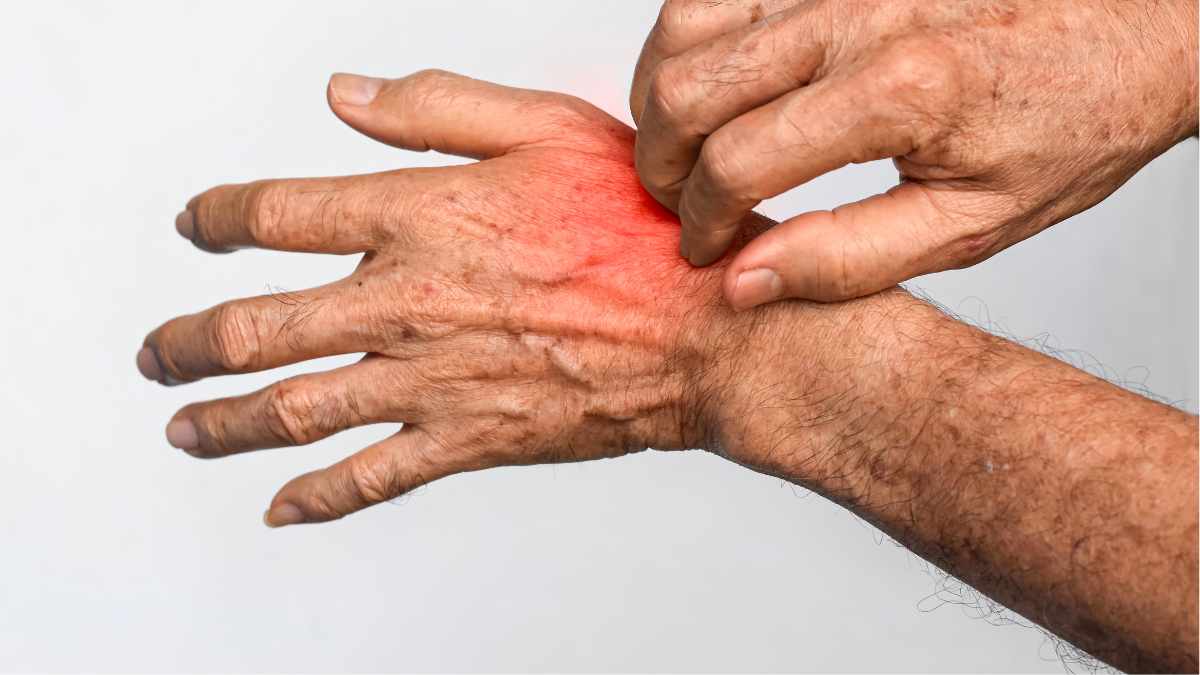
The most common symptom associated with nickel exposure is contact dermatitis, characterized by redness, itching, and inflammation of the skin. This condition typically manifests in areas where nickel-containing items make contact with the skin, such as earlobes, wrists, and neck. The rash may develop within hours to days after exposure, depending on the individual’s sensitivity.
In addition to contact dermatitis, some individuals may experience vesicular lesions or blisters, which can be painful and lead to secondary infections if scratched. The severity of the reaction can vary widely among individuals, with some experiencing mild irritation while others may suffer from extensive skin eruptions. The chronic form of nickel allergy can lead to persistent eczema-like symptoms, complicating the management of the condition.
Moreover, the psychological impact of visible skin reactions should not be underestimated. Individuals with noticeable rashes may experience anxiety or social stigma, further exacerbating their condition. Education on avoiding nickel exposure is crucial for those diagnosed with nickel allergy, as it empowers them to manage their symptoms effectively.
In clinical practice, dermatologists often conduct patch testing to confirm a nickel allergy. This involves applying nickel to a small area of the skin and monitoring for reactions over several days. Accurate diagnosis is essential for developing a personalized management plan to alleviate symptoms and prevent future exposure.
Systemic Symptoms Associated with Nickel Sensitivity
While dermatological reactions are the most common manifestations of nickel allergy, systemic symptoms can also occur, particularly in individuals with more severe sensitivities. These symptoms may include headaches, fatigue, and gastrointestinal disturbances. Some patients report experiencing systemic reactions even after minimal exposure to nickel, indicating a heightened sensitivity.
In rare cases, nickel exposure can trigger anaphylactic reactions, which are life-threatening and require immediate medical attention. Symptoms of anaphylaxis may include difficulty breathing, swelling of the throat, and a rapid drop in blood pressure. Although these severe reactions are uncommon, they underscore the importance of recognizing and addressing nickel allergies promptly.
Additionally, some studies suggest a potential link between nickel exposure and autoimmune disorders. Individuals with existing autoimmune conditions may find that nickel exacerbates their symptoms, leading to increased inflammation and discomfort. This relationship highlights the need for further research into the broader health implications of nickel sensitivity.
Understanding the systemic effects of nickel is crucial for healthcare providers, as it allows for a more comprehensive approach to patient care. Patients presenting with unexplained systemic symptoms may benefit from an evaluation of their exposure to nickel and other potential allergens, leading to more effective management strategies.
Mechanisms of Nickel-Induced Allergic Reactions
The mechanisms behind nickel-induced allergic reactions are primarily rooted in the immune system’s response to nickel ions. When nickel comes into contact with the skin, it can bind to proteins, forming new structures that the immune system recognizes as foreign. This process activates T-cells, which play a crucial role in the allergic response.
Once sensitized, the immune system retains a memory of the nickel exposure, leading to a quicker and more intense reaction upon subsequent exposures. This delayed-type hypersensitivity is characteristic of contact allergies and is mediated by T-helper cells. The inflammatory response can result in the symptoms commonly associated with nickel allergy, including redness, swelling, and itching.
Research has shown that genetic factors may also play a role in an individual’s susceptibility to nickel allergy. Certain genetic markers have been associated with a higher likelihood of developing an allergic response to nickel, suggesting that some individuals may be predisposed to this condition. Understanding these genetic factors can help inform future treatment and prevention strategies.
Furthermore, the role of environmental factors, such as skin barrier integrity and the presence of other allergens, can influence the severity of nickel allergies. For instance, skin that is already compromised due to eczema or other conditions may be more susceptible to nickel-induced reactions. This interplay of genetic and environmental factors underscores the complexity of nickel allergy and the need for a multifaceted approach to management.
Diagnosing Nickel Allergy: Clinical Considerations
Diagnosing nickel allergy typically involves a thorough patient history and physical examination, focusing on the timing and location of symptoms. Healthcare providers often inquire about the patient’s exposure to nickel-containing items, such as jewelry, clothing, and occupational materials. A detailed history can provide valuable insights into potential triggers.
Patch testing is the gold standard for diagnosing nickel allergy. During this procedure, small amounts of nickel are applied to the skin, and the area is monitored for reactions over several days. A positive reaction, characterized by redness and swelling, confirms the diagnosis of nickel allergy. It is essential for healthcare providers to interpret the results carefully, considering the patient’s clinical history and other potential allergens.
In some cases, patients may present with atypical symptoms or delayed reactions, complicating the diagnostic process. Healthcare providers must remain vigilant for these atypical presentations and consider additional testing or referrals to allergists or dermatologists when necessary. A multidisciplinary approach can enhance diagnostic accuracy and improve patient outcomes.
Finally, ongoing education about nickel allergy is paramount for both patients and healthcare providers. Awareness of the condition, its triggers, and management strategies can empower individuals to make informed decisions about their health and minimize exposure to nickel.
Management Strategies for Nickel Allergy Symptoms
Managing nickel allergy involves a combination of avoidance strategies and symptomatic treatments. The most effective way to prevent allergic reactions is to avoid direct contact with nickel-containing items. Patients are advised to choose nickel-free alternatives for jewelry, clothing fasteners, and other common items. Educating patients about the various sources of nickel exposure is crucial for effective management.
When symptoms do occur, topical corticosteroids are often prescribed to reduce inflammation and alleviate itching. These medications can provide significant relief for localized skin reactions. In more severe cases, oral corticosteroids may be necessary to manage widespread dermatitis or systemic symptoms. It is essential for healthcare providers to tailor treatment plans to the individual patient’s needs.
In addition to pharmacological treatments, moisturizers and barrier creams can help protect the skin and maintain its integrity. Patients with compromised skin barriers due to eczema or other conditions may benefit from these products, as they can reduce the likelihood of nickel penetration and subsequent allergic reactions.
Finally, ongoing follow-up and support are essential for individuals with nickel allergy. Regular check-ins with healthcare providers can help monitor symptoms, assess the effectiveness of management strategies, and provide additional education on avoiding nickel exposure. A proactive approach can significantly improve the quality of life for those affected by nickel allergy.
Conclusions:
Nickel allergy is a prevalent condition that can lead to a range of symptoms, primarily affecting the skin but potentially involving systemic reactions as well. Understanding the mechanisms behind nickel-induced allergic reactions and the various management strategies available is crucial for both patients and healthcare providers. By recognizing the common symptoms and implementing effective avoidance strategies, individuals can significantly reduce their risk of experiencing adverse reactions to nickel.
Read more:
- American Academy of Dermatology – Nickel Allergy – Comprehensive information on nickel allergy, including symptoms, diagnosis, and management strategies.
- World Allergy Organization – Nickel Allergy – An overview of allergic reactions to nickel, including research and guidelines for management.
- National Institute of Health – Nickel Allergy – Research articles and studies on nickel allergy, its prevalence, and health implications.
- Centers for Disease Control and Prevention – Nickel Exposure – Information on occupational exposure to nickel and associated health risks.
- Mayo Clinic – Allergic Contact Dermatitis – Detailed information on allergic contact dermatitis, including causes, symptoms, and treatment options.