Introduction:
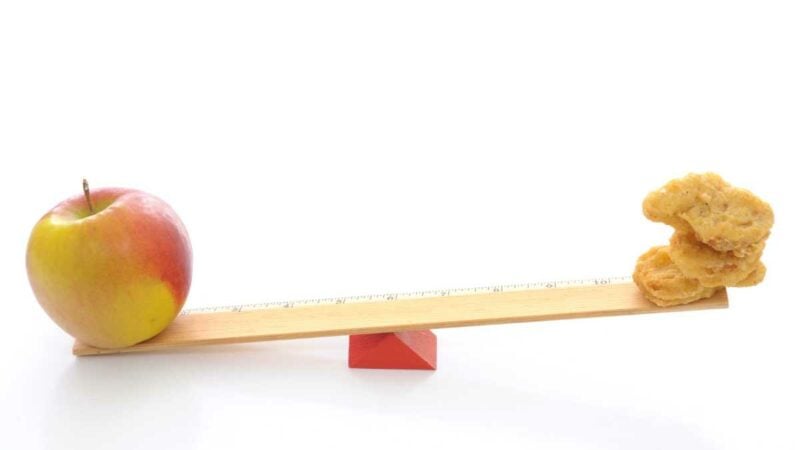
Weight loss is often perceived as a straightforward equation of calories in versus calories out. However, the relationship between caloric intake and weight loss is far more complex. Many individuals seeking to shed pounds may resort to drastically reducing their caloric intake, believing that fewer calories will lead to faster results. Yet, this approach can sometimes backfire, leading to stagnation or even weight gain. Understanding the mechanisms behind caloric deficit, metabolism, and the physiological and psychological responses to severe caloric restriction is essential for anyone looking to achieve sustainable weight loss.
Understanding Caloric Deficit and Weight Loss Mechanisms
A caloric deficit occurs when the number of calories consumed is less than the number of calories expended. This deficit is fundamental for weight loss, as it forces the body to utilize stored fat for energy. However, the size of the deficit plays a critical role in determining the effectiveness and sustainability of weight loss. A moderate caloric deficit is generally recommended, as it allows for gradual weight loss while minimizing potential negative side effects.
When individuals drastically cut calories, they may initially experience weight loss due to the rapid depletion of glycogen stores and water weight. However, this quick drop can lead to a plateau as the body adapts to the lower caloric intake. Understanding the balance between caloric intake and expenditure is crucial for long-term success. A well-structured weight loss plan should incorporate not just a caloric deficit but also an awareness of nutrient quality and overall health.
Moreover, the concept of "starvation mode" is often discussed in the context of severe caloric restriction. This term refers to the body’s adaptive response to prolonged low energy availability, where metabolic rate decreases to conserve energy. This adaptation can hinder weight loss efforts, making it essential to find a balance that promotes fat loss without triggering these protective mechanisms.
Lastly, it is vital to recognize that weight loss is not solely about calories. Factors such as hormonal balance, sleep quality, and stress levels also play significant roles in how the body responds to caloric deficits. A holistic approach to weight loss that considers these factors is more likely to yield sustainable results.
The Role of Metabolism in Caloric Intake and Expenditure
Metabolism encompasses all the biochemical processes that occur within the body to maintain life, including how we convert food into energy. Basal metabolic rate (BMR), which accounts for the majority of daily caloric expenditure, varies significantly among individuals based on factors such as age, sex, muscle mass, and hormonal levels. A lower BMR can make it more challenging to lose weight, especially when caloric intake is severely restricted.
When caloric intake is drastically reduced, the body may respond by lowering its metabolic rate to conserve energy. This phenomenon can lead to a situation where the individual consumes too few calories to sustain their BMR, resulting in a plateau or even weight gain. Understanding one’s own metabolic rate and how it is affected by caloric intake is crucial for creating an effective weight loss strategy.
Additionally, the thermic effect of food (TEF) also plays a role in metabolism. TEF refers to the energy expended during digestion, absorption, and metabolism of food. Different macronutrients have varying thermic effects, with protein having the highest TEF. Therefore, a diet higher in protein can help maintain a more favorable metabolic rate during weight loss. Incorporating adequate protein into a reduced-calorie diet can mitigate some of the metabolic slowdown associated with caloric restriction.
Finally, regular physical activity can help maintain or even increase metabolic rate during weight loss. Resistance training is particularly effective at preserving lean muscle mass, which is crucial for sustaining a higher metabolic rate. By combining a moderate caloric deficit with regular exercise, individuals can create a more favorable environment for weight loss without triggering the negative effects of severe caloric restriction.
Physiological Responses to Severe Caloric Restriction
The body’s response to severe caloric restriction can be multifaceted, involving hormonal changes and physiological adaptations. One of the most significant hormonal changes is the reduction in levels of leptin, a hormone that helps regulate energy balance by inhibiting hunger. As caloric intake decreases, leptin levels drop, which can lead to increased hunger and cravings, making it more challenging to adhere to a low-calorie diet.
In addition to hormonal changes, the body may also experience a decrease in thyroid hormone production, particularly thyroxine (T4). This hormone is crucial for regulating metabolism, and its reduction can further slow metabolic processes. The interplay between leptin and thyroid hormones illustrates how severe caloric restriction can create a cycle of increased hunger and decreased metabolic rate, ultimately hindering weight loss efforts.
Moreover, prolonged caloric restriction can lead to muscle loss, especially if protein intake is inadequate. Muscle tissue is metabolically active, meaning it burns more calories at rest compared to fat tissue. Preserving muscle mass is essential for maintaining a higher metabolic rate and promoting effective weight loss. Therefore, a balanced approach that includes sufficient protein intake and resistance training is vital.
Lastly, the psychological and emotional toll of severe caloric restriction cannot be overlooked. Individuals may experience increased irritability, fatigue, and mood swings, which can lead to binge eating or abandoning their weight loss efforts altogether. Recognizing the psychological impact of extreme dieting is crucial for developing a sustainable weight loss strategy that promotes both physical and mental well-being.
Impact of Nutrient Deficiency on Weight Loss Progress
Severe caloric restriction often results in nutrient deficiencies, which can significantly impact overall health and weight loss progress. When individuals consume too few calories, they may not meet their daily requirements for essential vitamins and minerals. Nutrient deficiencies can lead to a range of health issues, including weakened immune function, fatigue, and decreased metabolic efficiency.
For instance, a lack of adequate iron can lead to anemia, resulting in reduced energy levels and exercise performance. Similarly, deficiencies in B vitamins can impair energy metabolism, making it harder to sustain an active lifestyle. Ensuring a well-rounded intake of nutrients is essential for maintaining energy levels and promoting effective weight loss.
Furthermore, some nutrients play specific roles in fat metabolism. For example, omega-3 fatty acids have been shown to support fat loss and improve metabolic health. Incorporating a variety of nutrient-dense foods into a reduced-calorie diet can enhance weight loss efforts while preventing deficiencies.
Additionally, the psychological effects of nutrient deficiencies can also hinder weight loss progress. Individuals may experience increased cravings for unhealthy foods, making it more challenging to adhere to a healthy eating plan. Maintaining a balanced diet that includes a variety of foods can help mitigate these cravings and support long-term weight loss success.
Psychological Factors Influencing Caloric Consumption
Psychological factors play a significant role in influencing caloric consumption and overall eating behaviors. Emotional eating, where individuals consume food in response to stress or emotional distress, can lead to overeating and hinder weight loss efforts. Understanding the triggers for emotional eating is crucial for developing effective strategies to combat this behavior.
Moreover, societal pressures and unrealistic body image ideals can contribute to disordered eating patterns. Many individuals may engage in restrictive dieting as a means to achieve a certain physique, leading to a cycle of deprivation and binge eating. Addressing body image issues and promoting a healthy relationship with food is essential for sustainable weight loss.
Mindful eating practices can also play a role in regulating caloric intake. By focusing on the eating experience and paying attention to hunger and fullness cues, individuals can develop a more intuitive approach to eating. Incorporating mindfulness techniques can help individuals make more conscious food choices and reduce the likelihood of overeating.
Lastly, support systems, whether through friends, family, or professional guidance, can significantly influence an individual’s ability to adhere to a weight loss plan. Creating a supportive environment can help individuals stay accountable and motivated, making it easier to navigate the challenges of caloric restriction and weight loss.
Strategies for Sustainable Weight Loss Without Starvation
Achieving sustainable weight loss requires a balanced approach that prioritizes health and well-being over rapid results. One effective strategy is to create a moderate caloric deficit that allows for gradual weight loss while still providing the body with essential nutrients. Aiming for a deficit of 500 to 750 calories per day can lead to a safe and sustainable weight loss of about 1 to 1.5 pounds per week.
Incorporating a variety of nutrient-dense foods is also crucial for supporting overall health during weight loss. Focusing on whole foods such as fruits, vegetables, lean proteins, whole grains, and healthy fats can provide the necessary nutrients while promoting satiety. This approach can help prevent nutrient deficiencies and support long-term weight loss success.
Regular physical activity is another essential component of a sustainable weight loss plan. Engaging in both aerobic and resistance training can help maintain muscle mass, boost metabolism, and improve overall health. Finding enjoyable forms of exercise can also enhance adherence to a fitness routine, making it easier to achieve weight loss goals.
Lastly, fostering a positive mindset and addressing psychological factors related to eating can significantly impact weight loss success. Practicing self-compassion and focusing on progress rather than perfection can help individuals navigate the challenges of weight loss without resorting to extreme caloric restriction. Seeking support from professionals or support groups can also provide valuable guidance and encouragement along the journey.
Conclusions:
In conclusion, while creating a caloric deficit is essential for weight loss, too few calories can hinder progress and lead to a range of physiological and psychological challenges. Understanding the complexities of metabolism, the impact of nutrient deficiencies, and the psychological factors influencing eating behaviors is crucial for developing a sustainable weight loss strategy. By prioritizing a balanced approach that includes adequate nutrition, regular physical activity, and psychological support, individuals can achieve their weight loss goals without resorting to starvation.
Read more
- National Institutes of Health – Understanding Caloric Deficit – A comprehensive overview of caloric deficit and its implications for weight loss.
- American Journal of Clinical Nutrition – Metabolism and Weight Loss – An in-depth study on how metabolism affects weight loss and the importance of nutrient intake.
- Harvard Health Publishing – The Impact of Nutrient Deficiency – An article discussing the effects of nutrient deficiencies on health and weight loss.
- Psychology Today – Emotional Eating and Weight Loss – Insights into the psychological factors influencing eating behaviors and weight loss.
- Mayo Clinic – Strategies for Healthy Weight Loss – Practical tips and strategies for achieving sustainable weight loss without extreme dieting.