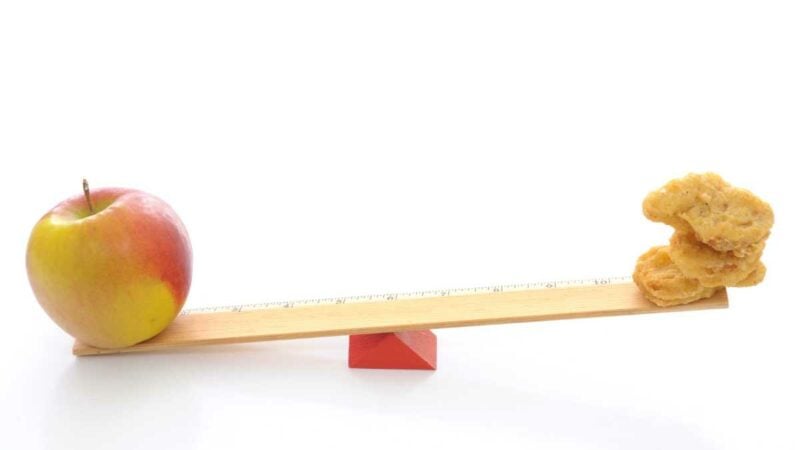


Introduction:
Determining the right caloric intake is essential for maintaining a healthy lifestyle, managing weight, and achieving fitness goals. Understanding how many calories you should consume daily can help you make informed dietary choices. This article delves into the factors that influence caloric needs, how to calculate your Basal Metabolic Rate (BMR) and Total Daily Energy Expenditure (TDEE), and offers practical tips for monitoring your caloric consumption effectively.
Understanding Daily Caloric Needs: An Overview
Caloric needs refer to the number of calories a person requires to maintain their current weight and support daily activities. These needs are not static and can vary based on several factors, including age, gender, weight, height, and activity level. Calories are a measure of energy, and understanding your caloric needs is crucial for making dietary adjustments.
The concept of caloric intake is rooted in the balance between energy consumed through food and energy expended through physical activities and metabolic processes. When you consume more calories than you burn, the excess energy is stored as fat, leading to weight gain. Conversely, consuming fewer calories than you expend results in weight loss.
The average daily caloric intake can range significantly from person to person. For example, the Dietary Guidelines for Americans suggest that adult women generally need between 1,600 to 2,400 calories per day, while men require between 2,000 to 3,000 calories. However, these figures are general estimates and should be tailored to individual needs.
Understanding your daily caloric needs is the first step in achieving your health and fitness goals. By knowing how many calories your body requires, you can make informed decisions about your diet and lifestyle, promoting overall well-being.
Factors Influencing Individual Caloric Requirements
Several factors influence an individual’s caloric needs, making it essential to consider personal circumstances when determining daily intake. Age is a significant factor, as metabolic rates typically decline with age. Younger individuals often have higher caloric needs due to growth and higher activity levels, while older adults may require fewer calories.
Gender also plays a crucial role in caloric requirements. Generally, men have higher muscle mass and lower body fat percentages than women, leading to a higher BMR. Hormonal differences can also affect metabolism, influencing how many calories one needs.
Another important factor is body composition. Individuals with higher muscle mass tend to have higher caloric needs because muscle tissue burns more calories at rest compared to fat tissue. Thus, someone who is more muscular will require more calories to maintain their weight than someone with a higher body fat percentage.
Lastly, activity level is a critical determinant of caloric needs. Sedentary individuals require fewer calories than those who engage in regular physical activity or have physically demanding jobs. By assessing these factors, individuals can better understand their unique caloric requirements.
Calculating Basal Metabolic Rate (BMR) Accurately
The Basal Metabolic Rate (BMR) represents the number of calories your body needs to maintain basic physiological functions at rest, such as breathing, circulation, and cell production. Calculating BMR is essential for determining overall caloric needs. Several formulas can be used to estimate BMR, including the Harris-Benedict equation and the Mifflin-St Jeor equation, which are widely recognized for their accuracy.
The Mifflin-St Jeor equation is often preferred due to its precision. For men, the formula is:
[ BMR = 10 times text{weight (kg)} + 6.25 times text{height (cm)} – 5 times text{age (years)} + 5 ]
For women, the formula is:
[ BMR = 10 times text{weight (kg)} + 6.25 times text{height (cm)} – 5 times text{age (years)} – 161 ]
Once you calculate your BMR, it gives you a baseline for how many calories your body requires at rest. However, it is essential to remember that BMR alone does not account for daily activities or exercise, which is why it is a starting point for understanding caloric needs.
Accurate BMR calculation is crucial for anyone looking to manage their weight effectively, as it helps to set realistic dietary goals based on individual metabolic rates.
Determining Total Daily Energy Expenditure (TDEE)
To get a comprehensive understanding of caloric needs, it is necessary to calculate Total Daily Energy Expenditure (TDEE), which includes all calories burned throughout the day, including physical activity. TDEE can be estimated by multiplying your BMR by an activity factor that corresponds to your lifestyle.
The activity factors are categorized as follows:
- Sedentary (little or no exercise): BMR × 1.2
- Lightly active (light exercise/sports 1-3 days a week): BMR × 1.375
- Moderately active (moderate exercise/sports 3-5 days a week): BMR × 1.55
- Very active (hard exercise/sports 6-7 days a week): BMR × 1.725
- Super active (very hard exercise/sports, physical job, or training twice a day): BMR × 1.9
Calculating TDEE provides a more accurate reflection of your caloric needs, allowing for better dietary planning. Understanding your TDEE is particularly important for those looking to gain or lose weight, as it helps to establish a caloric deficit or surplus based on individual goals.
By determining TDEE, individuals can tailor their caloric intake to align with their lifestyle and fitness objectives, ensuring they consume the right amount of energy to support their daily activities.
Adjusting Caloric Intake for Weight Management Goals
Once you have established your TDEE, you can adjust your caloric intake to align with your weight management goals. For weight loss, a common approach is to create a caloric deficit, which typically involves consuming 500 to 1,000 fewer calories than your TDEE. This deficit can lead to a safe and sustainable weight loss of approximately 1 to 2 pounds per week.
Conversely, if your goal is to gain weight, you need to create a caloric surplus by consuming more calories than your TDEE. A surplus of 250 to 500 calories per day can facilitate gradual weight gain, which is often recommended for muscle building or recovery from illness.
It is crucial to approach caloric adjustments thoughtfully. Extreme caloric deficits or surpluses can lead to negative health consequences, including nutrient deficiencies and metabolic slowdown. Therefore, it is advisable to make gradual changes and monitor progress regularly.
In addition to adjusting caloric intake, focusing on the quality of calories consumed is equally important. Prioritizing nutrient-dense foods can help ensure that you meet your body’s nutritional needs while managing your weight effectively.
Practical Tips for Monitoring Daily Caloric Consumption
Monitoring caloric intake can be an effective strategy for achieving dietary goals. One practical approach is to use a food diary or mobile app to track daily food consumption. These tools can help you stay accountable and provide insights into your eating habits, making it easier to identify areas for improvement.
When tracking calories, it is essential to be as accurate as possible. This includes measuring portion sizes and reading nutrition labels carefully. Many apps allow users to scan barcodes, making it easier to log food items accurately.
Another effective strategy is to plan meals ahead of time. Meal prepping can help ensure that you stay within your caloric goals and make healthier choices. By preparing meals in advance, you can avoid impulsive eating and ensure that you have nutritious options readily available.
Lastly, consider seeking guidance from a registered dietitian or nutritionist. These professionals can help you create a personalized meal plan that aligns with your caloric needs and health objectives, providing expert advice on how to balance macronutrients effectively.
Conclusions:
Understanding how many calories you should consume daily is vital for achieving health and fitness goals. By calculating your BMR and TDEE, considering individual factors, and adjusting your caloric intake accordingly, you can create a sustainable dietary plan. Monitoring your caloric consumption through practical strategies can further enhance your efforts. With the right knowledge and tools, you can make informed decisions that support your overall well-being.
Read more
- Mayo Clinic – Caloric Needs – An overview of how to determine your daily caloric needs based on various factors.
- Healthline – BMR Calculator – A user-friendly BMR calculator with explanations of the formulas used.
- American Council on Exercise – TDEE Calculator – A guide to calculating TDEE with detailed explanations of activity factors.
- Nutrition.gov – Weight Management – Resources and tips for managing weight through dietary adjustments and physical activity.