

Introduction:
Many individuals embark on a weight loss journey with the belief that consuming a specific number of calories, such as 1200 per day, will lead to significant weight loss. However, it can be frustrating to find that the scale does not reflect the effort put into dieting. Understanding the complexities behind caloric intake, metabolism, and individual differences is crucial for anyone facing this challenge. This article will explore the reasons why someone might not lose weight on a 1200-calorie diet, delving into the science of weight loss and the various factors that can influence outcomes.
Understanding Caloric Deficit: The Basics of Weight Loss
To lose weight, one must create a caloric deficit, which occurs when the number of calories consumed is less than the number of calories burned. While a daily intake of 1200 calories may seem low enough to induce weight loss, it is essential to recognize that individual caloric needs vary based on factors such as age, gender, weight, height, and activity level. Understanding these variables is key to determining whether 1200 calories is an appropriate target for your specific situation.
Moreover, the body adapts to lower caloric intake by slowing down its metabolism, a phenomenon known as adaptive thermogenesis. This means that as you reduce your calorie intake, your body may become more efficient at using energy, thus burning fewer calories overall. Consequently, a person who initially loses weight on a 1200-calorie diet may find that their progress stalls over time, as their body adjusts to the lower energy intake.
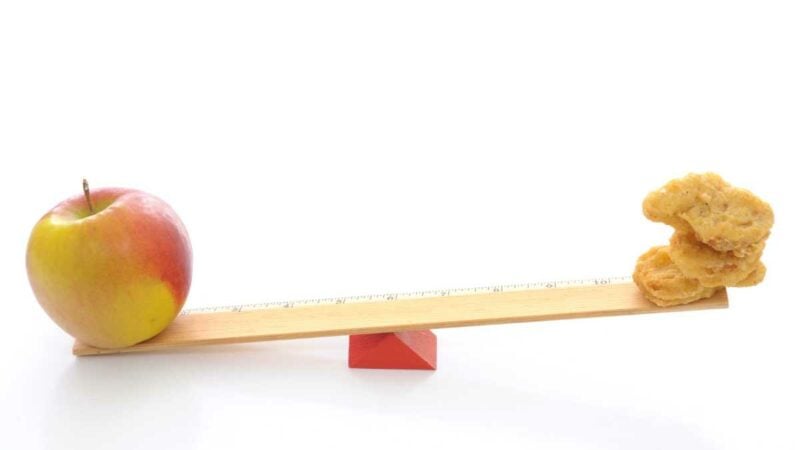
Another important aspect of caloric deficit is the quality of the calories consumed. Simply cutting calories without considering the nutritional value of foods can lead to deficiencies in essential vitamins and minerals, which can impact overall health and metabolism. Therefore, it is not just about the quantity of calories but also about making informed choices regarding the types of foods consumed.
Finally, it is crucial to remember that weight loss is not always linear. Fluctuations in weight can occur due to water retention, hormonal changes, or other factors unrelated to fat loss. This understanding can help mitigate frustration and promote a more sustainable approach to weight management.
Factors Affecting Metabolism and Caloric Needs
Metabolism is a complex process influenced by various factors, including genetics, muscle mass, and hormonal balance. Individuals with a higher muscle mass tend to have a higher resting metabolic rate, meaning they burn more calories at rest. Conversely, those with less muscle may find it more challenging to maintain a caloric deficit, even at lower calorie intakes.
Hormones also play a significant role in regulating metabolism and appetite. For instance, imbalances in hormones such as thyroid hormones, insulin, and leptin can affect how the body processes food and stores fat. If you suspect that hormonal issues may be impacting your weight loss efforts, it may be beneficial to consult a healthcare professional for evaluation.
Age is another critical factor that influences metabolic rate. As individuals age, their metabolism tends to slow down, partly due to a natural decline in muscle mass. This means that a caloric intake that was once effective for weight loss may no longer yield the same results as one ages, necessitating adjustments in dietary strategies.
Finally, activity level plays a crucial role in determining caloric needs. Sedentary individuals require fewer calories than those who engage in regular physical activity. Therefore, if your lifestyle is primarily inactive, consuming 1200 calories may not create a sufficient deficit to promote weight loss, especially if your body has adapted to this level of intake.
The Role of Macronutrients in Weight Management
The composition of your diet, particularly the balance of macronutrients—carbohydrates, proteins, and fats—can significantly influence weight loss outcomes. Each macronutrient serves a unique purpose in the body, and understanding their roles can help optimize your diet for weight management.
Proteins are essential for muscle repair and growth, and they also play a role in satiety. A higher protein intake can help preserve lean muscle mass during weight loss and may lead to increased feelings of fullness, reducing overall calorie consumption. If your 1200-calorie diet is low in protein, you may find it harder to maintain muscle mass and feel satisfied after meals.
Carbohydrates are often the primary source of energy for the body, but not all carbs are created equal. Whole grains, fruits, and vegetables provide essential nutrients and fiber, which can aid in digestion and help regulate hunger. In contrast, refined carbohydrates and sugars can lead to spikes in blood sugar levels, resulting in increased hunger and cravings.
Fats are also an essential part of a balanced diet and are crucial for hormone production and nutrient absorption. Healthy fats, such as those found in avocados, nuts, and olive oil, can promote satiety and help maintain energy levels. However, consuming excessive amounts of fats, even healthy ones, can lead to a caloric surplus, hindering weight loss efforts.
In summary, focusing on the quality and balance of macronutrients in your diet can significantly impact your weight loss journey. A well-rounded approach that includes adequate protein, healthy fats, and complex carbohydrates can enhance satiety and support overall health, making it easier to achieve and maintain a caloric deficit.
Potential Health Issues Impacting Weight Loss Efforts
Several underlying health issues can impede weight loss efforts, even when adhering to a low-calorie diet. Conditions such as hypothyroidism, polycystic ovary syndrome (PCOS), and insulin resistance can disrupt metabolic processes and lead to weight gain or difficulty losing weight.
Hypothyroidism, characterized by an underactive thyroid gland, can result in a slowed metabolism and increased fatigue. Individuals with this condition may find it challenging to lose weight, even on a caloric deficit. If you suspect thyroid issues, consulting with a healthcare provider for testing and appropriate treatment is advisable.
PCOS is another condition that can complicate weight loss. Women with PCOS often experience hormonal imbalances that can lead to weight gain, particularly around the abdomen. Additionally, insulin resistance, which is common in PCOS, can make it difficult for the body to utilize glucose effectively, leading to increased fat storage.
Other potential health issues include chronic stress, which can lead to elevated cortisol levels. High cortisol can promote fat accumulation, particularly in the abdominal area, and may lead to cravings for high-calorie comfort foods. Addressing stress through mindfulness practices, exercise, or therapy can be beneficial for weight loss.
Finally, certain medications can also impact weight loss efforts. Some antidepressants, antipsychotics, and corticosteroids are known to cause weight gain or hinder weight loss. If you are taking medication and struggling to lose weight, discussing alternatives with your healthcare provider may be worthwhile.
Psychological Factors: Stress and Emotional Eating
The psychological aspects of weight loss are often overlooked but can significantly impact an individual’s ability to adhere to a diet. Stress and emotional eating are common challenges that can sabotage weight loss efforts. When faced with stress, many individuals turn to food as a source of comfort, leading to increased caloric intake and potential weight gain.
Emotional eating often involves consuming high-calorie, low-nutrient foods that provide temporary relief but do not satisfy hunger in a meaningful way. This behavior can create a cycle of guilt and frustration, making it even harder to stick to a caloric deficit. Recognizing triggers for emotional eating and finding healthier coping mechanisms, such as exercise or mindfulness, can help break this cycle.
Additionally, the pressure to lose weight can lead to feelings of anxiety and disappointment, especially when results are not as expected. This emotional strain can create a negative feedback loop, where stress leads to overeating, which in turn exacerbates stress about weight loss. Developing a positive mindset and focusing on overall health rather than just the number on the scale can be beneficial.
Support from friends, family, or professional counselors can also play a crucial role in managing psychological factors related to weight loss. Engaging in group support or therapy can provide accountability and encouragement, helping individuals navigate the emotional challenges of dieting.
Ultimately, addressing the psychological aspects of weight loss is essential for long-term success. By recognizing and managing stress and emotional eating, individuals can create a more sustainable and enjoyable approach to weight management.
Evaluating Your Diet: Hidden Calories and Nutrient Density
When following a low-calorie diet, it is crucial to evaluate not only the quantity of calories consumed but also the quality and nutrient density of those calories. Hidden calories can often be found in dressings, sauces, beverages, and snacks, which can contribute significantly to overall caloric intake without providing substantial nutritional value.
For example, a seemingly healthy salad can quickly become calorie-dense with the addition of creamy dressings, croutons, and cheese. Similarly, beverages such as sugary drinks or even high-calorie smoothies can add extra calories that may not be accounted for in daily intake. Keeping a detailed food diary can help identify these hidden calories and promote more mindful eating.
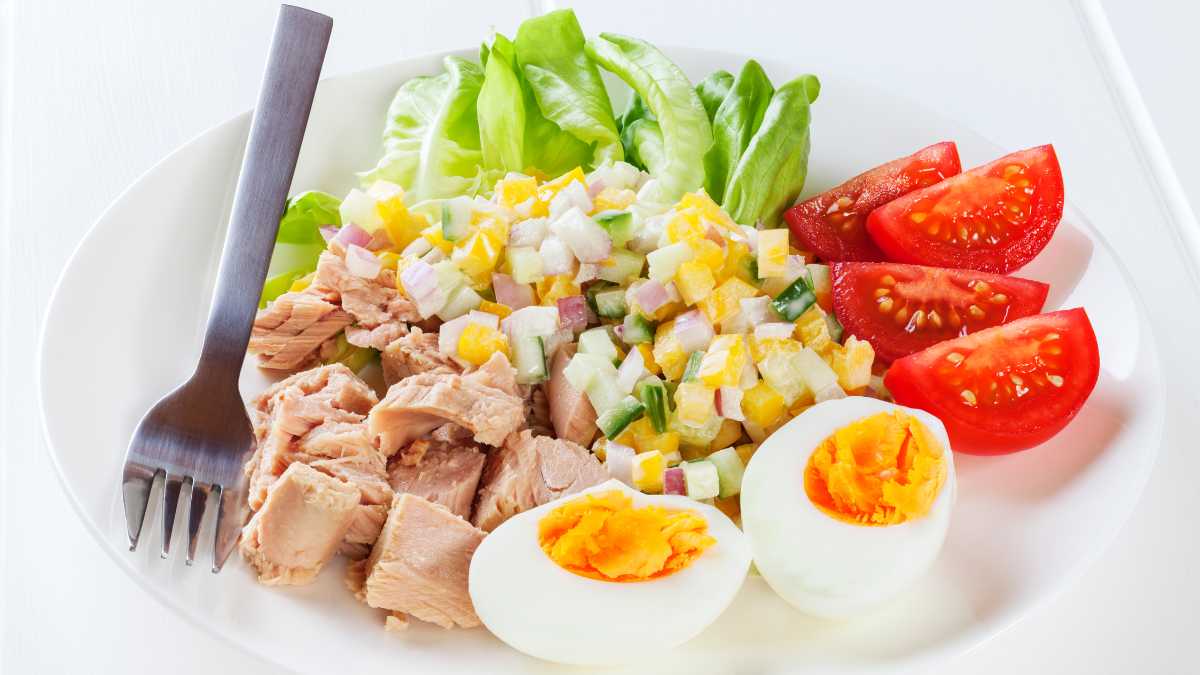
Moreover, focusing on nutrient-dense foods is essential for overall health and satiety. Foods rich in vitamins, minerals, and fiber, such as fruits, vegetables, whole grains, and lean proteins, can help keep you feeling full and satisfied while providing the necessary nutrients for optimal body function. In contrast, highly processed foods may be low in nutrients and high in empty calories, leading to increased hunger and cravings.
It is also important to consider portion sizes when evaluating your diet. Even healthy foods can contribute to weight gain if consumed in excessive amounts. Learning proper portion sizes and practicing mindful eating can help prevent overeating and promote a more balanced approach to dieting.
In conclusion, evaluating your diet for hidden calories and prioritizing nutrient-dense foods can significantly impact your weight loss efforts. A focus on quality, rather than just quantity, can lead to better health outcomes and a more sustainable approach to weight management.
Conclusions:
In summary, not losing weight on a 1200-calorie diet can be attributed to various factors, including metabolic adaptations, hormonal imbalances, psychological challenges, and the quality of food consumed. Understanding these complexities is essential for anyone struggling with weight loss. By addressing these issues and adopting a holistic approach to health and nutrition, individuals can create a more effective and sustainable weight loss strategy.
Read more:
- National Institutes of Health: Understanding Caloric Deficit – A comprehensive overview of caloric deficit and its role in weight management.
- Mayo Clinic: Metabolism and Weight Loss – Insights into how metabolism affects weight loss and factors influencing caloric needs.
- Harvard Health: The Role of Macronutrients – An article discussing the importance of macronutrients in a balanced diet.
- Cleveland Clinic: Health Issues Affecting Weight Loss – A resource outlining various health conditions that can impact weight loss efforts.
- American Psychological Association: Emotional Eating – An exploration of the psychological factors contributing to emotional eating and strategies for managing stress.