

Introduction:
Irritable Bowel Syndrome (IBS) is a common gastrointestinal disorder characterized by symptoms such as abdominal pain, bloating, and altered bowel habits. While the exact cause of IBS remains unclear, various factors, including stress, gut microbiota, and diet, play significant roles in symptom exacerbation. Among dietary components, fruits are often considered healthy; however, certain types can trigger or worsen IBS symptoms. Understanding which fruits may contribute to discomfort is crucial for effective management of this condition.
Understanding Irritable Bowel Syndrome and Its Triggers
Irritable Bowel Syndrome is a complex disorder that affects the large intestine, leading to a range of symptoms that can significantly impact quality of life. The exact etiology of IBS is multifactorial, involving a combination of genetic, environmental, and psychological factors. Common triggers include stress, hormonal changes, and dietary choices. Patients often report that specific foods can lead to symptom flare-ups, making dietary management a vital aspect of treatment.
The symptoms of IBS can vary widely among individuals, but they typically include cramping, abdominal pain, bloating, gas, diarrhea, and constipation. This variability can make it challenging for healthcare providers to offer a one-size-fits-all dietary recommendation. Instead, a tailored approach that considers individual tolerance levels is often more effective in managing symptoms.
Research indicates that the gut-brain axis plays a significant role in IBS, linking emotional well-being and gut function. Stress management techniques, such as cognitive behavioral therapy and mindfulness, can be beneficial alongside dietary modifications. Understanding the interplay between psychological factors and gastrointestinal symptoms is essential for comprehensive IBS management.
Recognizing the triggers of IBS is the first step in developing a personalized treatment plan. Patients are often encouraged to keep a food diary to identify patterns between their diet and symptom flare-ups. This proactive approach can help patients and healthcare providers pinpoint specific foods that exacerbate IBS symptoms, including certain fruits.
The Role of Diet in Managing IBS Symptoms Effectively
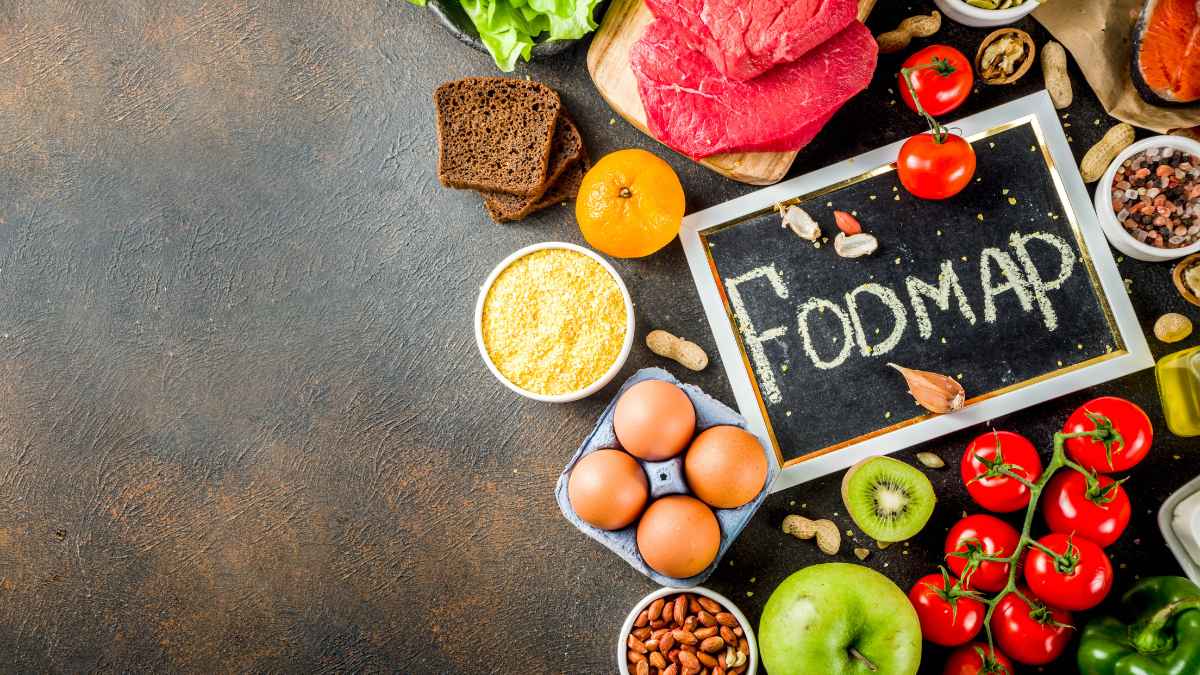
Dietary management is a cornerstone of IBS treatment, as certain foods can provoke symptoms while others may alleviate them. A low-FODMAP diet, which restricts fermentable oligosaccharides, disaccharides, monosaccharides, and polyols, has gained popularity for its effectiveness in reducing IBS symptoms. This diet emphasizes the importance of understanding how specific carbohydrates can ferment in the gut, leading to gas production and discomfort.
Fruits, while generally considered healthy, can be high in FODMAPs. For individuals with IBS, consuming high-FODMAP fruits can lead to increased bloating, gas, and abdominal pain. Therefore, it is crucial for IBS patients to be aware of which fruits may be problematic and to consider alternative options that are lower in FODMAPs.
In addition to FODMAP content, the ripeness of fruit can also influence its impact on IBS symptoms. For example, ripe bananas are higher in fructose, a type of sugar that can trigger symptoms in sensitive individuals. Conversely, unripe bananas contain more resistant starch, which may be better tolerated. This highlights the importance of not only the type of fruit consumed but also its ripeness and preparation.
Overall, dietary modifications can significantly improve the quality of life for individuals with IBS. By focusing on low-FODMAP fruits and monitoring individual responses, patients can create a diet that minimizes discomfort while still providing essential nutrients.
Common Fruits Known to Exacerbate IBS Symptoms
Certain fruits are frequently reported to exacerbate IBS symptoms due to their high FODMAP content. Apples, pears, cherries, and watermelon are among the most common culprits. These fruits contain high levels of fructose and sorbitol, which can lead to fermentation in the gut, resulting in gas and bloating.
Stone fruits, such as peaches and plums, are also known to cause issues for many individuals with IBS. They contain both fructose and polyols, making them particularly problematic. Even small portions of these fruits can lead to significant discomfort for sensitive individuals.
Berries, while generally considered a healthier option, can also pose challenges. Although strawberries and blueberries are lower in FODMAPs compared to other fruits, they can still cause symptoms in some IBS patients, especially when consumed in large quantities. Understanding individual tolerance levels is essential for managing fruit intake effectively.
Citrus fruits, such as oranges and grapefruits, are often well-tolerated by IBS patients; however, their acidic nature can sometimes lead to discomfort in those with sensitive stomachs. It is essential to monitor how different fruits affect symptoms and adjust consumption accordingly.
Mechanisms Behind Fruit-Induced IBS Discomfort
The discomfort associated with certain fruits in IBS patients can be attributed to several mechanisms. One primary factor is the fermentation of sugars and fibers in the gut, leading to gas production. High-FODMAP fruits contain sugars that are poorly absorbed in the small intestine, allowing them to reach the colon, where gut bacteria ferment them, producing gas as a byproduct.
Additionally, the osmotic effect of certain sugars can draw water into the intestine, leading to diarrhea in susceptible individuals. This mechanism is particularly relevant for fruits high in sorbitol, which can exacerbate symptoms in those with IBS-D (diarrhea-predominant IBS).
The presence of certain fibers in fruits can also contribute to IBS symptoms. While fiber is essential for digestive health, some types of fiber can be fermentable and aggravate symptoms in sensitive individuals. This dual nature of fiber—beneficial in some contexts but potentially harmful in others—illustrates the complexity of dietary management in IBS.
Moreover, the gut microbiome plays a critical role in how individuals respond to different foods. Variations in gut bacteria can influence the fermentation process and the resultant symptoms. This underscores the importance of a personalized approach to dietary management, as what may trigger symptoms in one person may be well-tolerated by another.
Individual Variability in Fruit Tolerance Among IBS Patients
One of the most challenging aspects of managing IBS is the individual variability in food tolerance. While some patients may find certain high-FODMAP fruits trigger their symptoms, others may have no adverse reactions. This variability can be attributed to differences in gut microbiota composition, digestive enzyme production, and overall gut health.
Genetic factors also play a role in how individuals metabolize certain sugars and fibers. For instance, some people may have a genetic predisposition that affects their ability to digest fructose or sorbitol, leading to heightened sensitivity to specific fruits. Understanding these genetic factors can help tailor dietary recommendations for IBS patients.
Psychological factors can further complicate the relationship between diet and IBS symptoms. Stress and anxiety can exacerbate gastrointestinal discomfort, leading individuals to perceive certain foods as problematic even if they are not. This highlights the importance of addressing both dietary and psychological aspects in the management of IBS.
Ultimately, the key to effective dietary management is self-awareness. Patients are encouraged to experiment with their diets, keeping detailed records of food intake and symptoms to identify personal triggers. This individualized approach allows for a more nuanced understanding of fruit tolerance and can lead to better symptom management.
Strategies for Identifying Problematic Fruits in Diet
Identifying which fruits may exacerbate IBS symptoms requires a systematic approach. One effective method is to implement an elimination diet, where high-FODMAP fruits are removed for a specified period, typically 4-6 weeks. During this time, patients can monitor their symptoms to determine if there is an improvement.
After the elimination phase, patients can gradually reintroduce fruits one at a time, noting any changes in symptoms. This process of reintroduction helps pinpoint specific fruits that may trigger discomfort, allowing for a more tailored diet that minimizes IBS symptoms.
Keeping a food diary can also be beneficial. Recording daily food intake alongside symptom severity can help establish patterns and correlations between specific fruits and symptom flare-ups. This self-monitoring strategy empowers patients to take an active role in their dietary management.
Collaboration with a registered dietitian specializing in IBS can provide additional support and guidance. A dietitian can help patients navigate the complexities of dietary restrictions while ensuring nutritional adequacy. This professional guidance can be invaluable in developing a personalized eating plan that addresses both symptom management and overall health.
Conclusions:
Managing IBS symptoms through dietary modifications is a critical aspect of treatment. While fruits are generally healthy, certain types can exacerbate symptoms for individuals with IBS. Understanding the role of diet, recognizing common problematic fruits, and employing strategies for identifying personal triggers can significantly improve quality of life for those affected by this condition. A tailored approach that considers individual variability in fruit tolerance is essential for effective IBS management.
Read more
-
International Foundation for Gastrointestinal Disorders (IFFGD) – A comprehensive resource on gastrointestinal disorders, including IBS, with information on symptoms, triggers, and dietary management.
-
Monash University FODMAP Diet – Offers extensive research and resources on the low-FODMAP diet, including lists of high and low-FODMAP foods.
-
American College of Gastroenterology (ACG) – Provides guidelines and educational materials on the management of IBS, including dietary recommendations.
-
Harvard Health Publishing – Features articles and research on IBS, its triggers, and the role of diet in symptom management.
-
Cleveland Clinic – Offers expert insights and resources on IBS, including dietary strategies and symptom management tips.