

Introduction:
Irritable Bowel Syndrome (IBS) is a common gastrointestinal disorder characterized by symptoms such as abdominal pain, bloating, and altered bowel habits. Managing IBS effectively often requires a tailored approach to diet, as certain foods can exacerbate symptoms. Understanding what to eat daily can significantly improve quality of life for those affected. This article explores dietary implications, key nutritional principles, trigger foods, recommended daily foods, meal planning strategies, and the importance of monitoring dietary habits for individuals with IBS.
Understanding IBS: Dietary Implications and Management Strategies
Irritable Bowel Syndrome is a multifaceted condition that affects the gastrointestinal tract, leading to a range of symptoms that can vary in intensity. Diet plays a crucial role in managing these symptoms, as certain foods can trigger or alleviate discomfort. The complexity of IBS means that dietary strategies must be personalized; what works for one person may not work for another.
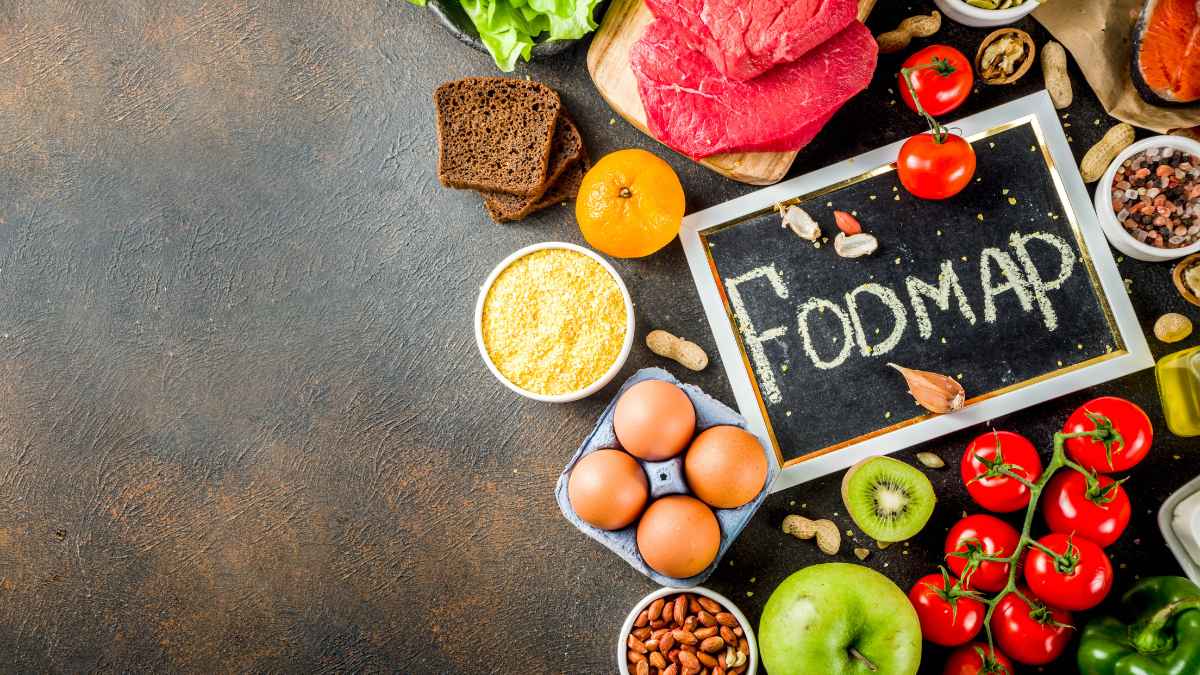
Many individuals with IBS find relief through dietary adjustments, which may include increasing fiber intake, reducing fat, and avoiding certain carbohydrates known as FODMAPs (fermentable oligosaccharides, disaccharides, monosaccharides, and polyols). Understanding these dietary implications is essential for effective management. A well-rounded approach that includes both dietary changes and lifestyle modifications can lead to significant symptom relief.
Furthermore, stress management and regular physical activity are also vital components of IBS management. Incorporating mindfulness practices such as yoga or meditation can help reduce stress-related symptoms. Thus, a holistic approach that combines diet and lifestyle changes is often the most effective strategy for individuals with IBS.
Finally, consulting with a healthcare provider or a registered dietitian can provide tailored advice and support. Professional guidance can help individuals navigate their dietary choices while ensuring they meet their nutritional needs.
Key Nutritional Principles for Managing IBS Symptoms Effectively
When managing IBS, it is essential to focus on key nutritional principles that can help alleviate symptoms. One of the primary considerations is the balance of fiber in the diet. Soluble fiber, found in foods like oats, apples, and carrots, can help regulate bowel movements and reduce diarrhea. Conversely, insoluble fiber, found in whole grains and certain vegetables, can sometimes exacerbate symptoms for some individuals.
In addition to fiber, adequate hydration is crucial for maintaining digestive health. Drinking sufficient water throughout the day aids digestion and can help prevent constipation, a common symptom of IBS. It is also advisable to limit caffeine and alcohol, as these can irritate the gut and worsen symptoms.
Another important principle is to focus on nutrient-dense foods. Incorporating a variety of fruits, vegetables, lean proteins, and healthy fats can ensure that individuals with IBS receive essential vitamins and minerals while managing their symptoms. This balanced approach not only supports digestive health but also overall well-being.
Finally, timing and portion sizes can significantly impact IBS symptoms. Eating smaller, more frequent meals can help reduce the burden on the digestive system and prevent symptoms from flaring up. This strategy allows for better digestion and nutrient absorption, contributing to improved health outcomes.
Identifying Trigger Foods: A Guide for IBS Sufferers
Identifying trigger foods is a critical step for individuals with IBS. Keeping a food diary can be an effective way to track what you eat and how it affects your symptoms. By noting the foods consumed and any subsequent symptoms, individuals can begin to identify patterns and pinpoint specific triggers.
Common trigger foods for those with IBS often include high-FODMAP foods such as garlic, onions, and certain fruits like apples and pears. Dairy products can also be problematic, particularly for those who are lactose intolerant. It is essential to recognize that triggers can vary widely between individuals; thus, personal experimentation is key.
In addition to high-FODMAP foods, fatty and fried foods can exacerbate symptoms for many. Processed foods, which often contain additives and preservatives, may also contribute to digestive discomfort. By eliminating or reducing these foods, individuals may experience significant symptom relief.
Once potential triggers have been identified, it is crucial to approach dietary changes gradually. Elimination diets can be helpful, but they should be conducted under professional supervision to ensure nutritional adequacy and to avoid unnecessary restrictions.
Recommended Daily Foods: Balancing Fiber and Nutrients
For individuals with IBS, selecting the right daily foods can make a significant difference in symptom management. Incorporating low-FODMAP fruits such as bananas, blueberries, and strawberries can provide essential vitamins without triggering symptoms. These fruits are not only nutritious but also easy to digest for many individuals with IBS.
Vegetables should also be a staple in the daily diet, with options like carrots, spinach, and zucchini being gentle on the digestive system. Cooking vegetables can often make them easier to digest, reducing the likelihood of discomfort. It is advisable to avoid raw cruciferous vegetables, such as broccoli and cauliflower, which can cause gas and bloating.
In terms of grains, choosing gluten-free options like quinoa, rice, and oats can be beneficial for those with IBS. These grains provide essential carbohydrates while being less likely to trigger symptoms. Additionally, incorporating lean proteins such as chicken, fish, and eggs can help maintain muscle health and overall nutrition.
Finally, healthy fats should not be overlooked. Incorporating sources of omega-3 fatty acids such as fatty fish, flaxseeds, and walnuts can support overall health and may help reduce inflammation in the gut. Balancing these food groups can create a well-rounded diet that minimizes IBS symptoms while ensuring adequate nutrient intake.
Meal Planning Strategies for Individuals with IBS
Effective meal planning is crucial for individuals with IBS to maintain a balanced diet while managing symptoms. Creating a weekly meal plan can help streamline grocery shopping and ensure that nutritious, low-FODMAP options are readily available. This proactive approach reduces the likelihood of reaching for trigger foods when hunger strikes.
When planning meals, consider batch cooking as a strategy to save time and effort. Preparing large quantities of low-FODMAP meals, such as soups or stews, can provide convenient options throughout the week. Portioning out meals and freezing them can also be beneficial for busy days when cooking from scratch is not feasible.
Incorporating variety into meal planning is essential to prevent dietary boredom. Experimenting with different herbs and spices can enhance flavor without relying on high-FODMAP ingredients. Additionally, exploring new recipes that align with dietary needs can make healthy eating more enjoyable.
Lastly, keeping snacks on hand is vital for managing IBS. Healthy snacks such as rice cakes, nut butter, or lactose-free yogurt can help maintain energy levels and prevent overeating during meals. Planning for snacks ensures that individuals are prepared and less likely to resort to trigger foods.
Monitoring and Adjusting Your Diet for Optimal Health
Monitoring dietary habits is essential for individuals with IBS to achieve optimal health. Regularly assessing symptoms in relation to food intake can provide valuable insights into what works and what does not. This ongoing evaluation allows for timely adjustments to the diet, enhancing overall well-being.
It is also important to recognize that dietary needs may change over time. Life events, stress levels, and even seasonal changes can influence IBS symptoms. Therefore, individuals should remain flexible and open to modifying their diets as necessary to accommodate these changes.
Seeking support from healthcare professionals can further aid in monitoring dietary habits. Dietitians can provide personalized guidance and help individuals navigate the complexities of IBS management. They can also assist in ensuring that nutritional needs are met while adhering to dietary restrictions.
Finally, staying informed about IBS and nutrition is crucial. Engaging with reliable resources and communities can provide ongoing support and knowledge, empowering individuals to take charge of their health. Education is a powerful tool in managing IBS effectively.
Conclusions:
Managing IBS through diet is a multifaceted process that requires careful consideration of food choices, meal planning, and ongoing monitoring. By understanding the implications of IBS, identifying trigger foods, and adhering to key nutritional principles, individuals can significantly improve their quality of life. A personalized approach, supported by professional guidance, can lead to effective symptom management and overall health.
Read more:
- International Foundation for Gastrointestinal Disorders (IFFGD) – A comprehensive resource on gastrointestinal disorders, including IBS, offering information on symptoms, treatment, and dietary management.
- Monash University FODMAP Diet – A leading source for understanding the low-FODMAP diet, including lists of foods and recipes to help manage IBS symptoms.
- American College of Gastroenterology – Provides guidelines and resources for the management of IBS, including dietary recommendations and treatment options.
- NHS – Irritable Bowel Syndrome – The UK’s National Health Service offers comprehensive information about IBS, including symptoms, causes, and management strategies.
- Academy of Nutrition and Dietetics – A trusted source for nutrition information, including dietary strategies for managing IBS and other gastrointestinal issues.