

Introduction:
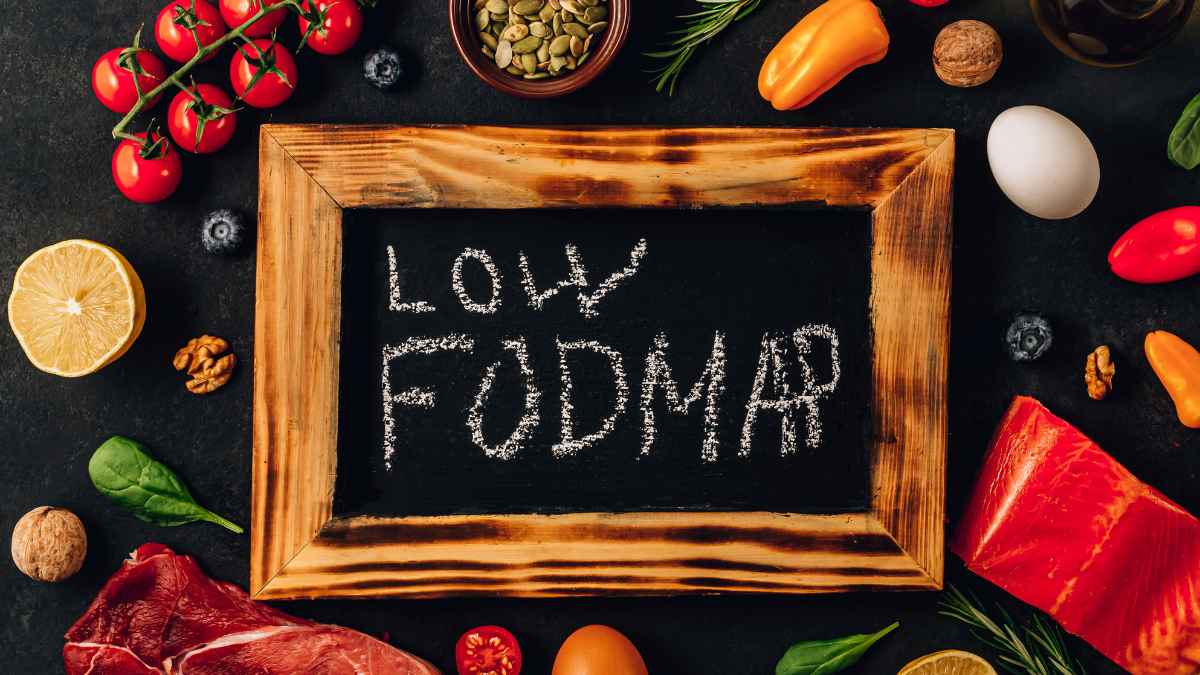
The FODMAP diet has gained significant attention for its role in managing digestive disorders, particularly irritable bowel syndrome (IBS). FODMAP stands for fermentable oligosaccharides, disaccharides, monosaccharides, and polyols, which are types of carbohydrates that some individuals may find difficult to digest. Among the wide variety of fruits available, bananas are often questioned regarding their FODMAP content. This article aims to explore whether bananas are high in FODMAPs, their nutritional profile, and how they can be incorporated into a low FODMAP diet.
Understanding the FODMAP Classification of Foods
FODMAPs are a group of short-chain carbohydrates that are poorly absorbed in the small intestine. They can lead to symptoms such as bloating, gas, and abdominal pain in sensitive individuals. The classification includes several categories: oligosaccharides (fructans and galacto-oligosaccharides), disaccharides (lactose), monosaccharides (fructose), and polyols (sorbitol and mannitol). Each category has specific food sources and varies in its impact on digestive health.
The FODMAP content of foods can significantly affect individuals with IBS and other gastrointestinal disorders. Understanding which foods fall into the high FODMAP category is crucial for those aiming to alleviate their symptoms. Foods high in FODMAPs can trigger digestive distress, leading to the need for dietary modifications.
The FODMAP diet typically involves an elimination phase, where high FODMAP foods are removed from the diet, followed by a gradual reintroduction phase. This process helps individuals identify specific triggers and tailor their diets accordingly. The classification of foods into high and low FODMAP categories is based on their carbohydrate composition and how they are metabolized in the gut.
Bananas, being a commonly consumed fruit, often come up in discussions about FODMAPs. Their classification can vary based on ripeness, making it essential to understand how different stages of banana ripeness affect their FODMAP content.
The Role of FODMAPs in Digestive Health and Disorders
FODMAPs can have both beneficial and detrimental effects on digestive health. On one hand, they can act as prebiotics, promoting the growth of beneficial gut bacteria. This can improve gut health and enhance the immune system. On the other hand, for individuals with sensitive digestive systems, high FODMAP foods can lead to discomfort and exacerbate symptoms of IBS.
The fermentation process of FODMAPs in the gut can produce gas, leading to bloating and abdominal pain. This is particularly problematic for those with IBS, where the gut’s sensitivity is heightened. Therefore, managing FODMAP intake is crucial for symptom relief and overall digestive health.
Understanding the role of FODMAPs in digestive disorders has led to the development of the low FODMAP diet, which is now a widely recommended approach for managing IBS. Research indicates that a significant proportion of individuals with IBS experience symptom relief when following a low FODMAP diet, highlighting the importance of dietary management in these conditions.
In addition to IBS, FODMAPs may also play a role in other gastrointestinal disorders, such as functional dyspepsia and inflammatory bowel disease (IBD). The impact of FODMAPs on gut health is an area of ongoing research, as scientists continue to explore the complex relationship between diet, gut microbiota, and digestive health.
Nutritional Profile of Bananas: A Comprehensive Overview
Bananas are a nutrient-rich fruit that provides a variety of essential vitamins and minerals. They are particularly high in potassium, which is vital for maintaining healthy blood pressure and muscle function. Additionally, bananas are a good source of vitamin C, vitamin B6, and dietary fiber, making them a valuable addition to a balanced diet.
The caloric content of bananas is relatively moderate, with an average medium-sized banana containing about 105 calories. This makes them a convenient snack option for individuals seeking energy without excessive calories. The presence of dietary fiber in bananas can also aid in digestion and promote a feeling of fullness, which is beneficial for weight management.
Bananas contain natural sugars, primarily fructose and glucose, which provide a quick source of energy. This makes them an excellent choice for athletes and active individuals who require rapid replenishment of energy stores. However, the sugar content is a factor to consider for those monitoring their carbohydrate intake, especially in the context of a low FODMAP diet.
Overall, the nutritional profile of bananas is impressive, offering a range of health benefits. However, their FODMAP content varies depending on ripeness, which is crucial for individuals following a low FODMAP diet. Understanding this aspect can help in making informed dietary choices while still enjoying the benefits of this popular fruit.
Analyzing the FODMAP Content in Ripe vs. Unripe Bananas
The FODMAP content in bananas is influenced significantly by their ripeness. Unripe bananas contain higher levels of resistant starch, which is classified as a low FODMAP carbohydrate. This means that unripe bananas are generally better tolerated by individuals following a low FODMAP diet. The resistant starch in unripe bananas can also act as a prebiotic, promoting gut health.
As bananas ripen, the resistant starch converts into sugars, primarily fructose and glucose. This change increases the FODMAP content of ripe bananas, making them higher in fructose. Consequently, ripe bananas may trigger symptoms in individuals sensitive to FODMAPs, particularly those who have difficulty absorbing fructose.
Research has shown that individuals with IBS may tolerate unripe bananas better than their ripe counterparts. Therefore, for those adhering to a low FODMAP diet, it is advisable to choose unripe bananas to minimize the risk of digestive discomfort. The ripeness of the banana can be easily assessed by its color and firmness, with green bananas being less ripe and yellow bananas indicating ripeness.
In summary, the FODMAP content of bananas is not static; it changes as the fruit ripens. Understanding this dynamic is essential for individuals managing their FODMAP intake, allowing them to enjoy bananas while minimizing potential digestive issues.
Recommendations for Including Bananas in a Low FODMAP Diet
For those following a low FODMAP diet, incorporating bananas can be done thoughtfully to maximize enjoyment while minimizing discomfort. Unripe bananas are the best choice, as they are low in FODMAPs and can be consumed in various ways, such as in smoothies, baked goods, or as a standalone snack.
It is essential to monitor portion sizes when consuming bananas. While unripe bananas are low in FODMAPs, larger quantities may still lead to digestive issues for some individuals. A typical serving size of one small unripe banana is generally considered safe for those on a low FODMAP diet.
In contrast, ripe bananas should be consumed with caution. Individuals who are sensitive to fructose may want to limit their intake or avoid ripe bananas altogether. If a person wishes to enjoy ripe bananas, they may consider pairing them with low FODMAP foods, such as peanut butter, to balance the overall FODMAP load of the meal.
Lastly, it is beneficial to keep a food diary when reintroducing foods after the elimination phase of the low FODMAP diet. This practice can help individuals identify their tolerance levels and make informed decisions about including bananas in their diet.
Conclusion: Bananas and Their Place in FODMAP Management
In conclusion, bananas can be part of a low FODMAP diet, but their suitability largely depends on their ripeness. Unripe bananas are low in FODMAPs and can be safely consumed by most individuals, while ripe bananas may pose challenges for those sensitive to fructose. Understanding the nutritional profile and FODMAP content of bananas allows individuals to enjoy this fruit without compromising their digestive health.
As with any dietary approach, individual tolerance levels vary. It is essential for those with IBS or other digestive disorders to listen to their bodies and adjust their diets accordingly. By being mindful of the ripeness of bananas and portion sizes, individuals can incorporate this nutritious fruit into their diets while managing FODMAP intake effectively.
Conclusions:
Bananas can be a delightful addition to a balanced diet, particularly when consumed in their unripe state. By understanding their FODMAP content and nutritional benefits, individuals can make informed choices that promote digestive health while still enjoying the flavors and textures that bananas offer.
Read more
- Monash University FODMAP Diet – A comprehensive resource on the low FODMAP diet, including food guides and research updates.
- FODMAP Friendly – An organization providing information on FODMAPs, including a list of certified low FODMAP products.
- IBS Network – A support organization for individuals with IBS, offering resources and dietary advice.
- Harvard Health Publishing – Articles and research on digestive health and dietary management of IBS.
- Nutritional Guidelines for FODMAP Diet – A scientific article discussing the impact of FODMAPs on health and dietary recommendations.