

Introduction:
The Low FODMAP diet has gained significant attention as a dietary approach for managing symptoms associated with irritable bowel syndrome (IBS) and other gastrointestinal disorders. FODMAPs, which stands for fermentable oligosaccharides, disaccharides, monosaccharides, and polyols, are short-chain carbohydrates that can be poorly absorbed in the small intestine. This article delves into the role of chicken within the context of a Low FODMAP diet, examining its FODMAP content, cooking methods, and how it compares to other protein sources.
Understanding FODMAPs: Definition and Classification
FODMAPs are a group of carbohydrates that can trigger digestive distress in sensitive individuals. They are classified into five categories: oligosaccharides (fructans and galacto-oligosaccharides), disaccharides (lactose), monosaccharides (fructose), and polyols (sorbitol and mannitol). Each category has distinct sources and effects on digestion. For instance, oligosaccharides are found in foods like wheat, onions, and legumes, while disaccharides are prevalent in dairy products.
The mechanism behind FODMAP intolerance involves the fermentation of these carbohydrates by gut bacteria, leading to gas production, bloating, and abdominal pain. Individuals with IBS often experience heightened sensitivity to these fermentable carbohydrates. Therefore, the Low FODMAP diet aims to reduce the intake of high FODMAP foods, helping to alleviate symptoms and improve quality of life.
Understanding the classification of FODMAPs is crucial for anyone considering this dietary approach. By identifying which foods fall into each category, individuals can make informed choices about what to include or exclude from their diets. This classification also helps in planning meals that are both nutritious and low in FODMAPs.
The Low FODMAP diet is typically divided into three phases: elimination, reintroduction, and personalization. During the elimination phase, high FODMAP foods are removed from the diet for several weeks. The reintroduction phase involves gradually adding these foods back to determine individual tolerance levels. Finally, the personalization phase focuses on creating a sustainable eating plan that minimizes symptoms while allowing for a varied diet.
The Role of Chicken in a Low FODMAP Diet
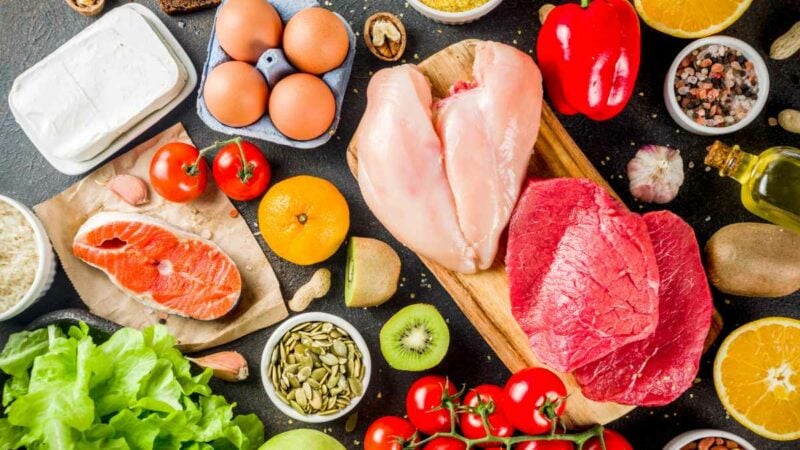
Chicken is often considered a safe protein choice for those following a Low FODMAP diet. It is naturally low in carbohydrates, which means it does not contain significant amounts of FODMAPs. This makes chicken an excellent source of protein for individuals looking to avoid triggers associated with FODMAPs. Additionally, chicken is versatile and can be incorporated into numerous dishes, making it a staple in many meal plans.
The nutritional profile of chicken is also appealing. It is rich in essential nutrients such as B vitamins, iron, and zinc, which are important for overall health. For those on a Low FODMAP diet, maintaining adequate nutrient intake is crucial, as the elimination of certain food groups can lead to deficiencies. Chicken provides a high-quality protein source that can help meet dietary needs without exacerbating gastrointestinal symptoms.
Moreover, chicken can be prepared in various ways, allowing for creativity in meal planning. From grilled chicken salads to stir-fries, the options are endless. This adaptability is particularly beneficial for individuals who may feel limited in their food choices while following a Low FODMAP diet. By incorporating chicken into their meals, individuals can enjoy a satisfying and nutritious diet.
However, it is essential to consider the overall dietary context. While chicken itself is low in FODMAPs, the accompanying ingredients and cooking methods can influence the FODMAP content of a meal. Therefore, it is vital to be mindful of what is paired with chicken to ensure that the entire dish remains low in FODMAPs.
Analyzing the FODMAP Content of Different Chicken Cuts
When considering chicken as a protein source, it is important to analyze the FODMAP content of various cuts. Generally, all cuts of chicken, including breast, thigh, and drumsticks, are low in FODMAPs. This uniformity across different cuts makes chicken a reliable choice for those managing FODMAP sensitivity.
Chicken breast is particularly popular due to its lean profile and versatility. It can be grilled, baked, or sautéed, making it suitable for a wide range of recipes. Chicken thighs, while slightly higher in fat, also provide a rich flavor and can be used in hearty dishes. Both cuts can be enjoyed without concern for FODMAP content, provided they are not prepared with high FODMAP ingredients.
Ground chicken is another option that is low in FODMAPs. It can be used in various recipes, such as meatballs or tacos, allowing for a diverse menu. However, individuals should be cautious with pre-seasoned or pre-packaged ground chicken, as these products may contain high FODMAP ingredients like onion or garlic.
In summary, all cuts of chicken are safe for a Low FODMAP diet. This characteristic makes chicken a staple protein source for individuals seeking to manage their symptoms while still enjoying a variety of meals. The key is to focus on preparation methods and accompanying ingredients to maintain a low FODMAP profile.
Cooking Methods: Impact on FODMAP Levels in Chicken
The cooking method used for chicken can significantly impact its overall healthfulness and FODMAP content, particularly when additional ingredients are involved. For instance, grilling or baking chicken with herbs and spices can enhance flavor without introducing FODMAPs. This approach allows individuals to enjoy delicious meals while adhering to their dietary restrictions.
However, caution should be exercised with certain cooking methods that may introduce high FODMAP ingredients. For example, frying chicken in a batter that contains wheat flour or using marinades that include garlic or onion can elevate the FODMAP content of the dish. It is essential to read labels and be mindful of ingredient choices to ensure that meals remain low in FODMAPs.
Slow cooking is another method that can be beneficial for preparing chicken. When using low FODMAP ingredients, slow-cooked chicken can develop rich flavors without the need for high FODMAP additives. This method is particularly useful for creating soups or stews, where the chicken can absorb the flavors of other low FODMAP vegetables and herbs.
In conclusion, the cooking method plays a crucial role in maintaining the low FODMAP status of chicken dishes. By opting for cooking techniques that avoid high FODMAP ingredients, individuals can enjoy a wide range of flavorful meals while adhering to their dietary needs.
Comparing Chicken with Other High FODMAP Proteins
When evaluating protein sources in the context of a Low FODMAP diet, chicken stands out as a favorable option compared to other proteins that may be high in FODMAPs. For instance, legumes such as lentils and chickpeas are known to be high in oligosaccharides, making them less suitable for individuals with FODMAP sensitivities. While they are excellent sources of plant-based protein, their FODMAP content can lead to digestive discomfort.
Similarly, certain dairy products, particularly those high in lactose, can pose challenges for individuals following a Low FODMAP diet. Milk, soft cheeses, and yogurt can trigger symptoms in lactose-intolerant individuals. In contrast, chicken provides a lactose-free protein option that can be safely consumed without fear of exacerbating gastrointestinal issues.
Red meats, such as beef and pork, are also low in FODMAPs, but they may not be as versatile or easy to prepare as chicken. Chicken can be incorporated into various cuisines and dishes, making it a more adaptable choice for meal planning. Additionally, chicken is often more affordable than some cuts of red meat, making it a practical option for many households.
Fish and seafood are generally low in FODMAPs as well, but they may not provide the same level of satiety as chicken for some individuals. Chicken’s high protein content can help keep individuals feeling full and satisfied, which is particularly important for those managing their weight or following a specific dietary regimen.
Recommendations for Incorporating Chicken in Meal Plans
Incorporating chicken into a Low FODMAP meal plan can be straightforward and enjoyable. Start by selecting lean cuts, such as chicken breast or thighs, and consider various cooking methods to keep meals interesting. Grilling, baking, or sautéing chicken with low FODMAP vegetables can create delicious and satisfying dishes.
When planning meals, consider pairing chicken with low FODMAP grains such as rice or quinoa. These options provide a balanced source of carbohydrates while keeping the overall dish low in FODMAPs. Additionally, using herbs and spices like basil, oregano, and thyme can enhance flavor without introducing high FODMAP ingredients.
For those who enjoy meal prep, consider preparing a batch of grilled or roasted chicken at the beginning of the week. This can be used in salads, wraps, or stir-fries throughout the week, providing convenience without sacrificing dietary restrictions.
Finally, always be mindful of sauces and marinades. Opt for homemade versions that avoid high FODMAP ingredients, or choose store-bought options that are specifically labeled as low FODMAP. This attention to detail can help ensure that meals remain enjoyable and compliant with dietary needs.
Conclusions:
Chicken is a versatile and nutritious protein source that fits well within a Low FODMAP diet. Its naturally low FODMAP content, combined with its adaptability in various cooking methods and meal preparations, makes it an excellent choice for individuals managing FODMAP sensitivities. By being mindful of cooking methods and accompanying ingredients, individuals can enjoy a wide range of delicious meals while adhering to their dietary needs.
Read more:
- Monash University FODMAP Diet – A comprehensive resource for understanding FODMAPs and their impact on digestive health.
- FODMAP Friendly – A platform offering information on low FODMAP foods and products that are safe for consumption.
- The IBS Network – A charity providing support and information for individuals with IBS, including dietary advice.
- Low FODMAP Diet Resources – An informative site dedicated to the Low FODMAP diet, offering recipes and guidance.
- Harvard Health Publishing: The Low FODMAP Diet – An article discussing the Low FODMAP diet and its benefits for digestive health.