Introduction:
Weight loss is a common goal for many individuals, particularly as they age. For a 55-year-old woman, understanding how many calories to consume for effective weight loss is crucial. This process involves not only calculating the right caloric intake but also considering various factors that influence metabolism and dietary needs. This article will explore the intricacies of caloric needs for weight loss, focusing on the unique considerations for women in their mid-50s.
Understanding Caloric Needs for Weight Loss in Women
To effectively lose weight, it is essential to understand the concept of caloric needs. Caloric needs refer to the number of calories a person requires to maintain their current weight, which is influenced by factors such as age, sex, weight, height, and activity level. For women, especially those over 50, these needs tend to decrease due to hormonal changes and a natural decline in muscle mass.
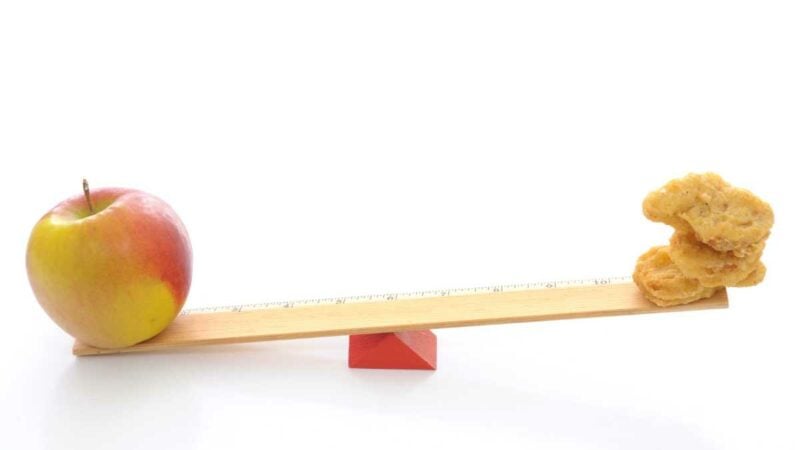
On average, a moderately active woman in her 50s requires about 1,800 to 2,200 calories per day to maintain her weight. However, to lose weight, a caloric deficit must be created. This means consuming fewer calories than the body expends. A safe and sustainable weight loss rate is typically around 1 to 2 pounds per week, which equates to a caloric deficit of 500 to 1,000 calories per day.
Understanding one’s caloric needs is not just about counting numbers; it’s about recognizing how the body uses energy. Basal metabolic rate (BMR), which accounts for the calories burned at rest, plays a significant role in determining overall caloric needs. Women should consider their BMR when planning their weight loss strategy, as it helps in tailoring a diet that meets individual energy requirements.
In summary, grasping the concept of caloric needs is fundamental for any weight loss plan. By establishing a clear understanding of how many calories are necessary for maintenance versus weight loss, women can set realistic and achievable goals.
Factors Influencing Caloric Intake for 55-Year-Olds
Several factors influence caloric intake for women aged 55 and older. Hormonal changes associated with menopause can significantly affect metabolism and body composition. Women may experience a decrease in estrogen levels, which can lead to increased fat storage, particularly around the abdomen. This hormonal shift often necessitates a reevaluation of caloric needs.
Another critical factor is physical activity level. As women age, they may become less active due to various reasons, including health issues or lifestyle changes. A decrease in physical activity can lead to a lower caloric expenditure, meaning that caloric intake must also be adjusted to avoid weight gain. Incorporating regular exercise can help mitigate this decline and promote weight loss.
Muscle mass is another important consideration. With aging, women tend to lose muscle mass at a rate of approximately 3-8% per decade after the age of 30. Since muscle tissue burns more calories than fat, maintaining or building muscle through strength training can enhance metabolic rate and support weight loss efforts.
Lastly, individual health conditions such as diabetes, thyroid disorders, or cardiovascular issues can also affect caloric needs and dietary restrictions. It’s essential for women to consult with healthcare professionals to tailor their weight loss plans according to their health status and personal circumstances.
Calculating Basal Metabolic Rate for Weight Loss Goals
Calculating the Basal Metabolic Rate (BMR) is a crucial step in determining how many calories a 55-year-old woman should consume for weight loss. BMR represents the number of calories the body requires at rest to maintain basic physiological functions such as breathing, circulation, and cell production. Several equations, such as the Harris-Benedict equation, can be used to estimate BMR based on age, weight, height, and sex.
For example, the revised Harris-Benedict equation for women is as follows:
[ BMR = 655 + (9.6 times text{weight in kg}) + (1.8 times text{height in cm}) – (4.7 times text{age in years}) ]
By calculating BMR, women can establish a baseline for their caloric needs.
Once BMR is determined, it can be multiplied by an activity factor to estimate Total Daily Energy Expenditure (TDEE). The activity factors range from sedentary (1.2) to very active (1.725). For instance, a moderately active woman would multiply her BMR by 1.55 to find her TDEE. This value represents the total calories needed to maintain her current weight.
To create a caloric deficit for weight loss, women should aim to consume fewer calories than their TDEE. This approach allows for a structured and informed plan that considers individual metabolic rates and activity levels, making it easier to achieve weight loss goals.
Recommended Daily Caloric Deficit for Effective Weight Loss
To achieve effective weight loss, establishing a recommended daily caloric deficit is essential. A deficit of 500 to 1,000 calories per day is generally advised for sustainable weight loss of 1 to 2 pounds per week. This range allows for gradual weight loss, which is more likely to be maintained over time compared to rapid weight loss methods.
For a 55-year-old woman, the specific caloric intake will depend on her BMR and TDEE. For instance, if her TDEE is 2,000 calories, consuming around 1,500 to 1,800 calories per day would create a sufficient deficit. It’s important to note that going below 1,200 calories per day is usually not recommended for women, as it can lead to nutritional deficiencies and negatively impact metabolism.
Additionally, it’s crucial to focus on the quality of calories consumed. Prioritizing whole foods, such as fruits, vegetables, lean proteins, and whole grains, can enhance satiety and provide essential nutrients that support overall health. This approach not only aids in weight loss but also promotes better health outcomes.
In conclusion, a well-structured caloric deficit is vital for weight loss, but it should be approached with care. Women should aim for a balance that allows for effective weight loss while still meeting their nutritional needs.
Nutritional Quality: Beyond Just Counting Calories
While understanding caloric intake is essential, the nutritional quality of the food consumed plays a critical role in weight loss and overall health. Not all calories are created equal; the source of calories can significantly impact satiety, energy levels, and health outcomes. For instance, 100 calories from a sugary snack will not have the same effects on the body as 100 calories from a serving of almonds.
Incorporating a variety of nutrient-dense foods into the diet is crucial for women in their 50s. Foods rich in vitamins, minerals, and antioxidants can help combat the effects of aging and support metabolic health. For example, foods high in fiber, such as fruits, vegetables, and whole grains, can promote feelings of fullness and help regulate blood sugar levels.
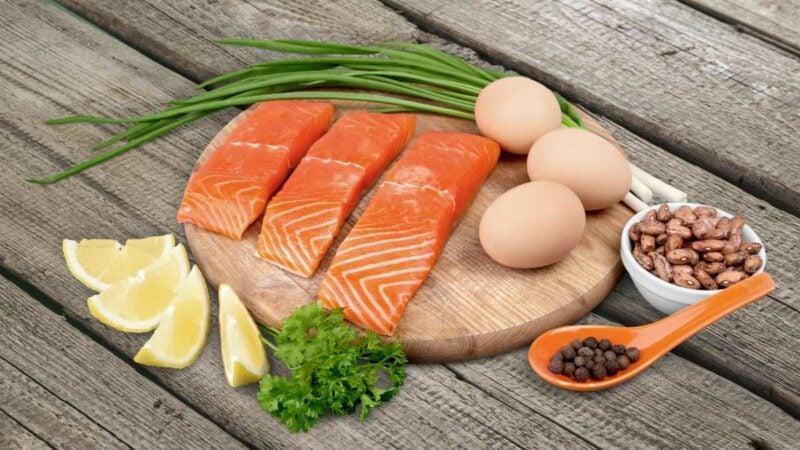
Furthermore, adequate protein intake is vital for preserving muscle mass, especially as women age. Including lean protein sources such as chicken, fish, legumes, and dairy can help maintain muscle while promoting weight loss. Protein also has a higher thermic effect compared to fats and carbohydrates, meaning it requires more energy to digest, which can further support weight loss efforts.
Lastly, hydration should not be overlooked. Drinking enough water is essential for metabolic processes and can help control hunger. Sometimes, feelings of hunger can be mistaken for thirst, leading to unnecessary calorie consumption. Therefore, staying hydrated should be a fundamental part of any weight loss strategy.
Monitoring Progress and Adjusting Caloric Intake Over Time
Monitoring progress is a crucial aspect of any weight loss journey. Regularly assessing weight, body measurements, and overall well-being can help women understand how their bodies respond to dietary changes. Keeping a food diary or using mobile apps can provide insights into eating patterns and help identify areas for improvement.
As weight loss progresses, it’s important to adjust caloric intake accordingly. As body weight decreases, BMR also tends to decline, which means that the initial caloric deficit may need to be recalibrated to continue losing weight effectively. This adjustment is particularly important for women in their 50s, as their metabolism may be slower than in their younger years.
Additionally, women should be aware of their body’s signals. If weight loss stalls, it may be necessary to reassess dietary habits or increase physical activity. Sometimes, small changes, such as incorporating more movement throughout the day or adjusting portion sizes, can reignite progress.
Lastly, it’s essential to approach weight loss with a mindset focused on health rather than just numbers. Maintaining a balanced perspective can help women stay motivated and committed to their goals, fostering long-term success in their weight loss journey.
Conclusions:
In conclusion, determining the right caloric intake for a 55-year-old woman aiming to lose weight involves a multifaceted approach. Understanding caloric needs, considering individual factors, calculating BMR, establishing a caloric deficit, prioritizing nutritional quality, and monitoring progress are all essential components of a successful weight loss strategy. By focusing on these elements, women can achieve their weight loss goals while promoting overall health and well-being.
Read more
-
Harvard Health Publishing – Weight Loss Basics
This article outlines the fundamental principles of weight loss, including caloric deficit and healthy eating habits. -
Mayo Clinic – Healthy Weight Loss: A Slow and Steady Approach
This resource provides comprehensive guidelines for achieving weight loss in a healthy and sustainable manner. -
National Institute on Aging – Healthy Eating After 50
This guide focuses on the nutritional needs of older adults and offers practical tips for maintaining a balanced diet. -
American Heart Association – Nutrition Basics
This article discusses the importance of nutritional quality and how to make healthier food choices. -
Centers for Disease Control and Prevention – Losing Weight
This resource provides evidence-based strategies for effective weight loss, emphasizing the importance of a balanced approach.