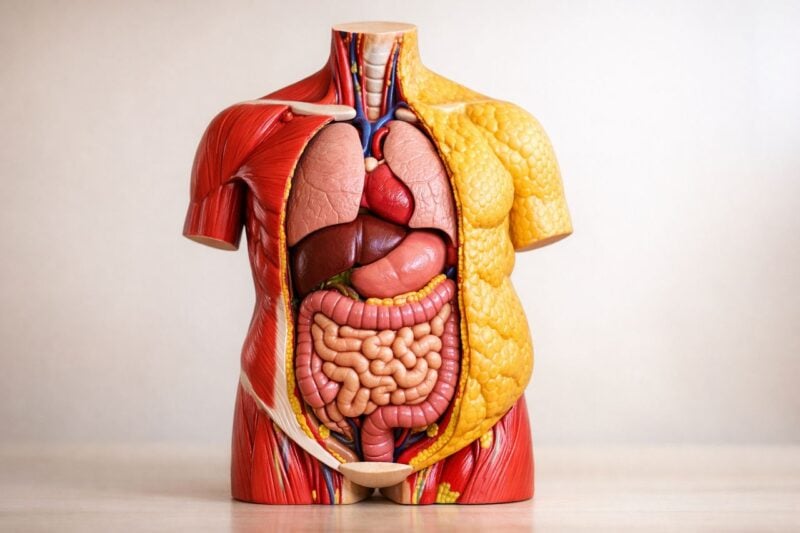


Introduction:
Body Mass Index (BMI) is a widely used tool for assessing an individual’s body weight relative to their height. It is often employed to categorize individuals as underweight, normal weight, overweight, or obese. However, many people find themselves in a perplexing situation where their BMI indicates they are overweight, despite appearing slim or having a low body fat percentage. This article delves into the intricacies of BMI, its limitations, and the factors that can lead to such discrepancies in health assessments.
Understanding Body Mass Index: A Brief Overview
BMI is calculated using a straightforward formula: weight in kilograms divided by height in meters squared (kg/m²). This simple calculation provides a numerical value that categorizes individuals into various weight classes. The World Health Organization (WHO) defines specific BMI ranges for underweight, normal weight, overweight, and obesity. While BMI is a convenient screening tool, it is essential to understand that it does not directly measure body fat or health status.
The primary purpose of BMI is to identify potential weight-related health risks in populations and individuals. It serves as a quick reference for healthcare providers to assess whether a person may be at risk for conditions associated with obesity, such as diabetes, cardiovascular diseases, and certain cancers. However, the reliance on BMI as a sole indicator of health can be misleading.
Despite its popularity, BMI has been criticized for its inability to account for variations in body composition. Two individuals with the same BMI may have vastly different body compositions, with one having a higher proportion of muscle mass and the other having a higher proportion of fat. This discrepancy can lead to misinterpretations of health status, particularly for those who are athletic or have a naturally lean physique.
In summary, while BMI provides a useful starting point for assessing weight-related health risks, it is essential to recognize its limitations. A deeper understanding of body composition and other health indicators is necessary to obtain a more accurate representation of an individual’s health status.
The Limitations of BMI as a Health Indicator
One of the most significant limitations of BMI is its failure to differentiate between fat mass and lean mass. Lean mass includes muscles, bones, and organs, while fat mass refers to the adipose tissue in the body. As a result, individuals with high muscle mass, such as athletes, may fall into the overweight or obese categories despite having low body fat percentages. This misclassification can lead to unnecessary health concerns and interventions.
Another limitation is the lack of consideration for fat distribution. BMI does not account for where fat is stored in the body, which is a crucial factor in understanding health risks. For instance, individuals with a higher waist circumference may be at greater risk for metabolic diseases, regardless of their BMI. Therefore, relying solely on BMI can obscure the true health risks associated with body fat distribution.
Additionally, BMI does not take into account age, sex, or ethnicity, all of which can influence body composition and health outcomes. For example, older adults may have a higher percentage of body fat than younger individuals at the same BMI, leading to potential misinterpretations of health risks. Similarly, ethnic differences in body composition can result in varying health implications for individuals with the same BMI.
In conclusion, while BMI can serve as a useful screening tool, it is essential to recognize its limitations. A comprehensive approach to health assessment should consider additional factors beyond BMI to provide a more accurate picture of an individual’s health status.
Factors Influencing BMI Beyond Body Fat Composition
Several factors can influence BMI readings, leading to potential misclassification of an individual’s health status. One such factor is hydration levels. Dehydration can result in a lower body weight, thus lowering BMI, while excessive fluid retention can lead to a higher BMI. This fluctuation can mislead individuals and healthcare providers regarding actual body composition and health.
Genetics also play a crucial role in body composition and metabolism. Some individuals may naturally have a higher muscle mass or a different fat distribution pattern due to genetic factors. As a result, their BMI may not accurately reflect their overall health or body fat percentage. Understanding the genetic predispositions that influence body composition can help contextualize BMI readings.
Lifestyle factors, such as diet and physical activity, can also impact BMI. Individuals who engage in regular strength training may develop muscle mass that contributes to a higher BMI, despite having low body fat. Conversely, a sedentary lifestyle may lead to a lower BMI but a higher body fat percentage, indicating potential health risks. Therefore, lifestyle choices must be considered when interpreting BMI results.
Lastly, hormonal influences can affect body composition and BMI. Hormonal imbalances, such as those seen in conditions like polycystic ovary syndrome (PCOS) or thyroid disorders, can lead to changes in body fat distribution and muscle mass. These hormonal factors can complicate the interpretation of BMI, highlighting the need for a more comprehensive assessment of health.
The Role of Muscle Mass in BMI Calculations
Muscle mass significantly impacts BMI calculations, often leading to misinterpretations of an individual’s health status. Muscle is denser than fat, meaning that individuals with a higher muscle mass may weigh more without having excess body fat. This phenomenon is particularly common among athletes and fitness enthusiasts, who may have a BMI that categorizes them as overweight or obese, despite being fit and healthy.
The presence of muscle mass can also influence metabolic rate. Individuals with higher muscle mass typically have a higher basal metabolic rate (BMR), which means they burn more calories at rest. This increased calorie expenditure can contribute to better overall health and body composition, yet BMI fails to capture this critical aspect of metabolic health.
Furthermore, the relationship between muscle mass and health extends beyond mere aesthetics. Higher muscle mass is associated with improved insulin sensitivity, better glucose metabolism, and a lower risk of chronic diseases. Thus, individuals with a higher muscle mass may have a lower risk profile for conditions often associated with obesity, despite their BMI classification.
In summary, muscle mass plays a crucial role in BMI calculations and can lead to misclassifications of health status. Recognizing the importance of muscle mass in overall health assessments is essential for a more accurate understanding of an individual’s well-being.
The Impact of Body Composition on Health Assessment
Body composition, which refers to the proportion of fat and lean mass in the body, provides a more comprehensive understanding of health than BMI alone. Assessing body composition allows for a clearer picture of an individual’s health status, as it considers factors like muscle mass, fat distribution, and overall fitness levels. This holistic approach is crucial for identifying potential health risks that BMI may overlook.
Fat distribution is particularly important in understanding health risks. Visceral fat, which is stored around the organs, is associated with a higher risk of metabolic diseases compared to subcutaneous fat, which is located beneath the skin. Individuals with a normal BMI but high visceral fat levels may be at risk for conditions such as type 2 diabetes and cardiovascular disease. Therefore, evaluating body composition can provide valuable insights into an individual’s health risks.
Moreover, advancements in technology have made it easier to assess body composition accurately. Methods such as dual-energy X-ray absorptiometry (DEXA), bioelectrical impedance analysis (BIA), and skinfold measurements can provide detailed information about fat and lean mass. These assessments can help individuals and healthcare providers make informed decisions regarding lifestyle changes, interventions, and health management strategies.
In conclusion, body composition is a vital component of health assessment that goes beyond BMI. A comprehensive understanding of an individual’s body composition can lead to better health outcomes and more tailored interventions.
Alternative Metrics for Evaluating Body Health Status
Given the limitations of BMI, several alternative metrics can provide a more accurate assessment of body health status. One such metric is waist circumference, which measures abdominal fat and is a strong indicator of visceral fat levels. Research has shown that waist circumference is a better predictor of health risks associated with obesity than BMI alone, making it a valuable tool for health assessments.
Another alternative is the waist-to-hip ratio (WHR), which compares the circumference of the waist to that of the hips. This ratio provides insights into fat distribution and can help assess the risk of cardiovascular diseases. A higher WHR indicates a greater concentration of visceral fat, which is associated with an increased risk of metabolic disorders.
Body fat percentage is another critical metric for evaluating health status. This measurement provides a clearer picture of an individual’s fat mass relative to their total body weight. Techniques such as skinfold calipers, BIA, and DEXA scans can accurately assess body fat percentage, allowing for a more nuanced understanding of health risks associated with body composition.
Lastly, functional assessments, such as strength and endurance tests, can provide valuable insights into an individual’s overall fitness level and health status. These assessments can help identify areas for improvement and guide personalized fitness and nutrition plans, ultimately leading to better health outcomes.
Conclusions:
In summary, while BMI is a widely used tool for assessing body weight and health risks, it has significant limitations that can lead to misinterpretations of health status. Factors such as muscle mass, fat distribution, hydration levels, genetics, and lifestyle choices all influence BMI readings. A more comprehensive approach to health assessment should consider body composition, alternative metrics, and functional assessments to provide a clearer picture of an individual’s overall health.
Read more:
- World Health Organization – BMI Classification – A comprehensive overview of BMI classification and its implications for health.
- Mayo Clinic – Body Composition – Insights into body composition and its importance in health assessments.
- American Council on Exercise – Body Fat Percentage – An explanation of body fat percentage and its relevance to overall health.
- Harvard Health Publishing – The Limitations of BMI – A critical look at the limitations of BMI as a health indicator.
- National Institutes of Health – Waist Circumference and Health – Research discussing the relationship between waist circumference and health risks.