


Introduction:
The Paleo diet, often referred to as the "caveman diet," emphasizes whole foods that our ancestors might have consumed during the Paleolithic era. This approach to eating focuses on lean meats, fish, fruits, vegetables, nuts, and seeds while avoiding processed foods, grains, legumes, and dairy. As individuals embark on this dietary journey, a common question arises: Can you drink on the Paleo diet? This article delves into the compatibility of alcohol with the Paleo lifestyle, examining the nutritional implications, potential beverage options, and the social dynamics of drinking while adhering to this dietary framework.
Understanding the Paleo Diet: Key Principles and Guidelines
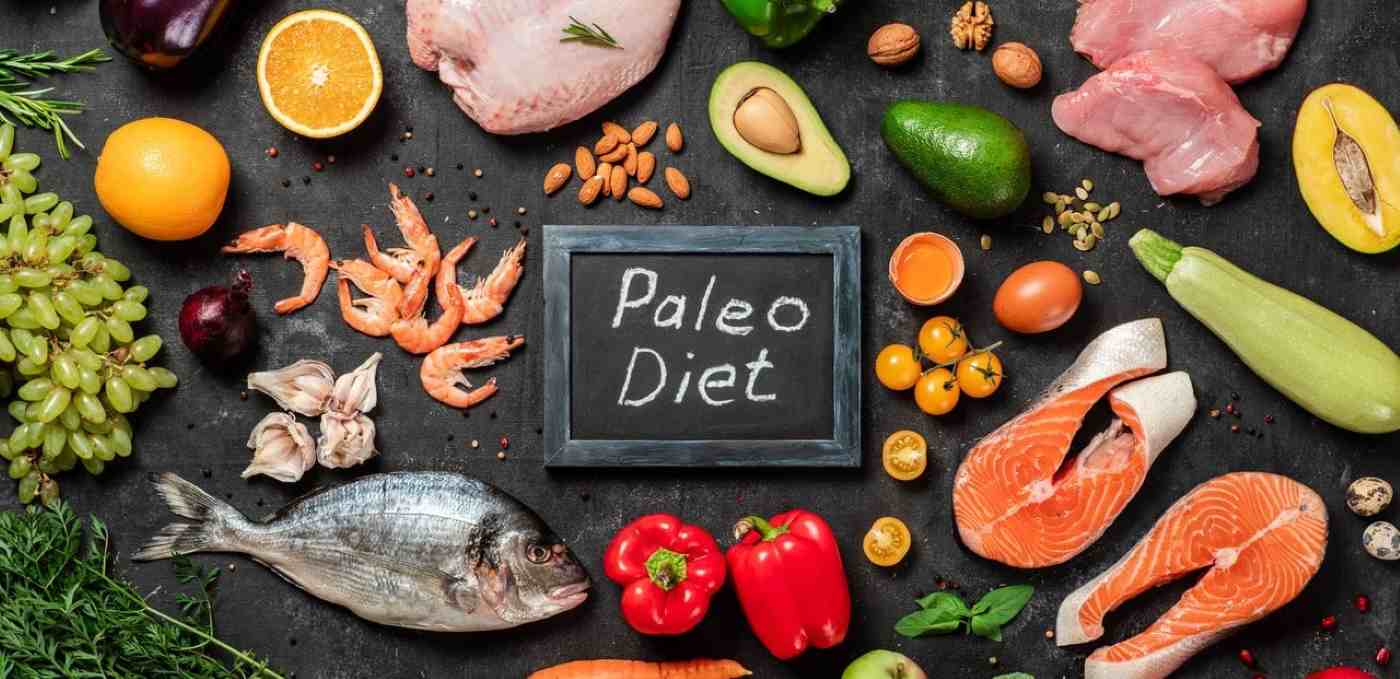
At its core, the Paleo diet is designed to mimic the eating patterns of our hunter-gatherer ancestors. The key principles revolve around consuming foods that are minimally processed and rich in nutrients. This includes an emphasis on high-quality proteins, healthy fats, and a variety of fruits and vegetables. Guidelines typically discourage the intake of grains, legumes, refined sugars, and dairy products, as these were not part of the ancient human diet.
One of the foundational beliefs of the Paleo diet is that modern agricultural practices have led to a rise in chronic diseases. By reverting to a diet that aligns more closely with our evolutionary history, proponents argue that individuals can improve their health and well-being. This approach encourages the consumption of organic, grass-fed, and wild-caught foods whenever possible, further enhancing the nutritional quality of the diet.
In addition to food choices, the Paleo diet also promotes a lifestyle that includes regular physical activity, adequate sleep, and stress management. These elements work together to create a holistic approach to health. Understanding these principles is crucial for anyone considering the Paleo diet, especially when evaluating the role of alcohol in this context.
Lastly, the Paleo diet is not just about what you eat; it’s also about developing a mindful relationship with food. This perspective encourages individuals to be aware of their food sources and the impact of their dietary choices on their overall health. As such, the question of alcohol consumption becomes more nuanced within this framework.
Alcohol Consumption: A Closer Look at Paleo Compatibility
When it comes to alcohol, the Paleo diet does not provide a definitive answer. Some proponents argue that alcohol, particularly in its natural forms, can fit within a Paleo lifestyle. For instance, beverages like wine and certain spirits may be considered acceptable due to their relatively low carbohydrate content and potential health benefits when consumed in moderation. However, others contend that alcohol is inherently processed and should be avoided.
The compatibility of alcohol with the Paleo diet largely depends on the type of beverage and its ingredients. For example, traditional beers and many cocktails contain grains and added sugars, making them less suitable for those adhering strictly to Paleo principles. On the other hand, pure spirits like vodka, gin, and whiskey, which are distilled and free from grains, may be more acceptable.
Moreover, the effects of alcohol on the body can vary significantly based on individual tolerance and health goals. Moderation is key; excessive alcohol consumption can lead to weight gain, impaired judgment, and other health issues, which contradict the principles of the Paleo diet. Therefore, individuals must weigh the potential benefits and drawbacks of alcohol consumption in their personal context.
Ultimately, the decision to include alcohol in a Paleo diet is a personal one, influenced by individual health goals, preferences, and lifestyle choices. Understanding the nuances of different alcoholic beverages can help individuals make informed decisions about their consumption.
Nutritional Impacts of Alcohol on a Paleo Diet Framework
Alcohol can have various nutritional impacts that may affect those following a Paleo diet. Firstly, alcohol is calorie-dense, providing seven calories per gram, which can contribute to weight gain if consumed excessively. This is particularly relevant for individuals who are mindful of their caloric intake while on a Paleo diet.
Additionally, alcohol can interfere with the body’s metabolism and nutrient absorption. For instance, it may inhibit the absorption of essential vitamins and minerals, which are crucial for overall health. This is particularly concerning for those who may already be limiting their nutrient sources by avoiding certain food groups.
Furthermore, alcohol can impact blood sugar levels. While some alcoholic beverages have a low glycemic index, others can cause spikes in blood sugar, leading to cravings and potential overeating. This is an important consideration for individuals on a Paleo diet, who often aim to maintain stable blood sugar levels through their food choices.
Lastly, the long-term effects of alcohol consumption on health cannot be overlooked. Chronic alcohol use has been linked to a range of health issues, including liver disease, cardiovascular problems, and increased cancer risk. These potential risks highlight the importance of moderation and informed decision-making when it comes to alcohol consumption within the Paleo framework.
Evaluating Paleo-Friendly Beverages: Options and Limitations
When considering alcoholic beverages that align with Paleo principles, several options emerge. Wine, particularly red wine, is often touted as a Paleo-friendly choice due to its antioxidant properties and lower sugar content compared to other alcoholic drinks. It is derived from fermented grapes, making it a more natural option for those following the diet.
Spirits such as vodka, gin, and tequila can also be considered Paleo-friendly, provided they are consumed neat or with low-calorie mixers. These distilled beverages are free from grains and added sugars, aligning more closely with the Paleo philosophy. However, it is essential to be cautious about mixers, as many contain artificial ingredients and sugars that are not Paleo-approved.
Craft beers, on the other hand, typically contain grains and are generally not compatible with the Paleo diet. Cocktails often pose a challenge as well, as they frequently include sugary syrups and mixers that can detract from the health benefits of the alcohol itself. Therefore, individuals must be discerning when selecting their beverages to ensure they remain aligned with their dietary goals.
Ultimately, while there are options for those wishing to enjoy alcoholic beverages on a Paleo diet, the limitations are significant. It requires careful consideration of ingredients and moderation in consumption to maintain the integrity of the diet and its health benefits.
Social Considerations: Drinking While Adhering to Paleo
Navigating social situations while adhering to the Paleo diet can be challenging, especially when alcohol is involved. Social gatherings often revolve around food and drink, and individuals following a strict Paleo regimen may find themselves in situations where their choices are scrutinized. This can lead to feelings of isolation or pressure to conform to social norms.
To manage these situations effectively, communication is key. Informing friends and family about dietary preferences can foster understanding and support. Additionally, bringing your own Paleo-friendly beverages to gatherings can help ensure that you have options that align with your dietary choices.
Moreover, it’s essential to approach social drinking with a mindset of balance and moderation. Choosing to enjoy a glass of wine or a spirit in a social setting does not negate the principles of the Paleo diet, provided it is done thoughtfully. This approach allows individuals to participate in social activities while still prioritizing their health goals.
Ultimately, the social aspect of drinking while adhering to the Paleo diet requires a blend of confidence, communication, and moderation. By being proactive, individuals can enjoy social interactions without compromising their dietary commitments.
Conclusions:
In summary, the question of whether one can drink while following a Paleo diet is complex and multifaceted. While certain alcoholic beverages may fit within the framework of the diet, moderation and careful selection are essential. Understanding the nutritional impacts of alcohol and being mindful of social dynamics can help individuals make informed choices that align with their health goals. Ultimately, the decision to include alcohol in a Paleo lifestyle is personal and should reflect individual preferences and values.
Read more
- Paleo Diet Basics – An overview of the Paleo diet, its principles, and guidelines.
- Alcohol and Health – A comprehensive study on the effects of alcohol on health, including nutritional impacts.
- Paleo-Friendly Alcohol Options – A guide to alcoholic beverages that are compatible with the Paleo diet.
- The Social Aspects of the Paleo Diet – Insights into navigating social situations while adhering to the Paleo diet.
- Moderation in Alcohol Consumption – Guidelines on moderate alcohol consumption and its health implications.


