


Introduction:
The rise of dietary trends in recent years has led to a plethora of options for those seeking to improve their health and lifestyle. Among these, the Paleo and Keto diets have garnered significant attention. Both approaches emphasize whole foods and the elimination of processed items, but they stem from different philosophies and have distinct nutritional frameworks. This article delves into the core principles of each diet, their macronutrient compositions, potential health benefits, and ultimately, whether they can be considered interchangeable.
Understanding the Paleo and Keto Diet Frameworks
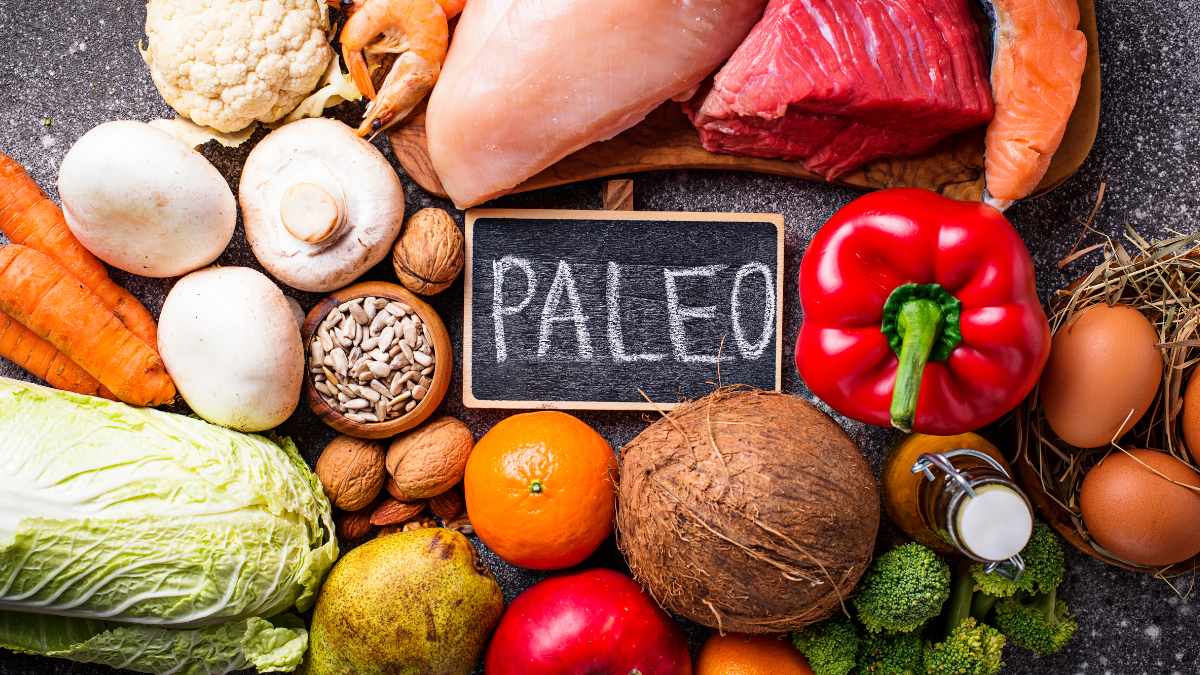
The Paleo diet is rooted in the idea of returning to the eating habits of our ancestors. It advocates for the consumption of foods that would have been available during the Paleolithic era, primarily focusing on meats, fish, fruits, vegetables, nuts, and seeds. The premise is that modern agricultural practices have led to the introduction of foods that are detrimental to human health, such as grains, legumes, and dairy. By mimicking the diets of early humans, proponents believe individuals can achieve better health outcomes.
In contrast, the Keto diet is primarily a low-carbohydrate, high-fat diet designed to shift the body into a state of ketosis. Ketosis occurs when the body, deprived of carbohydrates, begins to burn fat for fuel instead of glucose. This metabolic state is achieved by drastically reducing carbohydrate intake and increasing fat consumption, which can lead to rapid weight loss and improved energy levels. While the Keto diet does allow for some protein, it emphasizes fat as the primary macronutrient.
Both diets advocate for whole, unprocessed foods, but their underlying philosophies differ significantly. The Paleo diet is more focused on what our ancestors ate and the avoidance of modern agricultural products, while the Keto diet is centered around macronutrient manipulation to achieve specific metabolic states. This fundamental difference sets the stage for a deeper exploration of their nutritional principles.
As we compare these two dietary frameworks, it is essential to understand that while they share some similarities, they cater to different health goals and lifestyle choices. The Paleo diet is often seen as a lifestyle choice aimed at overall health improvement, whereas the Keto diet is frequently pursued for weight loss and metabolic health. This distinction is crucial for individuals considering which diet may be more suitable for their personal health objectives.
Key Nutritional Principles of the Paleo Diet
The Paleo diet emphasizes the consumption of whole, nutrient-dense foods while eliminating processed items. This approach is rooted in the belief that modern diets, laden with refined sugars, grains, and artificial additives, contribute to chronic diseases. By focusing on foods such as grass-fed meats, wild-caught fish, fresh fruits and vegetables, nuts, and seeds, the Paleo diet promotes a balanced intake of essential nutrients.
One of the primary nutritional principles of the Paleo diet is the avoidance of grains and legumes. Proponents argue that these foods contain anti-nutrients that can hinder nutrient absorption and contribute to inflammation. Additionally, the diet excludes dairy products, which are often seen as incompatible with human health due to lactose intolerance and potential inflammatory properties.
Another key aspect of the Paleo diet is its focus on healthy fats. This includes sources such as avocados, olive oil, and coconut oil, which are believed to support heart health and provide sustained energy. The diet also encourages a high intake of fiber from fruits and vegetables, which can aid digestion and promote satiety.
Ultimately, the Paleo diet is designed to foster a connection to natural foods and encourage mindful eating. By prioritizing nutrient-dense options and eliminating processed foods, followers aim to improve their overall health and reduce the risk of chronic diseases. This holistic approach sets the stage for a deeper understanding of how it compares to the Keto diet.
Core Components and Restrictions of the Keto Diet
The Keto diet is defined by its strict macronutrient ratios, typically comprising approximately 70-75% fat, 20-25% protein, and only 5-10% carbohydrates. This significant reduction in carbohydrate intake is what distinguishes the Keto diet from other dietary approaches. The primary goal is to induce ketosis, a metabolic state where the body relies on fat for energy instead of carbohydrates.
To achieve these macronutrient ratios, the Keto diet encourages the consumption of high-fat foods such as avocados, nuts, seeds, oils, and fatty cuts of meat. It also permits moderate amounts of protein from sources like fish, poultry, and eggs. However, it strictly limits carbohydrate-rich foods, including grains, legumes, fruits, and starchy vegetables. This restriction is crucial for maintaining ketosis and achieving the desired health benefits.
Unlike the Paleo diet, the Keto diet allows for some processed foods, provided they fit within the macronutrient framework. This includes items like sugar-free snacks, low-carb bread, and certain dairy products, which can be beneficial for those seeking convenience while adhering to strict dietary guidelines. However, the focus remains on whole foods and healthy fats.
The Keto diet also emphasizes the importance of electrolyte balance, as the initial stages of ketosis can lead to a loss of water weight and electrolytes. To counteract this, individuals are encouraged to consume adequate amounts of sodium, potassium, and magnesium. This focus on nutrient balance is essential for maintaining energy levels and overall health while following a low-carb lifestyle.
Comparative Analysis: Macronutrient Ratios in Both Diets
When comparing the macronutrient ratios of the Paleo and Keto diets, it becomes evident that they cater to different metabolic processes and health goals. The Paleo diet typically consists of a balanced intake of macronutrients, often comprising around 30-40% carbohydrates, 30-40% protein, and 20-30% fat. This balance allows for a diverse range of food options while promoting overall health and wellness.
In contrast, the Keto diet is characterized by its extreme low-carbohydrate approach, which is essential for inducing ketosis. The macronutrient ratios in the Keto diet are significantly skewed towards fat, with carbohydrates kept to a minimum. This stark difference in macronutrient distribution leads to different physiological effects and health outcomes.
The Paleo diet’s emphasis on whole foods and a more balanced macronutrient profile may appeal to those looking for a sustainable lifestyle change. It allows for a greater variety of foods, including fruits and starchy vegetables, which can provide essential vitamins and minerals. This approach may be more suitable for individuals seeking long-term health benefits rather than rapid weight loss.
On the other hand, the Keto diet’s specific macronutrient ratios can lead to quicker weight loss results, particularly in the initial stages. However, this approach may be challenging to maintain over time due to its restrictive nature. Understanding these differences in macronutrient ratios is crucial for individuals considering which dietary approach aligns with their health goals and lifestyle preferences.
Potential Health Benefits of Paleo vs. Keto Approaches
Both the Paleo and Keto diets have been associated with various health benefits, but they may cater to different needs. The Paleo diet is often praised for its potential to improve overall health markers, including weight management, blood sugar control, and reduced inflammation. By focusing on whole foods and eliminating processed items, followers may experience improved energy levels and better digestion.
Research suggests that the Paleo diet can lead to weight loss, as it encourages the consumption of nutrient-dense foods that promote satiety. Additionally, the emphasis on healthy fats and lean proteins may support heart health and reduce the risk of chronic diseases. The high fiber content from fruits and vegetables can also contribute to improved gut health and regularity.
Conversely, the Keto diet is particularly known for its effectiveness in weight loss and metabolic health. The state of ketosis can lead to rapid fat loss, making it an appealing option for individuals seeking quick results. Studies have shown that the Keto diet may improve insulin sensitivity and lower blood sugar levels, making it beneficial for those with type 2 diabetes.
However, the restrictive nature of the Keto diet may pose challenges for some individuals, leading to potential nutrient deficiencies if not carefully managed. It is essential for followers to ensure they are consuming a variety of nutrient-dense foods to meet their nutritional needs. Ultimately, the choice between these two diets should be based on individual health goals, preferences, and lifestyle considerations.
Conclusion: Are Paleo and Keto Diets Truly Interchangeable?
While the Paleo and Keto diets share some common ground, particularly in their emphasis on whole foods and the elimination of processed items, they are not interchangeable. The fundamental differences in their macronutrient ratios, food restrictions, and overall philosophies highlight the unique benefits and challenges associated with each approach.
The Paleo diet offers a more balanced macronutrient profile and a focus on nutrient-dense foods, making it suitable for those seeking long-term health improvements. It encourages a diverse range of foods, promoting overall wellness and sustainability. In contrast, the Keto diet is designed for rapid weight loss and metabolic changes through strict carbohydrate restriction, which may be appealing for short-term goals but can be challenging to maintain over time.
Ultimately, the decision to follow either diet should be based on individual health objectives, lifestyle preferences, and personal experiences. Both diets can offer valuable insights into healthy eating patterns, but understanding their differences is crucial for making an informed choice that aligns with one’s health and wellness journey.
Read more:
- Paleo Diet Basics – A comprehensive overview of the Paleo diet, its principles, and potential benefits.
- Keto Diet Explained – An in-depth guide to the Keto diet, including macronutrient breakdown and health impacts.
- Paleo vs. Keto: Which is Better? – A comparative analysis of the two diets, discussing their similarities and differences.
- Health Benefits of the Paleo Diet – A research article exploring the health benefits associated with the Paleo diet.
- Keto Diet and Weight Loss – A study examining the effectiveness of the Keto diet for weight loss and metabolic health.


