


Introduction:
The Mediterranean diet is renowned for its health benefits, emphasizing whole foods, healthy fats, and a variety of plant-based ingredients. As individuals increasingly adopt this dietary pattern, questions arise about the inclusion of certain foods, particularly carbohydrates. One such food is the potato, a staple in many cuisines around the world. This article explores the compatibility of potatoes within the Mediterranean diet, examining their nutritional profile, historical context, and how they compare to other carbohydrate sources.
Understanding the Mediterranean Diet: Key Components Explained
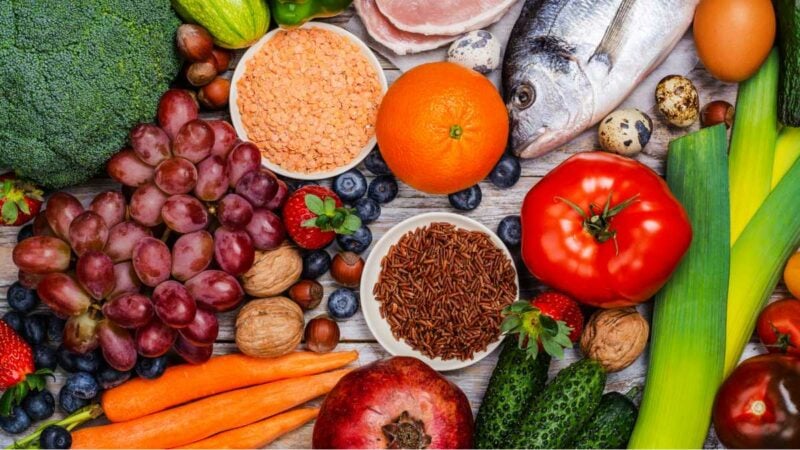
The Mediterranean diet is characterized by a high intake of fruits, vegetables, whole grains, legumes, nuts, and seeds, along with moderate consumption of fish and poultry. Olive oil is the primary source of fat, known for its heart-healthy properties. This diet is not just about the foods consumed but also emphasizes lifestyle factors such as physical activity and social connections during meals.
Central to this dietary pattern is the concept of variety. The Mediterranean diet encourages a diverse range of foods, which helps ensure a broad spectrum of nutrients. This variety is essential for preventing nutrient deficiencies and promoting overall health. Additionally, the diet is rich in antioxidants and anti-inflammatory compounds, contributing to its reputation for reducing the risk of chronic diseases.
Another key component is the moderation in portion sizes and the frequency of consumption of certain foods, particularly red meat and sweets. This approach promotes a balanced intake of macronutrients while allowing for occasional indulgences. The Mediterranean diet also encourages mindful eating, which fosters a healthy relationship with food.
Lastly, the Mediterranean diet is deeply rooted in cultural traditions and local practices. It reflects the agricultural diversity of the Mediterranean region, showcasing seasonal and locally sourced ingredients. This cultural aspect adds an enjoyable dimension to the diet, making it more sustainable in the long run.
Nutritional Profile of Potatoes: Benefits and Drawbacks
Potatoes are often misunderstood in the context of healthy eating. They are a rich source of complex carbohydrates, providing energy and essential nutrients. A medium-sized potato contains about 160 calories, along with significant amounts of vitamin C, vitamin B6, potassium, and dietary fiber. These nutrients contribute to various bodily functions, including immune support and muscle function.
However, potatoes also have a high glycemic index, which means they can cause rapid spikes in blood sugar levels. This is particularly concerning for individuals with insulin resistance or diabetes. The method of preparation can also affect their healthfulness; for instance, fried potatoes or those loaded with butter and cream can negate their nutritional benefits.
Despite these drawbacks, potatoes can fit into a balanced diet when prepared healthily. Baking, boiling, or steaming potatoes preserves their nutrients while minimizing added fats and calories. When consumed in moderation, potatoes can provide a satisfying and nutritious source of carbohydrates.
Moreover, the fiber content in potatoes, especially when consumed with the skin, can aid in digestion and promote feelings of fullness. This can help regulate appetite and prevent overeating, making potatoes a potentially beneficial component of a well-rounded diet.
Potatoes in Mediterranean Cuisine: Historical Context
Historically, potatoes were introduced to Europe from the Americas in the late 16th century. Initially met with skepticism, they eventually became a staple in various European cuisines, including those of Mediterranean countries. In Italy, for instance, potatoes are used in dishes like gnocchi and various rustic stews, showcasing their versatility.
In Mediterranean cuisine, potatoes are often combined with other traditional ingredients such as olive oil, garlic, and herbs. This not only enhances their flavor but also aligns with the principles of the Mediterranean diet by incorporating healthy fats and aromatic plants. The use of potatoes in these dishes exemplifies how they can complement the overall dietary pattern.
Furthermore, potatoes are often featured in regional specialties, highlighting the cultural significance of this tuber. In Spain, for example, patatas bravas is a popular dish that showcases the potato’s adaptability. Such dishes reflect the historical integration of potatoes into Mediterranean culinary traditions.
Despite their relatively recent introduction, potatoes have carved out a place in Mediterranean cuisine, demonstrating their ability to blend with local flavors and ingredients. This historical context is essential for understanding how potatoes can be incorporated into a Mediterranean lifestyle.
Comparing Potatoes to Other Carbohydrate Sources
When considering carbohydrate sources within the Mediterranean diet, it is essential to compare potatoes with other options such as whole grains, legumes, and other starchy vegetables. Whole grains like quinoa, brown rice, and farro are often favored for their higher fiber content and lower glycemic index. These grains provide sustained energy and a range of nutrients that support overall health.
Legumes, including lentils, chickpeas, and beans, are another staple in the Mediterranean diet. They are not only rich in protein but also provide complex carbohydrates and fiber. Compared to potatoes, legumes have a lower glycemic index, making them a better option for blood sugar control. However, potatoes can still be a valuable addition to a balanced diet when consumed mindfully.
Starchy vegetables, such as sweet potatoes and squash, offer additional alternatives to traditional potatoes. These options often provide more vitamins and minerals, such as beta-carotene and vitamin A. However, the key is to embrace diversity in carbohydrate sources, ensuring a range of nutrients and flavors in the diet.
Ultimately, the choice of carbohydrate sources should be guided by individual health goals, preferences, and cultural practices. Potatoes can certainly coexist with other carbohydrate-rich foods within the Mediterranean diet, provided they are consumed in moderation and prepared healthily.
Moderation and Portion Control: Potatoes in Your Diet
Incorporating potatoes into a Mediterranean diet requires an understanding of moderation and portion control. While potatoes can be nutritious, they should not dominate the carbohydrate portion of a meal. Instead, they can be enjoyed as part of a balanced plate that includes a variety of vegetables, healthy fats, and protein sources.
A practical approach is to use potatoes as a side dish rather than the main component of a meal. For example, pairing a small serving of roasted potatoes with grilled fish and a colorful salad can create a satisfying and nutritionally balanced dish. This method allows for the enjoyment of potatoes while ensuring that other healthy foods are also included.
Mindful eating practices can further enhance the experience of consuming potatoes. Paying attention to hunger cues and savoring each bite can prevent overeating and promote a healthier relationship with food. Additionally, being aware of portion sizes can help individuals gauge the appropriate amount of potatoes to include in their meals.
Ultimately, moderation is key. By enjoying potatoes in reasonable portions and combining them with a variety of other nutritious foods, individuals can successfully integrate this versatile ingredient into their Mediterranean lifestyle.
Conclusions:
Potatoes can indeed find a place within the Mediterranean diet when approached with mindfulness and balance. Their nutritional benefits, historical significance, and culinary versatility make them a valuable addition to this dietary pattern. By focusing on healthy preparation methods and practicing moderation, individuals can enjoy potatoes while reaping the benefits of the Mediterranean lifestyle.
Read more
- Mediterranean Diet Basics – An overview of the Mediterranean diet, its components, and health benefits.
- Nutritional Profile of Potatoes – A comprehensive database providing nutritional information on potatoes and other foods.
- The Role of Carbohydrates in a Healthy Diet – Insights into the importance of carbohydrates in a balanced diet.
- Culinary Uses of Potatoes in Mediterranean Cuisine – A collection of traditional Mediterranean recipes featuring potatoes.
- Portion Control and Mindful Eating – Guidelines on portion control and the principles of mindful eating.