


Introduction:
The Mediterranean diet has garnered attention for its health benefits, emphasizing whole foods, healthy fats, and a variety of plant-based ingredients. As people seek to adopt this diet, questions arise about the inclusion of certain foods, particularly those considered starchy, like potatoes. This article delves into the compatibility of potatoes within the Mediterranean diet, examining their nutritional profile, portion control, cooking methods, and how they can fit into a balanced approach to eating.
Understanding the Mediterranean Diet: Key Principles Explained
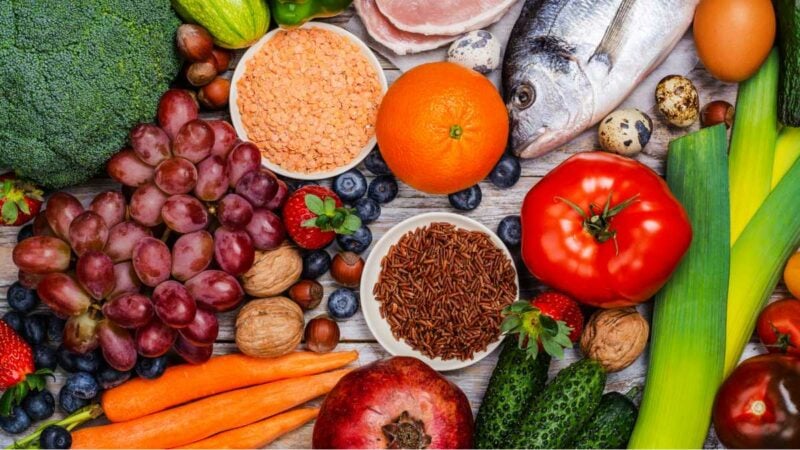
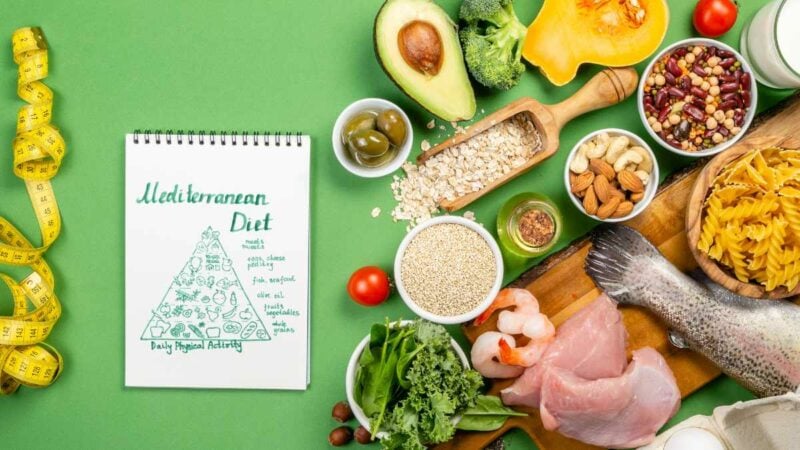
The Mediterranean diet is rooted in the traditional eating patterns of countries bordering the Mediterranean Sea, such as Greece, Italy, and Spain. Key principles include a high intake of fruits, vegetables, whole grains, legumes, nuts, and olive oil, while limiting red meat and processed foods. This diet also encourages moderate consumption of fish and poultry, along with dairy products, primarily from yogurt and cheese.
Central to this dietary pattern is the concept of eating seasonally and locally, promoting fresh produce and minimizing processed ingredients. The Mediterranean diet is not just about food; it also emphasizes the importance of social connections and enjoying meals with family and friends, which contributes to overall well-being.
Another critical aspect is the focus on healthy fats, particularly from olive oil, which is rich in monounsaturated fats and antioxidants. This contrasts with diets high in saturated fats and sugars, which can lead to chronic health issues. The Mediterranean diet has been linked to numerous health benefits, including reduced risk of heart disease, improved cognitive function, and better weight management.
Finally, the Mediterranean diet encourages physical activity as part of a healthy lifestyle. This holistic approach to eating and living promotes balance and sustainability, making it a popular choice for those seeking long-term health improvements.
Nutritional Profile of Potatoes: Benefits and Drawbacks
Potatoes are a versatile food that provides several nutritional benefits. They are an excellent source of complex carbohydrates, which are essential for energy, particularly for those with active lifestyles. Additionally, potatoes are rich in vitamins and minerals, including vitamin C, vitamin B6, and potassium, all of which play vital roles in bodily functions.
However, potatoes also have their drawbacks. They are often perceived as a high-glycemic food, which means they can cause a rapid spike in blood sugar levels. This is particularly concerning for individuals with insulin resistance or diabetes. Moreover, the way potatoes are prepared can significantly impact their healthfulness; for instance, frying potatoes can add unhealthy fats and calories.
Despite these drawbacks, when consumed in moderation and prepared healthily, potatoes can be a valuable addition to a balanced diet. They contain fiber, especially when the skin is left on, which aids in digestion and promotes a feeling of fullness. Furthermore, potatoes are naturally low in calories and fat, making them a suitable option for those looking to maintain or lose weight.
In summary, while potatoes offer nutritional benefits, it is essential to consider their potential drawbacks and how they fit into an overall dietary pattern. Understanding these factors can help individuals make informed choices about including potatoes in their meals.
Compatibility of Potatoes Within Mediterranean Food Patterns
When examining the compatibility of potatoes within the Mediterranean diet, it is essential to consider how they align with the overall principles of this eating pattern. While potatoes are not a staple in traditional Mediterranean cuisines, they are used in various dishes, particularly in regions like Southern Italy and Greece. Here, they are often combined with vegetables, legumes, and healthy fats, which enhances their nutritional profile.
Potatoes can serve as a filling and nutritious base for meals, allowing for the incorporation of a variety of other Mediterranean ingredients. For instance, roasted potatoes can be paired with olive oil, garlic, and herbs, creating a flavorful dish that complements the diet’s emphasis on whole foods. Additionally, potatoes can be used in salads or as a side dish, providing a satisfying texture and taste.
However, it is crucial to avoid excessive consumption of potatoes, especially in their processed forms, such as chips or fries, which do not align with the Mediterranean diet’s focus on whole, minimally processed foods. Instead, the emphasis should be on preparing potatoes in ways that retain their nutritional value and complement other healthy ingredients.
Ultimately, while potatoes may not be a primary component of the Mediterranean diet, they can be incorporated thoughtfully and healthily, allowing for a diverse and enjoyable eating experience.
Portion Control: How Much Potato is Acceptable?
Portion control is a vital aspect of including potatoes in a healthy diet, particularly within the Mediterranean framework. The key to enjoying potatoes without compromising health goals lies in moderation. A standard serving size of potatoes is typically around one medium potato or about 150 grams, which provides a reasonable amount of carbohydrates without excessive calorie intake.
When incorporating potatoes into meals, it is essential to balance them with other food groups. For example, pairing potatoes with a generous serving of vegetables, lean protein, and healthy fats can create a well-rounded meal. This approach not only enhances the nutritional value of the dish but also helps control overall calorie consumption.
Moreover, individuals should be mindful of their personal dietary needs and activity levels when determining portion sizes. Those with higher energy requirements, such as athletes, may benefit from larger servings of potatoes, while those aiming for weight management might choose to limit their intake. Listening to one’s body and adjusting portions accordingly is crucial for maintaining a healthy balance.
In conclusion, while potatoes can be included in the Mediterranean diet, practicing portion control is essential to ensure they contribute positively to overall health and well-being.
Cooking Methods: Preparing Potatoes for a Healthy Diet
The method of preparation plays a significant role in determining the healthfulness of potatoes. Traditional Mediterranean cooking methods, such as boiling, baking, or roasting, are preferable to frying, which can introduce unhealthy fats and excess calories. Baking or roasting potatoes with a drizzle of olive oil, herbs, and spices can enhance their flavor while keeping them nutritious.
Another healthy option is to steam potatoes, which helps retain their vitamins and minerals. Steaming also preserves the natural flavors of the potatoes, allowing them to be enjoyed without heavy sauces or added fats. When preparing potatoes, it is advisable to leave the skin on, as it contains a significant amount of fiber and essential nutrients.
Incorporating potatoes into dishes that feature other Mediterranean staples can also enhance their health benefits. For instance, adding potatoes to a vegetable stew or incorporating them into a salad with olive oil, lemon juice, and fresh herbs can create a balanced and flavorful meal. This not only diversifies the nutrient profile but also aligns with the Mediterranean diet’s emphasis on variety.
Lastly, experimenting with different types of potatoes can also contribute to a healthier diet. Sweet potatoes, for example, are rich in antioxidants and have a lower glycemic index than regular potatoes, making them a suitable alternative for those concerned about blood sugar levels. By exploring various cooking methods and potato varieties, individuals can enjoy this versatile food while adhering to the principles of the Mediterranean diet.
Conclusions: Incorporating Potatoes in a Balanced Approach
Incorporating potatoes into a Mediterranean diet can be both enjoyable and beneficial when done thoughtfully. While they are not a primary staple of the diet, their nutritional value and versatility allow for their inclusion in a balanced manner. Understanding the key principles of the Mediterranean diet, the nutritional profile of potatoes, and the importance of portion control and cooking methods can guide individuals in making informed dietary choices.
Ultimately, the Mediterranean diet is about balance, variety, and enjoyment of food. By embracing a holistic approach to eating, individuals can appreciate the flavors and benefits of potatoes while still adhering to the core tenets of this healthful dietary pattern. With mindful preparation and consumption, potatoes can indeed find a place on the Mediterranean table.
Read more
- Mediterranean Diet Basics – A comprehensive overview of the Mediterranean diet, its principles, and health benefits.
- Nutritional Value of Potatoes – Detailed nutritional information about potatoes, including their vitamins, minerals, and health benefits.
- Portion Control Guidelines – Guidelines on portion sizes for various food groups to help maintain a balanced diet.
- Healthy Cooking Methods – A resource on different cooking methods that promote health and nutrition.
- Mediterranean Diet Recipes – A collection of delicious recipes that align with the Mediterranean diet, featuring various ingredients, including potatoes.