


Introduction:
The Mediterranean diet is widely celebrated for its health benefits, emphasizing whole foods, healthy fats, and a variety of plant-based ingredients. As more people seek to adopt this dietary pattern, questions arise about the inclusion of certain foods, such as rice. This article explores the compatibility of rice within the Mediterranean diet framework, examining its nutritional profile, types, and potential health impacts, while providing practical suggestions for incorporation.
Understanding the Mediterranean Diet: Key Principles Explained
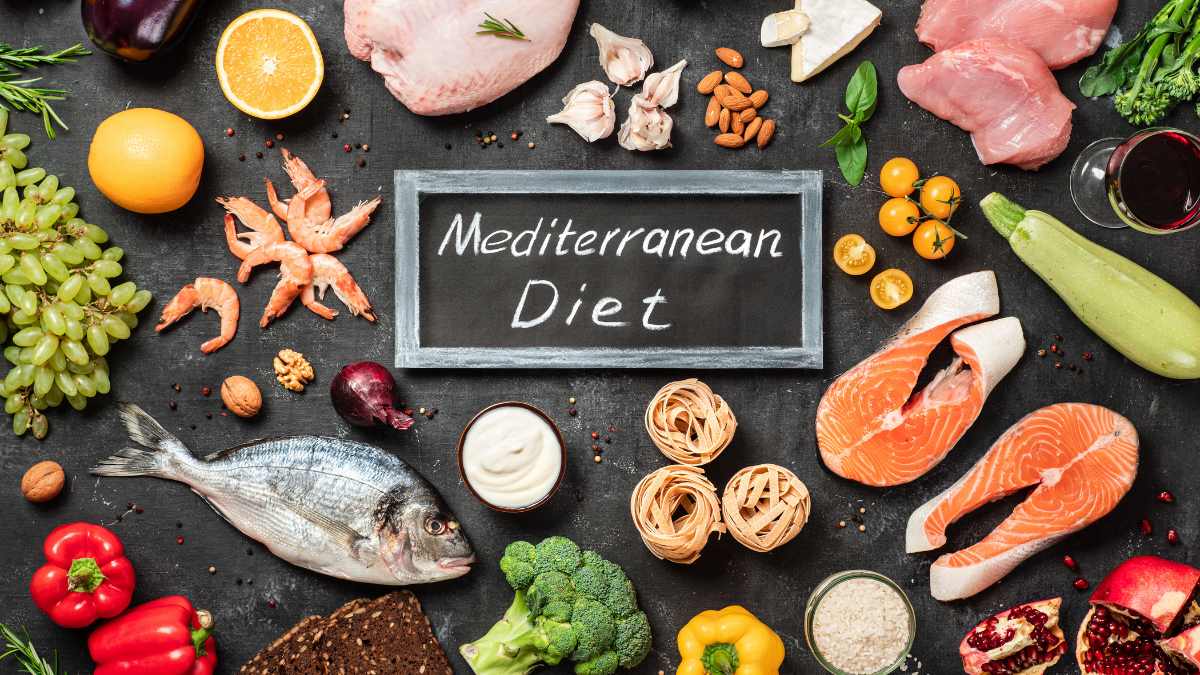
The Mediterranean diet is rooted in the traditional eating habits of countries bordering the Mediterranean Sea, such as Greece, Italy, and Spain. Key principles include a high intake of fruits, vegetables, whole grains, legumes, nuts, and seeds, complemented by moderate consumption of fish and poultry, and limited intake of red meat and sweets. This diet is rich in healthy fats, primarily from olive oil, and encourages the use of herbs and spices for flavoring instead of salt.
A significant aspect of the Mediterranean diet is its focus on seasonal and local foods. This not only enhances the flavor and nutritional value of meals but also supports sustainable agricultural practices. Eating in moderation is emphasized, promoting a balanced approach to food consumption that encourages mindfulness and enjoyment of meals.
Social connections and communal eating are also integral to the Mediterranean lifestyle. Sharing meals with family and friends fosters a sense of community and can contribute to emotional well-being. This aspect of the diet highlights the importance of not just what we eat, but how we eat, promoting a holistic approach to health.
In summary, the Mediterranean diet is characterized by its emphasis on whole, minimally processed foods, healthy fats, and a lifestyle that values social interaction and mindful eating. Understanding these principles is crucial for assessing the role of rice within this dietary framework.
Nutritional Profile of Rice: Benefits and Drawbacks
Rice is a staple food for many cultures worldwide, providing a significant source of carbohydrates. Its nutritional profile varies depending on the type of rice consumed. For instance, brown rice retains its bran and germ layers, making it more nutrient-dense than white rice, which is stripped of these components. Brown rice is higher in fiber, vitamins, and minerals, contributing to better digestive health and prolonged satiety.
One of the primary benefits of rice is its versatility. It can be incorporated into various dishes, from salads to main courses, making it an adaptable ingredient for Mediterranean meals. Additionally, rice is gluten-free, making it a suitable option for those with gluten sensitivities or celiac disease.
However, rice also has some drawbacks. White rice, in particular, has a high glycemic index, which can lead to rapid spikes in blood sugar levels. This is a concern for individuals managing diabetes or those looking to maintain steady energy levels throughout the day. Furthermore, excessive consumption of rice, especially in its refined form, may contribute to weight gain if not balanced with other nutrient-dense foods.
In conclusion, while rice offers certain nutritional benefits, it is essential to consider its type and portion size within the Mediterranean diet to maximize its advantages while minimizing potential drawbacks.
Types of Rice: Which Varieties Align with Mediterranean Guidelines?
When considering rice in the context of the Mediterranean diet, it is essential to focus on whole grain varieties. Brown rice, for example, is an excellent choice, as it retains its bran and germ, providing more fiber and nutrients than its white counterpart. Wild rice, although not technically rice, is another whole grain option that offers a unique flavor and a variety of nutrients.
Another variety worth mentioning is arborio rice, commonly used in Italian risottos. While it is a short-grain rice and has a higher starch content, it can be enjoyed in moderation as part of a balanced meal. Its creamy texture can enhance dishes when combined with vegetables and healthy fats, aligning with Mediterranean principles.
Basmati rice, often used in Mediterranean and Middle Eastern cuisines, is also a viable option. It has a lower glycemic index than many other rice types, making it a better choice for those concerned about blood sugar levels. Its aromatic flavor can enhance various dishes, making it a delightful addition to a Mediterranean meal plan.
In summary, choosing whole grain and less processed varieties of rice can help align rice consumption with the principles of the Mediterranean diet, allowing for a balanced and nutritious approach to meal planning.
Incorporating Rice into Mediterranean Meal Plans Effectively
To effectively incorporate rice into a Mediterranean meal plan, it is crucial to focus on portion control and balance. Rice can serve as a base for a variety of dishes, but it should be complemented with plenty of vegetables, legumes, and healthy fats to create a well-rounded meal. For instance, a Mediterranean-style rice bowl can include roasted vegetables, chickpeas, a drizzle of olive oil, and a sprinkle of feta cheese.
Another effective strategy is to use rice as a side dish rather than the main component of a meal. Pairing rice with grilled fish or chicken, along with a generous serving of salad, can help maintain the focus on lean proteins and vegetables while still enjoying the benefits of rice. This approach not only enhances the nutritional profile of the meal but also encourages a diverse range of flavors and textures.
Incorporating herbs and spices is another way to elevate rice dishes within the Mediterranean framework. Ingredients such as saffron, oregano, and lemon zest can enhance the flavor of rice, making it a more appealing and satisfying part of the meal. These additions also contribute to the overall health benefits associated with the Mediterranean diet.
Ultimately, the key to incorporating rice into a Mediterranean meal plan lies in mindful consumption. By focusing on whole grain varieties, balancing portions, and complementing rice with a variety of nutrient-dense foods, individuals can enjoy rice while adhering to the principles of the Mediterranean diet.
Potential Health Impacts of Rice Consumption in This Diet
The health impacts of rice consumption within the Mediterranean diet can be multifaceted. On one hand, when consumed in moderation and as part of a balanced diet, rice can provide essential carbohydrates and energy. Whole grain varieties, such as brown rice, contribute to improved digestive health due to their higher fiber content, which can aid in maintaining a healthy weight and reducing the risk of chronic diseases.
However, it is important to consider the glycemic index of rice, particularly with white rice. High glycemic foods can lead to spikes in blood sugar levels, which may be detrimental for individuals with insulin resistance or diabetes. Therefore, choosing lower glycemic options, such as basmati or brown rice, can mitigate these risks while still allowing for the enjoyment of rice in meals.
Moreover, the potential for arsenic accumulation in rice is a growing concern. Rice tends to absorb more arsenic from the soil compared to other crops. To minimize exposure, it is advisable to choose rice from reputable sources and to rinse it thoroughly before cooking. Additionally, varying the grains consumed can help reduce the overall risk of arsenic exposure.
In conclusion, while rice can be a valuable component of the Mediterranean diet, it is essential to be mindful of its type, portion size, and potential health impacts. By making informed choices, individuals can enjoy the benefits of rice while maintaining a balanced and healthful diet.
Conclusions:
Incorporating rice into a Mediterranean diet is not only possible but can also be beneficial when approached thoughtfully. By focusing on whole grain varieties, balancing portions with nutrient-dense foods, and being mindful of the glycemic index and potential contaminants, individuals can enjoy rice as part of a healthy lifestyle. Ultimately, the Mediterranean diet encourages a diverse range of foods, and rice can fit seamlessly into this colorful and nutritious eating pattern.
Read more
- Mediterranean Diet Overview – A comprehensive guide to the Mediterranean diet, its principles, and health benefits.
- The Nutritional Value of Rice – An in-depth analysis of the nutritional profile of various rice types and their health implications.
- Whole Grains and Health – A study exploring the health benefits of whole grains, including brown rice, in dietary patterns.
- Arsenic in Rice: Health Effects – An informative resource from the FDA discussing arsenic levels in rice and recommendations for safe consumption.
- Mediterranean Diet Recipes – A collection of Mediterranean diet recipes that incorporate rice and other wholesome ingredients for balanced meals.