

Introduction:
The Mediterranean diet is celebrated for its health benefits and emphasis on whole, unprocessed foods. As individuals explore this dietary approach, questions often arise about specific foods and their compatibility with the principles of the diet. One such food is popcorn, a popular snack enjoyed by many. This article will delve into whether popcorn can be a part of the Mediterranean diet by examining its nutritional profile, health benefits, and potential drawbacks, while also offering practical tips for incorporation.
Understanding the Mediterranean Diet: Key Principles Explained
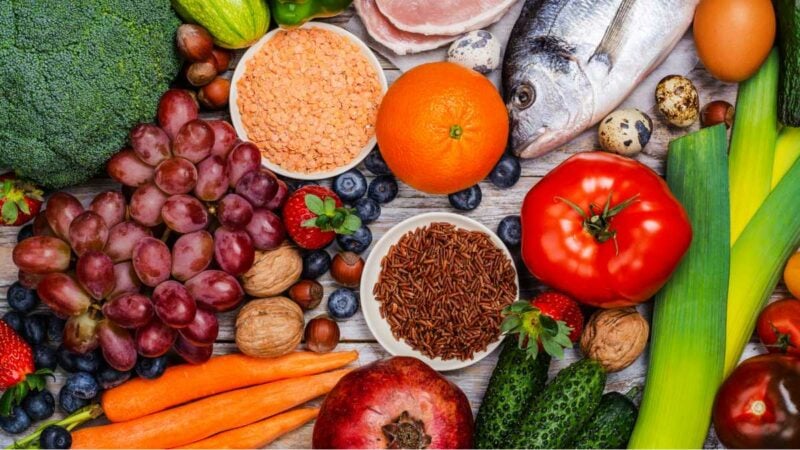
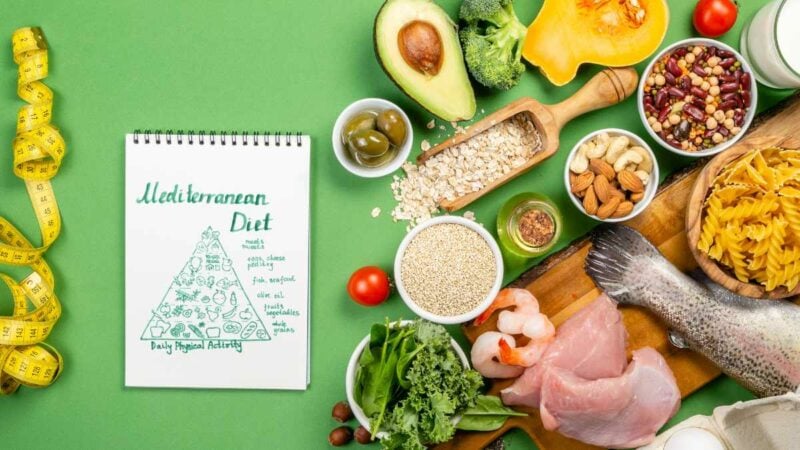
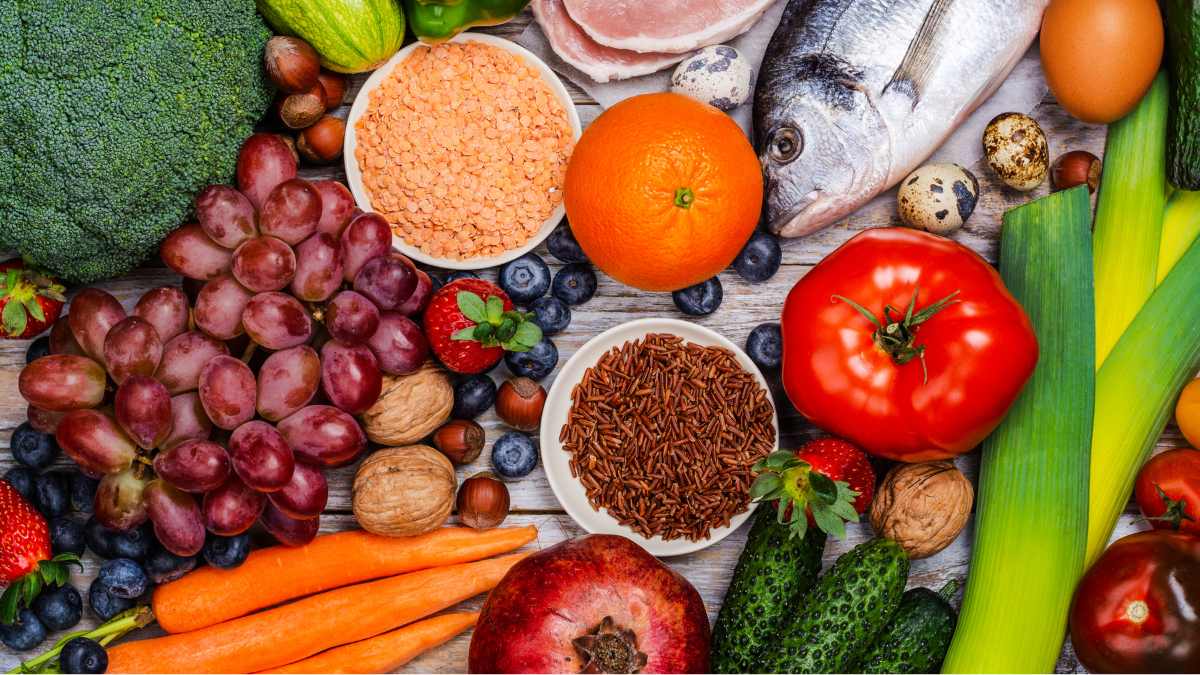
The Mediterranean diet is rooted in the traditional eating patterns of countries bordering the Mediterranean Sea. It emphasizes a high intake of fruits, vegetables, whole grains, legumes, nuts, and seeds, while promoting healthy fats, particularly from olive oil. Moderate consumption of fish and poultry is encouraged, while red meat and sweets are limited. This diet is not just about food choices; it also incorporates lifestyle factors such as enjoying meals with family and friends and engaging in regular physical activity.
One of the key principles of the Mediterranean diet is the focus on whole foods. This means avoiding processed foods and refined sugars, which are often high in unhealthy fats and additives. Instead, the diet encourages the consumption of fresh, seasonal produce and minimally processed grains. This approach not only supports overall health but also promotes sustainability and a connection to local food sources.
Another important aspect is the emphasis on healthy fats. Olive oil, a staple in Mediterranean cuisine, is rich in monounsaturated fats and antioxidants, contributing to heart health and reducing inflammation. The diet also includes sources of omega-3 fatty acids, primarily from fish and seafood, which are essential for brain health and overall well-being.
Finally, the Mediterranean diet encourages a balanced approach to eating. It promotes moderation rather than restriction, allowing for the enjoyment of various foods. This flexibility is one reason why the Mediterranean diet is often considered more sustainable and easier to maintain in the long term compared to more restrictive diets.
Nutritional Profile of Popcorn: A Comprehensive Analysis
Popcorn is a whole grain, making it a source of dietary fiber, which is essential for digestive health. A typical serving of air-popped popcorn contains about 30 calories, 1 gram of protein, and 6 grams of carbohydrates, with approximately 1 gram of fiber. This makes popcorn a low-calorie snack option, particularly when prepared without excessive butter or oil.
In terms of micronutrients, popcorn offers a modest amount of vitamins and minerals. It contains small amounts of B vitamins, including niacin and thiamine, which are important for energy metabolism. Additionally, popcorn provides antioxidants, such as polyphenols, which can help combat oxidative stress in the body. These compounds are particularly abundant in the hull of the popcorn kernel, which is often discarded in processed popcorn products.
However, the nutritional value of popcorn can vary significantly depending on how it is prepared. For example, popcorn that is heavily buttered or flavored with salt can quickly transform from a healthy snack into a calorie-dense indulgence. Therefore, it is crucial to consider preparation methods when evaluating popcorn’s place in a balanced diet.
Overall, popcorn can be a nutritious snack when consumed in moderation and prepared healthily. Its whole grain status aligns with the principles of the Mediterranean diet, but the context of its consumption is essential to ensure it contributes positively to overall dietary patterns.
The Role of Whole Grains in the Mediterranean Diet
Whole grains are a cornerstone of the Mediterranean diet, providing essential nutrients and fiber that support overall health. They are linked to a reduced risk of chronic diseases, including heart disease, diabetes, and certain cancers. Whole grains, such as barley, bulgur, farro, and whole wheat, are staples in Mediterranean cuisine, often featured in salads, stews, and side dishes.
Incorporating whole grains into meals helps to maintain steady blood sugar levels, thanks to their low glycemic index. This is particularly beneficial for individuals looking to manage their weight or reduce their risk of developing type 2 diabetes. Whole grains also promote satiety, which can help prevent overeating and contribute to a healthy weight.
Popcorn, as a whole grain, fits into this framework. While it may not be as commonly recognized as other whole grains in Mediterranean cooking, it offers a convenient and enjoyable way to increase whole grain intake. When prepared without excessive fats or sugars, popcorn can serve as a satisfying snack that aligns with the principles of the Mediterranean diet.
Moreover, the inclusion of various whole grains in the diet enhances dietary diversity, which is a key component of the Mediterranean approach. This diversity not only contributes to a more enjoyable eating experience but also ensures a broader range of nutrients, supporting overall health and well-being.
Evaluating Popcorn’s Health Benefits and Nutritional Value
Popcorn has several health benefits that make it an attractive snack option. As a whole grain, it is rich in dietary fiber, which aids digestion and promotes a feeling of fullness. This can be particularly helpful for those looking to manage their weight, as higher fiber intake is associated with reduced calorie consumption.
Additionally, the antioxidants found in popcorn, such as polyphenols, contribute to its health benefits. These compounds help protect cells from oxidative damage and may reduce the risk of chronic diseases. The presence of these antioxidants in popcorn is higher than in many fruits and vegetables, making it a surprisingly potent source of beneficial nutrients.
Another advantage of popcorn is its versatility. It can be flavored in various ways to suit individual preferences, whether with herbs, spices, or a light drizzle of olive oil. This adaptability allows it to fit seamlessly into the Mediterranean diet, where flavor and enjoyment are paramount.
However, it is essential to consume popcorn mindfully. While it offers numerous health benefits, portion control is crucial to avoid excessive calorie intake, especially when toppings are added. When enjoyed in moderation and prepared healthily, popcorn can be a valuable addition to a balanced diet.
Potential Drawbacks of Consuming Popcorn on This Diet
Despite its many benefits, there are potential drawbacks to consider when incorporating popcorn into the Mediterranean diet. One significant concern is the preparation method. Many commercially available popcorn products are heavily processed and contain unhealthy additives, such as artificial flavorings, excessive salt, and unhealthy fats. These options can detract from the healthful qualities of popcorn and contribute to an unhealthy diet.
Another issue is portion size. It is easy to overeat popcorn, especially when snacking mindlessly while watching television or during social gatherings. This can lead to excessive calorie intake, which may counteract the weight management benefits associated with the Mediterranean diet. Being mindful of portion sizes and serving popcorn in appropriate amounts is crucial for maintaining a balanced diet.
Additionally, individuals with certain dietary restrictions, such as those with gluten intolerance or sensitivity, should exercise caution. While popcorn itself is gluten-free, cross-contamination can occur during processing or preparation. It is essential to ensure that popcorn is sourced from reputable brands that adhere to gluten-free practices if this is a concern.
Finally, while popcorn can be a healthy snack, it should not replace more nutrient-dense foods in the diet. The Mediterranean diet emphasizes a variety of food groups, including fruits, vegetables, legumes, and healthy fats. Popcorn should be enjoyed as an occasional snack rather than a primary food source to ensure a well-rounded and nutritious diet.
Practical Tips for Incorporating Popcorn into Your Meals
Incorporating popcorn into the Mediterranean diet can be both enjoyable and nutritious when done thoughtfully. One effective way to enjoy popcorn is by preparing it at home using an air popper or stovetop method with minimal oil. This allows for control over the ingredients and ensures that the popcorn remains a healthy snack option.
Flavoring popcorn with Mediterranean-inspired seasonings can enhance its taste while keeping it aligned with the diet’s principles. Consider using herbs like oregano, thyme, or rosemary, or spices such as paprika or garlic powder. A light drizzle of high-quality olive oil can also add flavor and healthy fats without overwhelming the snack.
Popcorn can also be incorporated into meals beyond snacking. For example, it can be used as a crunchy topping for salads or soups, adding texture and a whole grain component. Mixing popcorn with nuts and dried fruits can create a nutritious trail mix that is perfect for on-the-go snacking.
Lastly, practicing mindful eating while enjoying popcorn is essential. Taking the time to savor the flavors and textures can enhance the overall experience and help prevent overeating. By being intentional about portion sizes and preparation methods, popcorn can be a delightful addition to a Mediterranean-inspired meal plan.
Conclusions:
In summary, popcorn can indeed be a part of the Mediterranean diet when prepared and consumed mindfully. Its whole grain status, low calorie count, and potential health benefits make it a suitable snack option. However, attention must be paid to preparation methods and portion sizes to ensure it aligns with the diet’s principles. By incorporating popcorn thoughtfully and creatively, individuals can enjoy this popular snack while reaping the benefits of the Mediterranean lifestyle.
Read more
- Mediterranean Diet Overview – A comprehensive guide to the Mediterranean diet, including its principles and health benefits.
- Nutritional Benefits of Popcorn – A scientific article discussing the nutritional profile and health benefits of popcorn.
- Whole Grains and Health – An in-depth look at the role of whole grains in a healthy diet and their health benefits.
- Healthy Snack Ideas – Tips and ideas for incorporating healthy snacks, including popcorn, into your diet.
- Mindful Eating Practices – A research article exploring the benefits of mindful eating and its impact on dietary habits.