


Introduction:
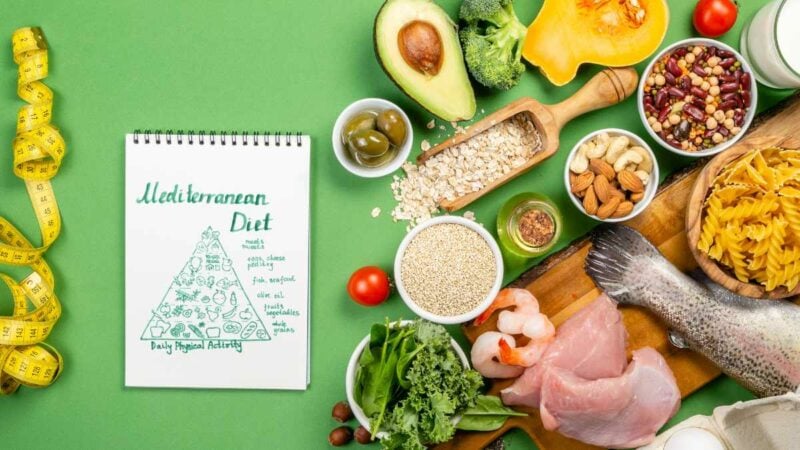
The Mediterranean diet is celebrated for its health benefits, emphasizing whole foods, healthy fats, and a balanced approach to nutrition. While olive oil is often hailed as the cornerstone of this diet, the question arises: can butter have a place in this culinary tradition? This article delves into the role of fats in the Mediterranean diet, comparing butter with olive oil, examining the health implications of butter consumption, exploring alternative fats, and discussing the culinary uses of butter in Mediterranean-inspired recipes.
Understanding the Role of Fats in the Mediterranean Diet
Fats play a crucial role in the Mediterranean diet, serving as a primary source of energy and essential fatty acids. The diet predominantly features unsaturated fats, particularly monounsaturated fats, which are found in olive oil, nuts, and avocados. These fats are known for their heart-health benefits, including lowering bad cholesterol levels and reducing the risk of cardiovascular diseases. The Mediterranean diet encourages the consumption of these healthy fats while limiting saturated fats, which are often found in animal products.
In this context, butter, which is high in saturated fat, has traditionally been viewed with caution. However, the Mediterranean diet is not a strict regimen but rather a flexible framework that allows for personal preferences and regional variations. Some Mediterranean cultures do incorporate butter into their cooking, albeit in moderation. Understanding the balance between different types of fats is essential for adhering to the principles of this diet while enjoying a variety of flavors.
Moreover, the Mediterranean diet emphasizes the importance of food quality over quantity. This means that when fats are consumed, they should ideally come from high-quality sources. While olive oil is often the preferred choice, using butter occasionally can add richness and depth to dishes, provided it is balanced with healthier fat sources. This flexibility allows individuals to enjoy a broader range of culinary experiences while still adhering to the fundamental principles of the diet.
Ultimately, the Mediterranean diet advocates for a holistic approach to eating, where the enjoyment of food is just as important as its nutritional value. This perspective opens the door for incorporating butter into meals, as long as it is done thoughtfully and in moderation.
Nutritional Profile of Butter Compared to Olive Oil
Butter and olive oil differ significantly in their nutritional profiles. Butter, derived from animal fat, contains approximately 62% saturated fat, 30% monounsaturated fat, and 8% polyunsaturated fat. In contrast, olive oil is predominantly composed of monounsaturated fats, making up about 73% of its total fat content, with only 14% saturated fat. This difference in fat composition is crucial when considering their health implications.
The high saturated fat content in butter has been linked to increased levels of LDL cholesterol, often referred to as "bad" cholesterol. In contrast, the monounsaturated fats in olive oil are associated with improved heart health and reduced inflammation. Additionally, olive oil is rich in antioxidants and anti-inflammatory compounds, such as oleocanthal, which may provide additional health benefits that butter lacks.
Despite these differences, butter does offer some nutritional advantages. It is a source of fat-soluble vitamins, including vitamins A, D, E, and K, which are essential for various bodily functions. Furthermore, butter contains butyrate, a short-chain fatty acid that has been linked to anti-inflammatory effects and improved gut health. However, the overall health benefits of these compounds must be weighed against the potential risks associated with high saturated fat intake.
In summary, while both butter and olive oil can contribute to a balanced diet, their differing nutritional profiles suggest that olive oil is the healthier choice for regular consumption, particularly within the context of the Mediterranean diet. However, butter can still be enjoyed occasionally, provided it is used in moderation and balanced with healthier fat sources.
Health Implications of Butter Consumption in Moderation
Moderate consumption of butter can fit into a healthy diet, particularly when it is part of a balanced intake of fats. Research indicates that the key to a healthy diet is not solely about avoiding saturated fats but rather about the overall dietary pattern. When butter is consumed in moderation, it can be part of a varied diet that includes plenty of fruits, vegetables, whole grains, and lean proteins.
Some studies suggest that moderate butter consumption does not significantly increase the risk of heart disease when included in a diet rich in other healthy fats, such as those found in nuts and fish. This finding underscores the importance of context; the overall dietary pattern plays a more significant role in health outcomes than the consumption of individual foods. Therefore, individuals who enjoy butter should focus on maintaining a balanced diet that prioritizes whole, unprocessed foods.
It is also essential to consider individual health conditions and dietary needs. For instance, those with specific health concerns, such as high cholesterol or heart disease, may need to limit their saturated fat intake more strictly. In such cases, consulting a healthcare professional or a registered dietitian can provide personalized guidance on incorporating butter into the diet safely.
Ultimately, the key takeaway is that butter can be enjoyed as part of a healthy eating pattern, provided it is consumed mindfully and in moderation. By balancing butter with healthier fat sources and maintaining a diverse diet, individuals can enjoy the flavors and textures that butter adds to their meals without compromising their health.
Alternative Fats: Exploring Options Beyond Butter
While butter can be enjoyed in moderation, there are numerous alternative fats that align more closely with the principles of the Mediterranean diet. Olive oil remains the gold standard, celebrated for its health benefits and versatility in cooking. Its high smoke point makes it suitable for sautéing, roasting, and drizzling over salads, providing a rich flavor that enhances a variety of dishes.
Other alternatives include avocado oil, which is also rich in monounsaturated fats and offers a mild flavor that works well in dressings and marinades. Coconut oil, while higher in saturated fat, can be used sparingly for baking or in dishes where its unique flavor complements the other ingredients. Additionally, nut butters, such as almond or cashew butter, provide healthy fats along with protein and fiber, making them excellent options for spreads or smoothies.
Incorporating a variety of fats into the diet can enhance flavor and texture while providing a broader range of nutrients. For instance, incorporating seeds and nuts into meals not only adds healthy fats but also provides essential vitamins and minerals. This diversity can help prevent monotony in the diet and encourage a more enjoyable eating experience.
Ultimately, exploring alternative fats allows individuals to enjoy a wide range of flavors and health benefits while adhering to the principles of the Mediterranean diet. By prioritizing healthier fat sources and using butter sparingly, individuals can create a balanced and satisfying culinary experience.
Culinary Uses of Butter in Mediterranean-Inspired Recipes
Despite its higher saturated fat content, butter can still play a role in Mediterranean-inspired cuisine, particularly in regions where it is traditionally used. For example, in parts of Southern France and Spain, butter is often incorporated into sauces and baked goods, adding richness and depth to the dishes. When used thoughtfully, butter can enhance the flavors of various ingredients without overpowering them.
One classic example is the use of butter in seafood dishes, where it can be combined with herbs, garlic, and lemon to create a flavorful sauce that complements the natural sweetness of the fish. Additionally, butter can be used in baking traditional Mediterranean pastries, such as croissants or brioche, where its flaky texture is essential to the final product.
In savory dishes, butter can be used as a finishing touch, adding a glossy sheen and rich flavor to vegetables or grains. For instance, a simple sauté of seasonal vegetables can be elevated with a pat of butter and a sprinkle of fresh herbs, creating a delightful side dish that aligns with Mediterranean principles.
Incorporating butter into Mediterranean-inspired recipes doesn’t mean abandoning the diet’s core values. Instead, it can be viewed as an opportunity to explore flavors and textures while maintaining a balanced approach to fat consumption. By using butter in moderation alongside healthier fats, individuals can enjoy a diverse and satisfying culinary experience.
Conclusions:
Incorporating butter into the Mediterranean diet can be done thoughtfully and in moderation. While olive oil remains the primary fat source celebrated for its health benefits, butter can add unique flavors and textures to dishes when used sparingly. Understanding the nutritional profiles of fats, the health implications of butter consumption, and exploring alternative fats can help individuals create a balanced and enjoyable diet. Ultimately, the Mediterranean diet encourages flexibility and enjoyment of food, allowing for personal preferences while prioritizing overall health.
Read more
- Mediterranean Diet Basics – An overview of the Mediterranean diet, its principles, and health benefits.
- The Role of Fats in a Healthy Diet – A detailed explanation of different types of fats and their impact on health.
- Butter vs. Olive Oil: Which is Healthier? – A comparative analysis of butter and olive oil, including their nutritional profiles and health implications.
- The Health Benefits of Olive Oil – A research article discussing the numerous health benefits associated with olive oil consumption.
- Healthy Fats: A Guide to Choosing the Right Oils – A guide to understanding and choosing healthy fats for a balanced diet.