


Introduction:
The Mediterranean diet has garnered significant attention for its health benefits and delicious flavors, emphasizing whole foods and balanced nutrition. While many people associate this dietary pattern with main meals, the question arises: does the Mediterranean diet allow snacks? Understanding the principles of this diet can help clarify how snacks can fit into a Mediterranean lifestyle. This article will explore the Mediterranean diet, its nutritional principles, common snack options, health benefits, portion control, and practical tips for incorporating snacks effectively.
Understanding the Mediterranean Diet: An Overview
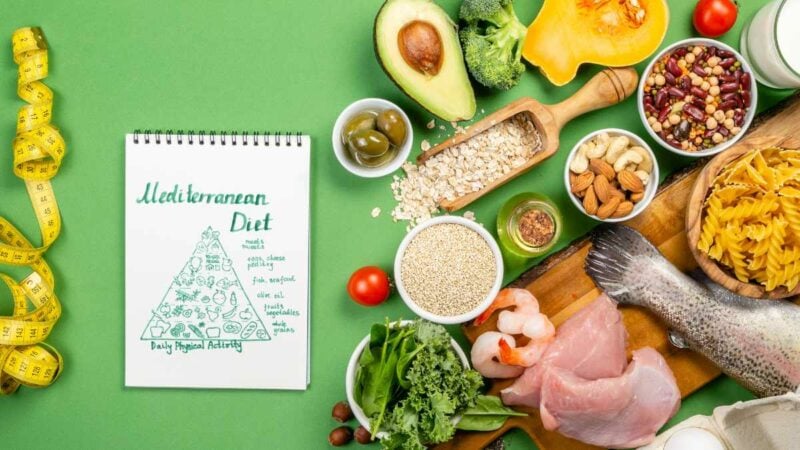
The Mediterranean diet is inspired by the traditional eating habits of countries bordering the Mediterranean Sea, such as Greece, Italy, and Spain. It emphasizes a variety of foods, including fruits, vegetables, whole grains, legumes, nuts, and healthy fats, particularly olive oil. This diet is not merely a set of rules but a lifestyle that encourages mindful eating, social connections, and physical activity.
At its core, the Mediterranean diet promotes seasonal and local foods, which means that the types of snacks one might enjoy can vary based on geographic location and time of year. The diet is characterized by a high intake of plant-based foods and a moderate consumption of fish and poultry, while red meat and sweets are limited. This approach not only supports health but also fosters a connection to the environment and local culture.
Moreover, the Mediterranean diet is known for its flexibility, allowing individuals to adapt their eating patterns based on personal preferences and nutritional needs. This adaptability extends to snacking, as it encourages the inclusion of wholesome, nutrient-dense foods rather than processed snacks high in sugar and unhealthy fats.
In summary, the Mediterranean diet is a holistic approach to eating that values quality over quantity, making it essential to consider how snacks can fit into this framework. By understanding the foundational elements of the Mediterranean diet, one can make informed choices about snacking that align with its principles.
Nutritional Principles of the Mediterranean Diet
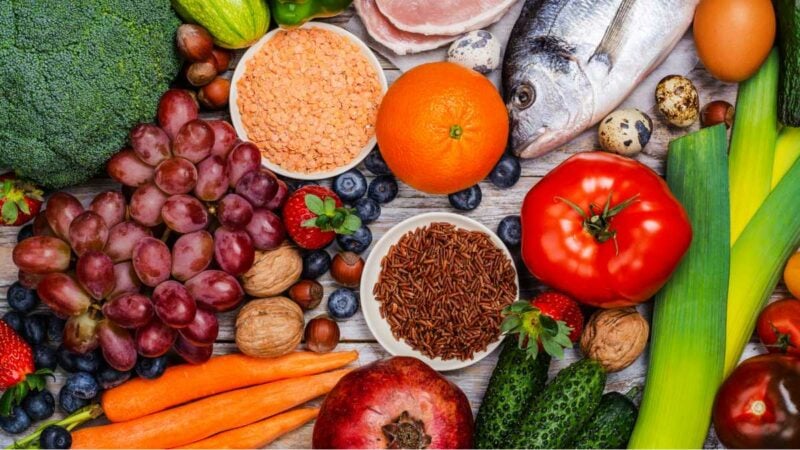
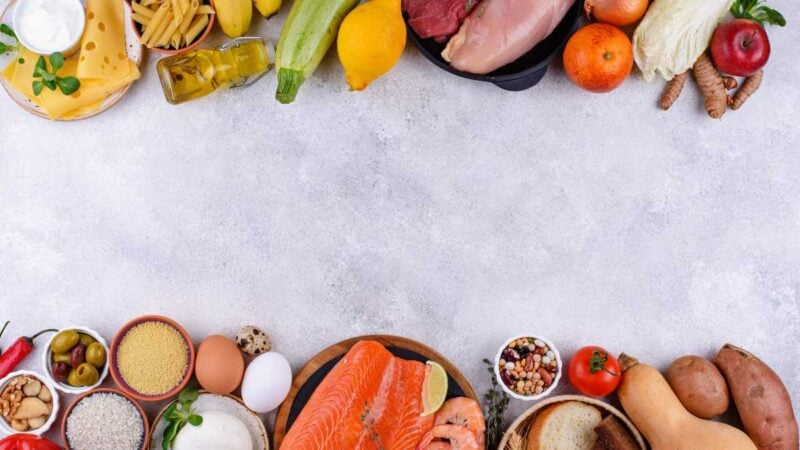
The Mediterranean diet is built on several key nutritional principles that guide food choices and meal planning. Whole, unprocessed foods are at the forefront, emphasizing the importance of consuming foods in their natural state. This includes fresh fruits and vegetables, whole grains, legumes, nuts, and seeds, which provide essential vitamins, minerals, and fiber.
Healthy fats, particularly from olive oil, are a cornerstone of this diet. Unlike saturated fats found in many processed snacks, the monounsaturated fats in olive oil have been linked to numerous health benefits, including improved heart health and reduced inflammation. Additionally, the inclusion of fatty fish, such as salmon and sardines, provides omega-3 fatty acids, which are crucial for brain health.
Another important principle is the moderation of animal products. While the Mediterranean diet does include dairy, fish, and poultry, red meat is consumed sparingly. This principle encourages individuals to choose lean protein sources and to incorporate plant-based proteins, such as beans and lentils, into their meals and snacks.
Finally, the Mediterranean diet encourages mindful eating practices, which promote a healthy relationship with food. This includes savoring meals, enjoying food with family and friends, and being attentive to hunger and fullness cues. These principles not only enhance the enjoyment of food but also support overall well-being.
Common Snack Options within the Mediterranean Framework
When considering snacks within the Mediterranean framework, there are numerous delicious and nutritious options. Fresh fruits, such as apples, oranges, and berries, are naturally sweet and packed with vitamins and antioxidants. They make for convenient, portable snacks that can be enjoyed on the go.
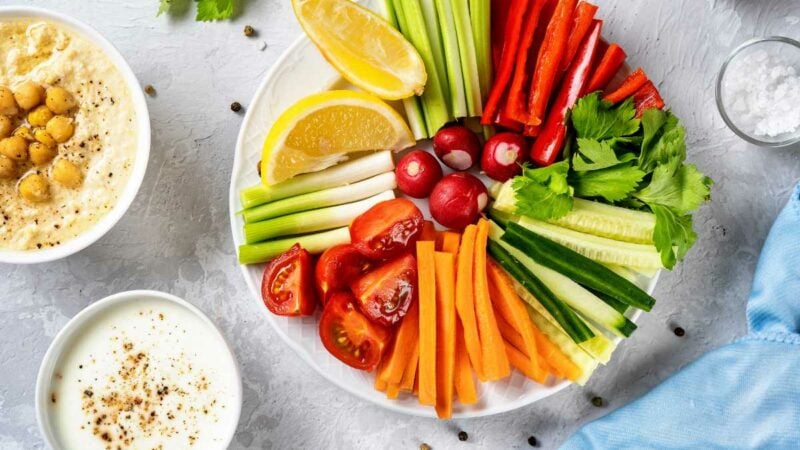
Vegetables, particularly when paired with healthy dips, also serve as excellent snack choices. Carrot sticks, cucumber slices, and bell pepper strips can be enjoyed with hummus or tzatziki, providing a satisfying crunch along with beneficial nutrients. These vegetable-based snacks align perfectly with the Mediterranean emphasis on plant foods.
Nuts and seeds are another popular snack option, offering a rich source of healthy fats, protein, and fiber. A small handful of almonds, walnuts, or sunflower seeds can provide a satisfying and energy-boosting snack. However, it is essential to keep portion sizes in mind, as nuts are calorie-dense.
Finally, whole grain options, such as whole grain crackers or bread, can be paired with cheese or spreads for a more substantial snack. These options not only adhere to the Mediterranean diet’s principles but also provide a satisfying balance of carbohydrates, protein, and healthy fats.
Health Benefits of Snacking on Mediterranean Foods
Incorporating snacks that align with the Mediterranean diet can offer numerous health benefits. First and foremost, these snacks are typically rich in nutrients, which can help bridge the gap between meals and prevent excessive hunger. This can lead to better portion control during main meals, ultimately supporting weight management.
Moreover, the consumption of fruits and vegetables as snacks is associated with a lower risk of chronic diseases. These foods are high in antioxidants, vitamins, and minerals, which can help combat oxidative stress and inflammation in the body. Regular snacking on these nutrient-dense foods can contribute to overall health and longevity.
Healthy fats from sources like olive oil and nuts can also play a significant role in heart health. Snacking on these foods can help maintain healthy cholesterol levels and support cardiovascular function. The Mediterranean diet has been linked to a reduced risk of heart disease, making it a heart-healthy option for snackers.
Lastly, the mindful eating practices encouraged by the Mediterranean diet can enhance the overall eating experience. By choosing wholesome snacks and savoring them, individuals may find greater satisfaction and enjoyment in their food, leading to improved emotional well-being and a healthier relationship with eating.
Portion Control: Balancing Snacks in the Diet
While snacking can be a healthy addition to the Mediterranean diet, portion control is crucial to ensure that snacks complement rather than detract from overall nutrition. Mindful portion sizes help prevent overeating and maintain a balanced intake of calories throughout the day.
A good rule of thumb is to keep snacks to around 100-200 calories, depending on individual energy needs and activity levels. This allows for a satisfying snack without significantly impacting hunger levels for subsequent meals. For instance, a small handful of nuts or a piece of fruit can provide a nutritious boost without excessive calories.
Additionally, it is essential to be mindful of the types of snacks consumed. Opting for whole, minimally processed foods aligns with the Mediterranean diet’s principles and supports better health outcomes. Avoiding highly processed snacks that are high in sugar, salt, and unhealthy fats is key to maintaining a balanced diet.
Finally, establishing a routine around snacking can help with portion control. Designating specific times for snacks and preparing them in advance can reduce the likelihood of mindless snacking. This practice encourages individuals to be more intentional about their food choices and promotes a healthier relationship with eating.
Practical Tips for Incorporating Snacks Effectively
Incorporating snacks into a Mediterranean diet can be both enjoyable and beneficial with some practical strategies. First, planning ahead is essential. Preparing snacks in advance can help ensure that healthy options are readily available, reducing the temptation to reach for less nutritious choices. This could involve pre-cutting vegetables or portioning out nuts into small containers.
Another effective strategy is to pair snacks for a balanced approach. Combining a source of protein with healthy fats and fiber can create a satisfying snack that keeps hunger at bay. For example, pairing Greek yogurt with fresh fruit and a sprinkle of nuts can provide a well-rounded option that aligns with Mediterranean principles.
Incorporating seasonal and local ingredients can also enhance the snacking experience. Visiting local farmers’ markets or grocery stores can provide inspiration for fresh, seasonal snacks that are both delicious and nutritious. This not only supports the Mediterranean diet’s emphasis on local foods but also encourages variety in the diet.
Lastly, making snacking a social activity can enhance the overall experience. Sharing snacks with family and friends can foster connections and create a more enjoyable atmosphere around food. This aligns with the Mediterranean lifestyle, which values communal eating and social interaction.
Conclusions:
In summary, the Mediterranean diet does indeed allow for snacks, provided they align with its core principles of whole, minimally processed foods. By focusing on nutrient-dense options such as fruits, vegetables, nuts, and whole grains, individuals can enjoy satisfying snacks that contribute to overall health and well-being. Mindful portion control and practical strategies for incorporating snacks can further enhance the Mediterranean lifestyle, making it easier to maintain a balanced and enjoyable approach to eating.
Read more
- Mediterranean Diet Basics – An in-depth overview of the Mediterranean diet, including its principles and health benefits.
- Mediterranean Diet and Health – A comprehensive study on the health impacts of the Mediterranean diet, highlighting its benefits for chronic disease prevention.
- Healthy Snacking Tips – Practical advice for incorporating healthy snacks into your diet while maintaining balance and moderation.
- Mediterranean Diet Recipes – A collection of delicious recipes that adhere to the Mediterranean diet, including snack ideas.
- The Role of Snacks in a Healthy Diet – Guidelines on how to choose healthy snacks and their role in a balanced diet.