


Introduction to Mayo and Mediterranean Diet
Introduction: The Mediterranean diet has long been lauded for its numerous health benefits, including reduced risk of heart disease, improved cognitive function, and better weight management. As a dietary pattern inspired by the traditional eating habits of countries bordering the Mediterranean Sea, it emphasizes whole foods, healthy fats, and lean proteins. On the other hand, mayonnaise, a creamy condiment made primarily from egg yolks, oil, and vinegar or lemon juice, is a staple in many Western diets. This article explores the compatibility of mayonnaise with the Mediterranean diet, considering both nutritional profiles and health implications.
Mayonnaise, often abbreviated as "mayo," is a versatile condiment used in a variety of dishes, from sandwiches to salads. Its rich, creamy texture and tangy flavor make it a popular choice for enhancing the taste and mouthfeel of foods. However, its high-fat content and calorie density have raised questions about its place in health-conscious diets.
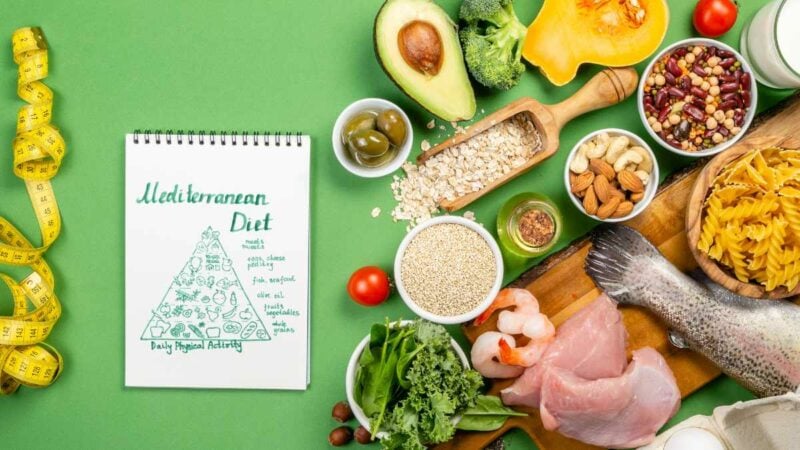
The Mediterranean diet, characterized by high consumption of fruits, vegetables, whole grains, legumes, nuts, and olive oil, along with moderate intake of fish and poultry, and limited consumption of red meat and sweets, is recognized for its heart-healthy properties. It also includes moderate wine consumption, typically with meals. This dietary pattern is not just about specific foods but also about the overall lifestyle, including physical activity and social eating.
Understanding the nutritional profile of mayonnaise is crucial for determining its compatibility with the Mediterranean diet. While mayo is rich in fats, the type of fat and other nutritional components play a significant role in its health implications. This analysis will delve into the specific ingredients and their nutritional contributions.
The principles and guidelines of the Mediterranean diet provide a framework for evaluating whether mayonnaise can be incorporated without compromising the diet’s health benefits. These principles emphasize the quality of fats, the importance of whole foods, and the balance of macronutrients.
Finally, expert opinions and recommendations will be considered to provide a well-rounded perspective on the inclusion of mayonnaise in a Mediterranean diet. By examining the views of nutritionists, dietitians, and other health professionals, we can gain insights into best practices for integrating mayo into a healthy eating plan.
Nutritional Profile of Mayonnaise
Mayonnaise is primarily composed of oil, egg yolks, and an acidic component such as vinegar or lemon juice. The oil used in mayonnaise is typically a vegetable oil, such as soybean oil, which is high in polyunsaturated fats. The egg yolks contribute to the creamy texture and provide lecithin, a natural emulsifier that helps to stabilize the mixture.
A standard serving size of mayonnaise is about one tablespoon, which contains approximately 90 calories, 10 grams of fat, and negligible amounts of protein and carbohydrates. The fat content is predominantly unsaturated, with about 6 grams of polyunsaturated fats, 2.5 grams of monounsaturated fats, and 1.5 grams of saturated fats per serving. This composition can vary depending on the specific brand and formulation of the mayonnaise.
Mayonnaise also contains small amounts of vitamins and minerals, including vitamin E, vitamin K, and choline. Vitamin E is an antioxidant that helps protect cells from damage, while vitamin K is important for blood clotting and bone health. Choline is essential for brain health and the formation of cell membranes.
However, traditional mayonnaise is also high in omega-6 fatty acids, which can be pro-inflammatory when consumed in excess relative to omega-3 fatty acids. The typical Western diet already tends to be high in omega-6 fatty acids, so adding more through mayonnaise consumption could potentially exacerbate this imbalance.
There are also variations of mayonnaise available, such as low-fat or light mayonnaise, which contain fewer calories and fat. These products often replace some of the oil with water, modified food starch, or other thickeners to maintain the desired texture. However, they may also contain added sugars or artificial ingredients to enhance flavor.
Understanding the nutritional profile of mayonnaise, including its fat content and micronutrient contributions, is essential for assessing its place in the Mediterranean diet. While it provides some beneficial nutrients, its high calorie and fat content must be considered in the context of overall dietary intake.
Mediterranean Diet Principles and Guidelines
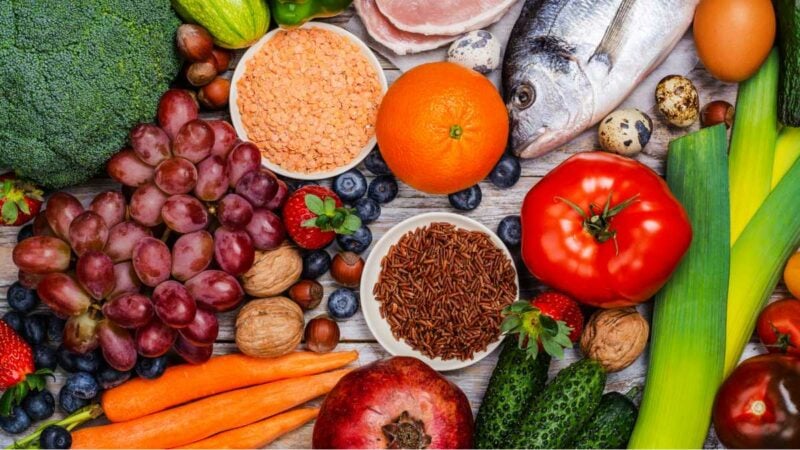
The Mediterranean diet is built on several core principles that emphasize the consumption of whole, minimally processed foods. One of the key components is the high intake of fruits and vegetables, which provide essential vitamins, minerals, and antioxidants. These plant-based foods are the foundation of the diet and are consumed in abundance.
Whole grains, such as whole wheat, barley, and oats, are another staple of the Mediterranean diet. These grains are preferred over refined grains because they retain more nutrients and fiber, which are important for digestive health and maintaining stable blood sugar levels. Legumes, including beans, lentils, and chickpeas, are also a significant source of plant-based protein and fiber.
Healthy fats are a cornerstone of the Mediterranean diet, with olive oil being the primary source. Olive oil is rich in monounsaturated fats, which have been shown to reduce the risk of heart disease. Nuts and seeds also contribute healthy fats and provide additional nutrients like vitamin E and magnesium.
The diet includes moderate amounts of fish and seafood, which are excellent sources of omega-3 fatty acids. These fatty acids are known for their anti-inflammatory properties and cardiovascular benefits. Poultry, eggs, and dairy products are consumed in moderation, while red meat and sweets are limited to occasional intake.
Another important aspect of the Mediterranean diet is the emphasis on social eating and physical activity. Meals are often enjoyed with family and friends, which can enhance the overall eating experience and promote a sense of well-being. Regular physical activity, such as walking, is also encouraged as part of a healthy lifestyle.
Wine, particularly red wine, is consumed in moderation, usually with meals. This practice is thought to contribute to the diet’s cardiovascular benefits. However, it is important to note that excessive alcohol consumption can have negative health effects, so moderation is key.
By adhering to these principles and guidelines, the Mediterranean diet promotes a balanced and nutrient-rich eating pattern that supports overall health and well-being. The focus on whole foods, healthy fats, and a balanced intake of macronutrients aligns with current dietary recommendations for preventing chronic diseases.
Compatibility of Mayo with Mediterranean Diet
To determine the compatibility of mayonnaise with the Mediterranean diet, it is essential to consider both the nutritional profile of mayo and the dietary principles of the Mediterranean eating pattern. While mayonnaise is high in fat, the type of fat and the overall dietary context are crucial factors.
Traditional mayonnaise is made with vegetable oils, which are high in polyunsaturated fats. While these fats are healthier than saturated fats, the Mediterranean diet emphasizes monounsaturated fats, primarily from olive oil. Therefore, substituting traditional mayonnaise with a version made from olive oil could better align with the diet’s principles.
The Mediterranean diet also prioritizes whole, minimally processed foods. Mayonnaise, especially commercial varieties, can contain additives, preservatives, and artificial ingredients that do not fit well with this principle. Making homemade mayonnaise using simple, natural ingredients can be a better option for those following the Mediterranean diet.
Portion control is another important consideration. While mayonnaise can be included in small amounts, it should not be a significant source of calories or fats in the diet. Using mayonnaise sparingly as a condiment rather than a primary ingredient can help maintain the balance of macronutrients recommended by the Mediterranean diet.
Pairing mayonnaise with other Mediterranean-friendly foods can also enhance its compatibility. For example, using a small amount of olive oil-based mayonnaise in a salad made with fresh vegetables, legumes, and lean proteins can create a balanced and nutritious meal that adheres to Mediterranean principles.
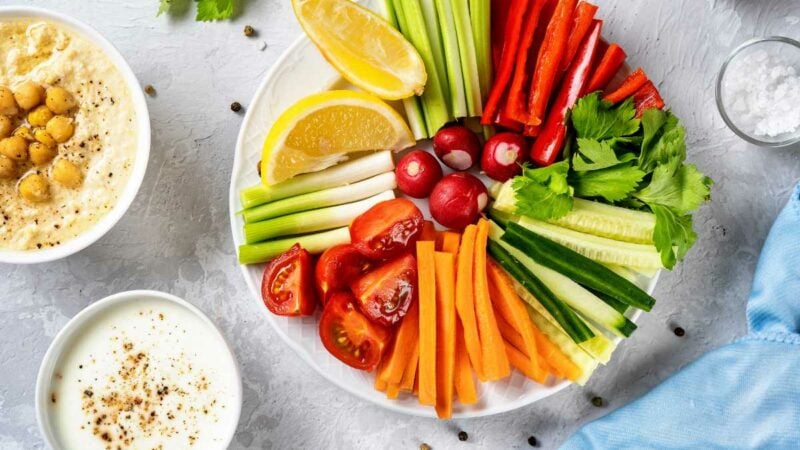
It is also worth exploring alternative condiments that align more closely with the Mediterranean diet. For instance, yogurt-based dressings or spreads made with tahini, lemon juice, and herbs can provide similar creaminess and flavor without the high-fat content of mayonnaise.
In summary, while traditional mayonnaise may not be a perfect fit for the Mediterranean diet, making mindful choices about the type of mayonnaise, portion sizes, and pairing it with other nutrient-dense foods can allow for its occasional inclusion without compromising the diet’s health benefits.
Health Implications of Including Mayo
Including mayonnaise in the Mediterranean diet can have both positive and negative health implications, depending on the type and amount consumed. Understanding these implications is crucial for making informed dietary choices.
One of the primary concerns with mayonnaise is its high calorie and fat content. Consuming large amounts of mayonnaise can contribute to excessive calorie intake, leading to weight gain and associated health issues such as obesity, type 2 diabetes, and cardiovascular disease. Therefore, portion control is essential when incorporating mayonnaise into the diet.
However, mayonnaise made with healthy oils, such as olive oil, can provide beneficial fats that support heart health. Monounsaturated fats, which are abundant in olive oil, have been shown to reduce LDL cholesterol levels and lower the risk of heart disease. Choosing olive oil-based mayonnaise can align with the Mediterranean diet’s emphasis on healthy fats.
Mayonnaise also contains small amounts of essential nutrients, such as vitamin E and choline. Vitamin E is an antioxidant that helps protect cells from damage, while choline is important for brain health and the formation of cell membranes. Including mayonnaise in moderation can contribute to the intake of these nutrients.
On the other hand, commercial mayonnaise often contains additives, preservatives, and artificial ingredients that may not be beneficial for health. These additives can include high-fructose corn syrup, artificial flavors, and stabilizers, which can contribute to inflammation and other health issues. Opting for homemade or natural mayonnaise can help avoid these unwanted ingredients.
Another consideration is the balance of omega-6 to omega-3 fatty acids. Traditional mayonnaise made with vegetable oils is high in omega-6 fatty acids, which can be pro-inflammatory when consumed in excess. The Mediterranean diet emphasizes a balance of these fatty acids, with a higher intake of omega-3s from sources like fish and flaxseeds. Choosing mayonnaise made with healthier oils and consuming it in moderation can help maintain this balance.
In conclusion, while mayonnaise can be included in the Mediterranean diet, it is important to choose healthier versions, control portions, and be mindful of the overall dietary context to avoid negative health implications and support overall well-being.
Expert Opinions and Recommendations
Experts in nutrition and dietetics offer valuable insights into the inclusion of mayonnaise in the Mediterranean diet. Their recommendations can help individuals make informed decisions about how to incorporate this condiment into a healthy eating plan.
Nutritionists generally agree that the type of fat in mayonnaise is a critical factor. Dr. Mary Flynn, a nutrition researcher specializing in the Mediterranean diet, suggests that mayonnaise made with olive oil can be a better choice due to its monounsaturated fat content. She emphasizes the importance of reading labels and choosing products with minimal additives and preservatives.
Dietitian Elena Paravantes, a recognized expert in the Mediterranean diet, recommends using mayonnaise sparingly and opting for homemade versions whenever possible. She points out that making mayonnaise at home allows for better control over the ingredients, ensuring that only high-quality oils and natural components are used.
Dr. Walter Willett, a professor of epidemiology and nutrition at Harvard T.H. Chan School of Public Health, highlights the importance of overall dietary patterns. He notes that while mayonnaise can be included in the Mediterranean diet, it should not replace healthier fat sources like olive oil, nuts, and avocados. Instead, it can be used occasionally as part of a balanced diet.
Registered dietitian Samantha Cassetty advises individuals to be mindful of portion sizes when consuming mayonnaise. She suggests using it as a condiment rather than a primary ingredient in dishes. This approach helps to limit calorie and fat intake while still enjoying the flavor and texture that mayonnaise provides.
Dr. David Katz, a preventive medicine specialist and founder of the True Health Initiative, underscores the significance of whole, minimally processed foods in the Mediterranean diet. He recommends exploring alternative condiments that align more closely with this dietary pattern, such as yogurt-based dressings or tahini spreads, which can provide similar creaminess with added nutritional benefits.
In summary, experts agree that while mayonnaise can be included in the Mediterranean diet, it is important to choose healthier versions, control portions, and prioritize whole, minimally processed foods. By following these recommendations, individuals can enjoy mayonnaise without compromising the health benefits of the Mediterranean diet.
Conclusion: Assessing the compatibility of mayonnaise with the Mediterranean diet involves considering both its nutritional profile and the dietary principles of this heart-healthy eating pattern. While traditional mayonnaise may not perfectly align with the Mediterranean diet due to its high fat content and potential additives, choosing olive oil-based versions, controlling portions, and pairing it with nutrient-dense foods can allow for its occasional inclusion. Expert opinions and recommendations emphasize the importance of mindful choices and overall dietary context to maintain the health benefits of the Mediterranean diet.
Read More…
-
Harvard T.H. Chan School of Public Health – The Nutrition Source: Mediterranean Diet
This resource provides an in-depth overview of the Mediterranean diet, including its health benefits, key components, and dietary guidelines. -
Mayo Clinic – Mediterranean Diet: A Heart-Healthy Eating Plan
The Mayo Clinic offers a comprehensive guide to the Mediterranean diet, highlighting its principles, benefits, and practical tips for implementation. -
American Heart Association – Monounsaturated Fats
This article explains the importance of monounsaturated fats, which are a key component of the Mediterranean diet, and provides information on healthy fat sources. -
Oldways – Mediterranean Diet Pyramid
Oldways presents the Mediterranean Diet Pyramid, a visual guide to the recommended food groups and portions for following the Mediterranean diet. -
National Institutes of Health – Omega-3 Fatty Acids
This fact sheet from the NIH provides detailed information on omega-3 fatty acids, their health benefits, and dietary sources, relevant to understanding the balance of fats in the Mediterranean diet.