

Introduction:
The ketogenic diet, commonly referred to as the keto diet, has gained immense popularity in recent years for its potential to facilitate weight loss and improve metabolic health. This high-fat, low-carbohydrate dietary approach encourages the body to enter a state of ketosis, where it burns fat for fuel instead of carbohydrates. However, the inclusion of certain foods, particularly starchy ones like potatoes, raises questions among those adhering to this dietary regimen. This article explores the compatibility of potatoes within a keto framework, examining their nutritional profile, impact on blood sugar levels, and potential role in a balanced keto plan.
Understanding the Keto Diet: Principles and Macronutrients
The keto diet is fundamentally structured around a significant reduction in carbohydrate intake, typically to about 5-10% of total daily calories. This drastic decrease in carbs prompts the body to shift its primary energy source from glucose derived from carbohydrates to ketones produced from fat. The macronutrient distribution in a standard keto diet generally comprises approximately 70-80% fats, 15-25% proteins, and only 5-10% carbohydrates.
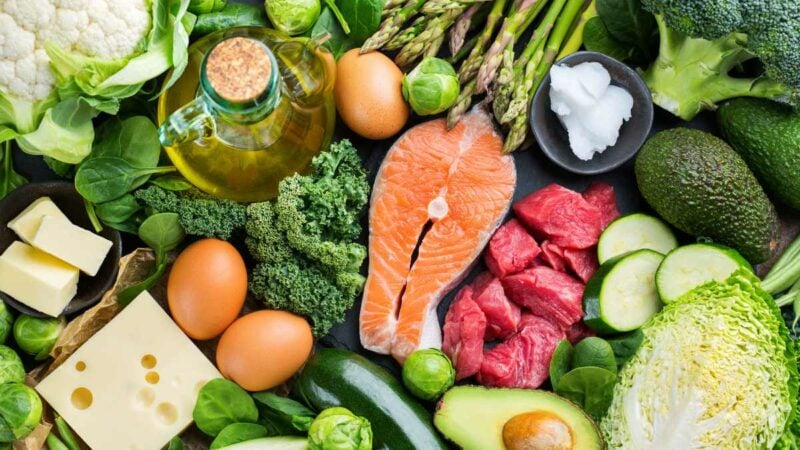
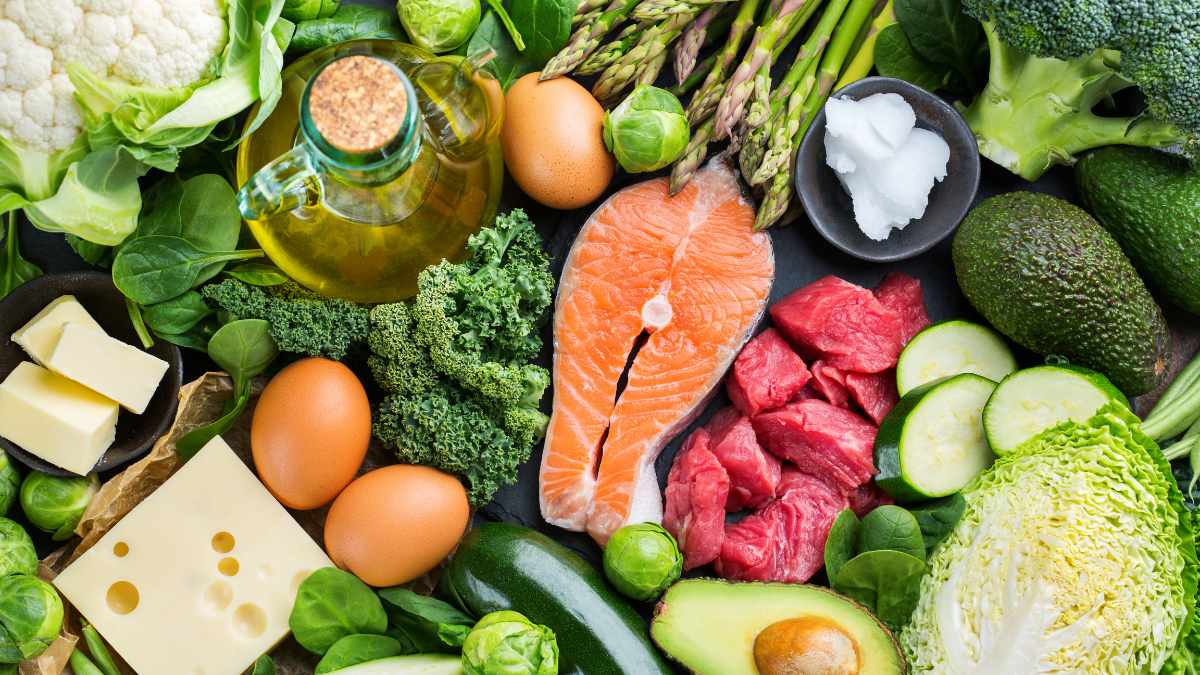
This unique macronutrient balance is crucial for achieving and maintaining ketosis. The diet emphasizes high-quality fats, such as those from avocados, nuts, seeds, and oils, while minimizing sugars and starchy foods. Proteins are included in moderate amounts, focusing on sources that are low in carbohydrates. Understanding these principles is essential for anyone considering the keto diet, as it sets the stage for evaluating the role of various foods, including potatoes.
In the context of the keto diet, the primary goal is to minimize insulin spikes and maintain stable blood sugar levels. This is achieved by limiting carbohydrate intake, which is why foods that are high in starch and sugars are often discouraged. As potatoes are a staple carbohydrate source in many diets, their compatibility with keto principles requires careful consideration.
Ultimately, the success of the keto diet hinges on individual responses to carbohydrate intake, making it imperative for practitioners to evaluate their unique metabolic reactions to various foods, including potatoes.
Nutritional Profile of Potatoes: Carbs, Fiber, and More
Potatoes are primarily composed of carbohydrates, with a medium-sized potato containing approximately 37 grams of carbs. This high carbohydrate content is one of the primary reasons why potatoes are generally excluded from keto meal plans. Additionally, potatoes contain about 2-3 grams of fiber, which is beneficial for digestive health but does not significantly offset their overall carb count.
Beyond carbohydrates, potatoes are rich in several vitamins and minerals, including vitamin C, potassium, and vitamin B6. These nutrients contribute to overall health, supporting immune function, muscle contraction, and energy metabolism. However, the high glycemic index of potatoes means they can cause rapid spikes in blood sugar levels, which is counterproductive to the goals of a ketogenic diet.
The fiber content in potatoes, while beneficial, is not sufficient to mitigate the impact of their carbohydrate load on blood sugar levels. This is a crucial consideration for individuals aiming to maintain ketosis. The body’s response to the carbohydrates in potatoes can lead to increased insulin production, which may hinder the fat-burning process that the keto diet seeks to promote.
In summary, while potatoes offer some nutritional benefits, their high carbohydrate content and potential to disrupt ketosis make them a less-than-ideal choice for those strictly following a ketogenic diet.
The Impact of Potatoes on Ketosis and Blood Sugar Levels
When considering the impact of potatoes on ketosis, it is essential to understand how they influence blood sugar levels. The consumption of potatoes can lead to a rapid increase in blood glucose, triggering insulin release. This hormonal response can effectively halt ketosis, as the body shifts back to utilizing glucose for energy rather than fat.
Research indicates that foods with a high glycemic index, such as potatoes, can lead to significant fluctuations in blood sugar levels. For individuals on a keto diet, maintaining stable blood sugar is critical for preventing cravings and ensuring sustained energy levels. The rapid rise and fall of blood sugar associated with potato consumption can lead to increased hunger and potential overconsumption of calories, further complicating weight loss efforts.
Moreover, the impact of potatoes on ketosis can vary based on preparation methods. For instance, boiled potatoes may have a different glycemic response compared to fried or baked versions. However, regardless of preparation, the inherent carbohydrate content remains high, making it challenging to incorporate potatoes into a strict keto regimen without exceeding daily carb limits.
In conclusion, the consumption of potatoes poses a significant risk to maintaining ketosis and stable blood sugar levels, making them a food to approach with caution for those adhering to a ketogenic lifestyle.
Comparing Potatoes with Keto-Friendly Alternatives
Given the challenges posed by potatoes in a keto diet, many individuals seek alternatives that provide similar textures or flavors without the high carbohydrate content. Several vegetables can serve as effective substitutes, including cauliflower, zucchini, and turnips. These options are not only lower in carbs but also offer a range of vitamins and minerals that can contribute to overall health.
Cauliflower, for instance, has gained popularity as a versatile substitute for potatoes. It can be mashed, riced, or used in casseroles, providing a similar texture with significantly fewer carbohydrates. A cup of cauliflower contains approximately 5 grams of carbs, making it a far more suitable option for those on a keto diet.
Zucchini also presents a low-carb alternative, particularly when spiralized into noodles or used in baking. With only about 4 grams of carbs per cup, zucchini can be incorporated into various dishes while keeping carbohydrate intake in check. Additionally, turnips can be roasted or mashed, offering a slightly sweet flavor with fewer carbs than potatoes.
In summary, while potatoes are a beloved staple in many diets, numerous keto-friendly alternatives can provide similar culinary experiences without the drawbacks associated with high carbohydrate content. These substitutes can help individuals maintain ketosis while still enjoying a variety of flavors and textures in their meals.
Moderation and Portion Control: Potatoes in a Keto Plan
For those who are not strictly adhering to a ketogenic diet but still want to enjoy potatoes, moderation and portion control are key. It is possible to incorporate small amounts of potatoes into a more flexible low-carb diet without completely derailing progress. The emphasis should be on portion sizes, ensuring that the overall carbohydrate intake remains within acceptable limits.
One approach is to use potatoes as a garnish or side dish rather than the main component of a meal. For instance, a small serving of roasted potatoes can complement a larger portion of protein and non-starchy vegetables, allowing for a more balanced meal while keeping carbohydrate intake in check. This strategy can satisfy cravings for potatoes without significantly impacting ketosis.
Another consideration is the timing of potato consumption. Consuming potatoes after a workout may be beneficial for replenishing glycogen stores, especially for those engaging in high-intensity exercise. In such cases, the body may be more adept at utilizing carbohydrates for recovery, making it a more favorable time to include small amounts of potatoes.
Ultimately, the key to incorporating potatoes into a keto plan lies in understanding individual carbohydrate tolerance and making informed choices. By practicing moderation and portion control, it is possible to enjoy the taste of potatoes while still adhering to the principles of a low-carb lifestyle.
Conclusion: Potatoes and Their Role in a Keto Lifestyle
In conclusion, while potatoes are a nutritious food with several health benefits, they pose significant challenges for individuals following a strict ketogenic diet. Their high carbohydrate content and potential to disrupt ketosis make them generally unsuitable for this dietary approach. However, for those who adopt a more flexible low-carb diet, moderation and portion control can allow for occasional enjoyment of potatoes without undermining overall goals.
As with any dietary choice, individual responses to foods can vary. It is crucial for individuals to monitor their own reactions to carbohydrate intake and adjust their diets accordingly. For those who wish to maintain ketosis, exploring keto-friendly alternatives to potatoes can provide satisfying options without compromising dietary principles.
Ultimately, understanding the nutritional profile of foods and their impact on blood sugar levels is essential for anyone navigating the complexities of a ketogenic lifestyle. By making informed choices, individuals can enjoy a diverse and satisfying diet while working towards their health and wellness goals.
Read more:
- Keto Diet Basics – A comprehensive overview of the ketogenic diet, its principles, and how it works.
- Nutritional Profile of Potatoes – Detailed nutritional information about potatoes from the USDA FoodData Central.
- The Glycemic Index and Its Impact – An explanation of the glycemic index and its relevance to blood sugar management.
- Cauliflower as a Keto Substitute – Insights into how cauliflower can be used as a low-carb alternative to potatoes.
- Portion Control Strategies – Tips and strategies for practicing portion control in various dietary contexts.