

Introduction:
The ketogenic diet has gained immense popularity in recent years, primarily due to its potential for weight loss and health benefits. This high-fat, low-carbohydrate lifestyle encourages the body to enter a state of ketosis, where it burns fat for fuel instead of carbohydrates. However, many people wonder about the compatibility of their favorite snacks, particularly chips, with this dietary approach. This article delves into the relationship between chips and the ketogenic diet, exploring the principles of keto, the role of carbohydrates, and how to navigate snack choices without compromising dietary goals.
Understanding the Keto Diet: Key Principles Explained
The ketogenic diet is fundamentally centered around drastically reducing carbohydrate intake while increasing fat consumption. This macronutrient shift forces the body to rely on fat as its primary energy source. The typical macronutrient breakdown for a ketogenic diet is approximately 70-75% fat, 20-25% protein, and only about 5-10% carbohydrates. This significant reduction in carbs is essential for achieving and maintaining ketosis, a metabolic state where the liver produces ketones from fat, which serve as an alternative energy source.
One of the key principles of the keto diet is the concept of net carbohydrates, which refers to the total carbohydrates in a food minus its fiber content. Since fiber is not digested and does not impact blood sugar levels, it is often excluded from the carb count. This distinction is crucial for individuals on a ketogenic diet, as it allows for a greater variety of food choices while still adhering to low-carb guidelines.
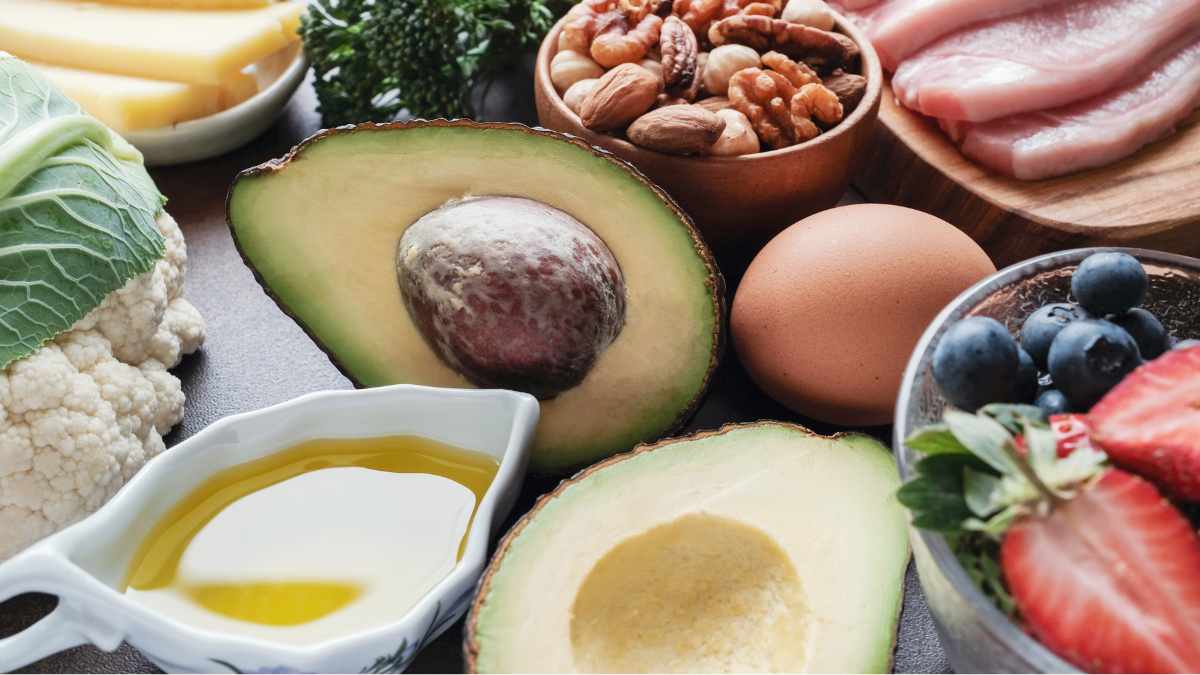
Moreover, the keto diet emphasizes whole, unprocessed foods, such as avocados, nuts, seeds, and leafy greens. These foods not only provide healthy fats but also essential nutrients that support overall health. The focus on nutrient-dense foods is vital for maintaining energy levels and preventing nutrient deficiencies that can arise from restrictive eating patterns.
Lastly, the psychological aspect of dieting should not be overlooked. Many individuals find that allowing themselves occasional treats can help sustain their commitment to the diet. Understanding the balance between enjoyment and adherence is essential for long-term success on a ketogenic journey.
The Role of Carbohydrates in a Ketogenic Lifestyle
Carbohydrates are often termed "the enemy" in a ketogenic lifestyle, but it’s essential to understand their role in the diet. Carbs are the body’s primary source of energy, and when consumed in excess, they can lead to spikes in blood sugar and insulin levels. For those following a ketogenic diet, the goal is to minimize these spikes by limiting carb intake, thereby promoting fat oxidation and ketone production.
When carbohydrates are drastically reduced, the body undergoes a metabolic shift. Initially, it may experience symptoms of "keto flu," including fatigue, irritability, and cravings. However, as the body adapts to burning fat for fuel, many individuals report increased energy levels and improved mental clarity. This adaptation process highlights the importance of understanding how the body responds to dietary changes and the role of carbohydrates in that equation.
While the focus is on limiting carbs, not all carbohydrates are created equal. Complex carbohydrates, such as those found in whole grains, legumes, and certain vegetables, can provide fiber and essential nutrients. In contrast, simple carbohydrates, often found in processed foods, can lead to rapid spikes in blood sugar and should be avoided on a ketogenic diet. This distinction is crucial when considering snack options like chips.
In summary, carbohydrates play a significant role in the ketogenic diet, and understanding their impact is vital for making informed dietary choices. By limiting carb intake and focusing on nutrient-dense foods, individuals can successfully navigate the challenges of a low-carb lifestyle.
Analyzing the Nutritional Profile of Traditional Chips
Traditional chips, such as potato chips and corn chips, are typically high in carbohydrates and unhealthy fats. A standard serving of potato chips can contain upwards of 15-20 grams of carbohydrates, which can quickly exceed the daily carb limit for those on a ketogenic diet. Additionally, many commercial chips are fried in unhealthy oils, contributing to an unfavorable fat profile that can hinder health goals.
Beyond their carbohydrate content, traditional chips often contain additives, preservatives, and artificial flavors that can compromise their nutritional value. These ingredients not only contribute to inflammation but can also disrupt gut health, which is essential for overall well-being. Therefore, it’s crucial to scrutinize the ingredient list when considering chip consumption on a ketogenic diet.
Moreover, the high glycemic index of traditional chips can lead to cravings and overeating, making it challenging to maintain portion control. The combination of refined carbohydrates and unhealthy fats can create a cycle of cravings that may derail dietary efforts. Understanding these factors is essential for anyone looking to integrate chips into their keto lifestyle.
In conclusion, while traditional chips may be a beloved snack, their nutritional profile is largely incompatible with the principles of a ketogenic diet. Recognizing the potential pitfalls associated with these snacks is key to making healthier choices that align with dietary goals.
Keto-Friendly Alternatives: What to Look For in Chips
Fortunately, the market has seen a rise in keto-friendly chip alternatives that cater to those following a low-carb lifestyle. These alternatives are typically made from ingredients such as cheese, nuts, or vegetables, offering a delicious crunch without the excessive carbs. When searching for keto-friendly chips, it’s essential to read labels carefully and look for options that contain minimal carbohydrates and healthy fats.
One popular alternative is cheese crisps, which are made by baking or frying cheese until it becomes crunchy. These snacks are high in protein and fat while containing little to no carbohydrates, making them an excellent choice for those on a ketogenic diet. Another option is kale chips, which can be made at home by baking kale with olive oil and seasonings. These chips provide fiber and essential nutrients while keeping carb counts low.
Additionally, some brands offer nut-based chips, which are made from almonds, pecans, or other nuts. These chips often contain healthy fats and protein, making them a satisfying snack that aligns with keto principles. When selecting nut-based chips, it’s important to ensure they are free from added sugars and unhealthy oils.
Ultimately, the key to enjoying chips on a ketogenic diet lies in finding alternatives that maintain the crunchy texture and flavor without compromising nutritional goals. By being mindful of ingredient lists and macronutrient profiles, individuals can indulge in their favorite snacks while staying committed to their dietary objectives.
Portion Control: Managing Chip Consumption on Keto
Even with keto-friendly chip alternatives, portion control remains a critical factor in maintaining a successful ketogenic lifestyle. While these snacks may be lower in carbohydrates, they can still contribute to calorie intake if consumed in excess. Understanding serving sizes and practicing mindful eating can help prevent overindulgence and keep dietary goals on track.
One effective strategy for managing chip consumption is to pre-portion snacks into individual servings. This practice not only helps control calorie intake but also reduces the temptation to mindlessly snack straight from the bag. By having pre-measured portions on hand, individuals can enjoy their chips without the risk of exceeding their carb limits.
Another approach is to pair chips with other keto-friendly foods to create a more balanced snack. For instance, enjoying cheese crisps with guacamole or salsa can enhance flavor and provide additional nutrients while keeping carb counts low. This combination can also help satisfy cravings and make snacking more enjoyable.
Lastly, being aware of emotional eating triggers is essential for maintaining portion control. Many people turn to snacks during stressful or emotional moments, which can lead to overeating. Practicing mindfulness and finding alternative coping strategies can help individuals stay on track with their dietary goals while still enjoying the occasional treat.
Conclusion: Chips and Keto—Balancing Enjoyment and Health
In conclusion, while traditional chips are generally not compatible with a ketogenic diet due to their high carbohydrate content, there are numerous keto-friendly alternatives available that allow for enjoyment without compromising health. By understanding the principles of the ketogenic diet, the role of carbohydrates, and the nutritional profiles of various snack options, individuals can make informed choices that align with their dietary goals.
Portion control and mindful eating are essential components of successfully integrating chips into a ketogenic lifestyle. By being aware of serving sizes and pairing snacks with other nutrient-dense foods, individuals can indulge in their favorite treats while maintaining their commitment to health and wellness. Ultimately, the key to a sustainable ketogenic diet lies in finding a balance between enjoyment and adherence to dietary principles.
Read more
- Keto Diet Basics – A comprehensive overview of the ketogenic diet, its principles, and how it works.
- Understanding Net Carbs – An article explaining the concept of net carbs and how to calculate them for a ketogenic diet.
- Nutritional Profile of Chips – A detailed analysis of the nutritional content of various types of chips.
- Keto-Friendly Snacks – A list of keto-friendly snacks, including alternatives to traditional chips.
- Portion Control Strategies – Tips and strategies for managing portion sizes to support healthy eating habits.