

Introduction:
The ketogenic diet, characterized by high fat and low carbohydrate intake, has gained immense popularity for its potential benefits in weight loss and metabolic health. Among the various food items that fit well within this diet, bacon stands out as a favorite due to its rich flavor and high fat content. However, many people wonder about the appropriate amount of bacon to consume while adhering to a ketogenic lifestyle. This article will explore the role of bacon in a keto diet, its nutritional composition, recommended serving sizes, daily intake calculations, potential health implications, and how to balance bacon consumption within the framework of a ketogenic diet.
Understanding the Role of Bacon in a Keto Diet
Bacon plays a significant role in the ketogenic diet as a source of healthy fats. Its high-fat content aligns well with the macronutrient ratios that keto dieters strive for—typically around 70-75% fat, 20-25% protein, and 5-10% carbohydrates. Incorporating bacon into meals can help individuals meet their daily fat requirements while also providing a satisfying flavor. Furthermore, the protein content in bacon can contribute to satiety, which is essential for those looking to manage their appetite and reduce snacking between meals.
Another reason bacon is popular among keto dieters is its versatility. It can be used in various dishes, from breakfast scrambles to salads, and even as a topping for keto-friendly pizzas. This adaptability makes it easy for individuals to include bacon in their meal plans without feeling deprived of flavor. Additionally, bacon is often perceived as a comfort food, which can enhance the overall enjoyment of the diet and promote adherence to the ketogenic lifestyle.
However, it is essential to consider the quality of bacon consumed. Opting for organic, nitrate-free, and pasture-raised bacon can provide additional health benefits and reduce exposure to harmful additives. The source of the bacon can significantly impact its nutritional profile, making it crucial for individuals to choose wisely. Ultimately, while bacon can be a delightful addition to a keto diet, it should be consumed mindfully and in moderation.
Lastly, the psychological aspect of eating bacon cannot be ignored. Many people find pleasure in indulging in foods they enjoy, and bacon often evokes feelings of satisfaction and happiness. This emotional connection to food can be beneficial for maintaining a positive mindset while following a restrictive diet like keto. Understanding the role of bacon in a keto diet involves recognizing both its nutritional benefits and its impact on overall well-being.
Nutritional Composition of Bacon: A Detailed Analysis
To understand how bacon fits into a ketogenic diet, it is essential to analyze its nutritional composition. A typical slice of cooked bacon contains approximately 42 calories, 3 grams of fat, 3 grams of protein, and less than 1 gram of carbohydrates. This macronutrient profile makes bacon an excellent choice for those looking to increase their fat intake while keeping carbohydrates low. The fat in bacon is primarily saturated fat, which has been a topic of debate in nutritional science.
Saturated fats, once thought to be detrimental to heart health, are now being reevaluated in light of recent research. Some studies suggest that saturated fats may not be as harmful as previously believed, especially when consumed as part of a low-carbohydrate diet. This shift in perspective is particularly relevant for keto dieters, as they rely on fats for energy. However, moderation is key, as excessive intake of saturated fats can still pose health risks.
Moreover, bacon is a source of essential nutrients, including B vitamins, selenium, and zinc. These nutrients play vital roles in energy metabolism, immune function, and overall health. While bacon should not be the sole source of these nutrients, it can contribute to a well-rounded diet when paired with other nutrient-dense foods. The presence of these vitamins and minerals adds to the appeal of bacon as a keto-friendly food.
It is also worth noting that the method of cooking bacon can influence its nutritional profile. For instance, frying bacon in unhealthy oils can add unnecessary calories and trans fats, detracting from its health benefits. Baking or air-frying bacon are healthier cooking methods that can help retain its nutritional integrity. Understanding the nutritional composition of bacon is essential for making informed choices about its inclusion in a ketogenic diet.
Recommended Serving Sizes for Bacon on Keto
Determining the appropriate serving size of bacon for a ketogenic diet can be challenging, as individual dietary needs vary. A common recommendation is to limit bacon consumption to 1-2 slices per serving. This portion size allows individuals to enjoy the flavor and fat content of bacon without overindulging. For those who are particularly fond of bacon, it can be tempting to consume larger quantities, but moderation is crucial to maintain a balanced diet.
When planning meals, it is essential to consider the overall fat and protein content of the day’s intake. For example, if a person has already consumed a significant amount of fat from other sources, they may want to limit their bacon intake accordingly. Keeping track of macronutrient ratios can help individuals make informed decisions about portion sizes. Using food tracking apps can be beneficial for those who want to adhere closely to their dietary goals.
Additionally, the type of bacon can influence serving sizes. Thick-cut bacon may contain more fat and calories per slice compared to standard-cut bacon. Therefore, individuals should be mindful of the specific product they are using and adjust their serving sizes accordingly. Reading nutrition labels can provide valuable information to help guide portion control.
Ultimately, the key is to enjoy bacon as part of a varied and balanced diet. Incorporating a range of protein and fat sources can help prevent monotony and ensure that nutritional needs are met. By being mindful of serving sizes and overall dietary patterns, individuals can savor the taste of bacon while still achieving their ketogenic goals.
Calculating Daily Bacon Intake for Ketogenic Success
To calculate daily bacon intake while on a ketogenic diet, individuals must first establish their daily macronutrient goals. Typically, a keto diet consists of approximately 70-75% fat, 20-25% protein, and 5-10% carbohydrates. Once these goals are set, individuals can determine how much bacon can fit into their daily intake without exceeding their targets.
For example, if a person follows a 2,000-calorie diet with a macronutrient breakdown of 75% fat, they would aim for about 167 grams of fat per day. Given that one slice of bacon contains about 3 grams of fat, it would take approximately 56 slices of bacon to meet the fat requirement. However, this calculation does not account for other sources of fat in the diet, which is why it is essential to consider all food items consumed throughout the day.
To create a more balanced approach, individuals can allocate a specific number of slices of bacon per day or week. For instance, someone might choose to enjoy 2 slices of bacon for breakfast and 2 slices for dinner, totaling 4 slices. This allows for flexibility in meal planning while still enjoying bacon as a part of the diet. Tracking daily intake can help ensure that bacon consumption aligns with overall dietary goals.
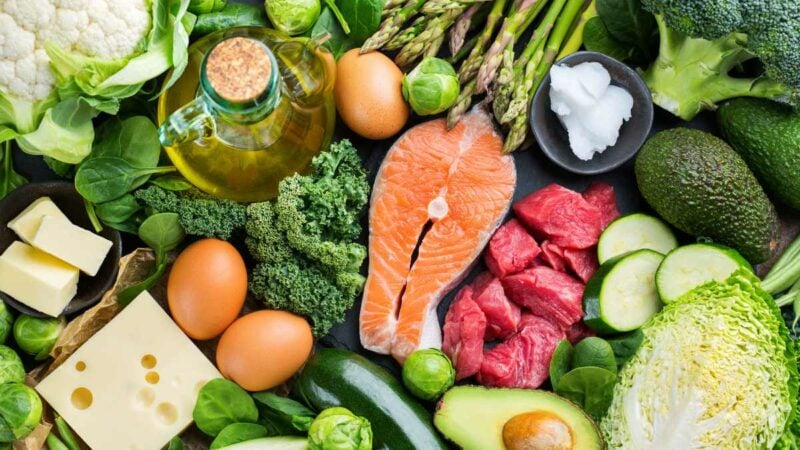
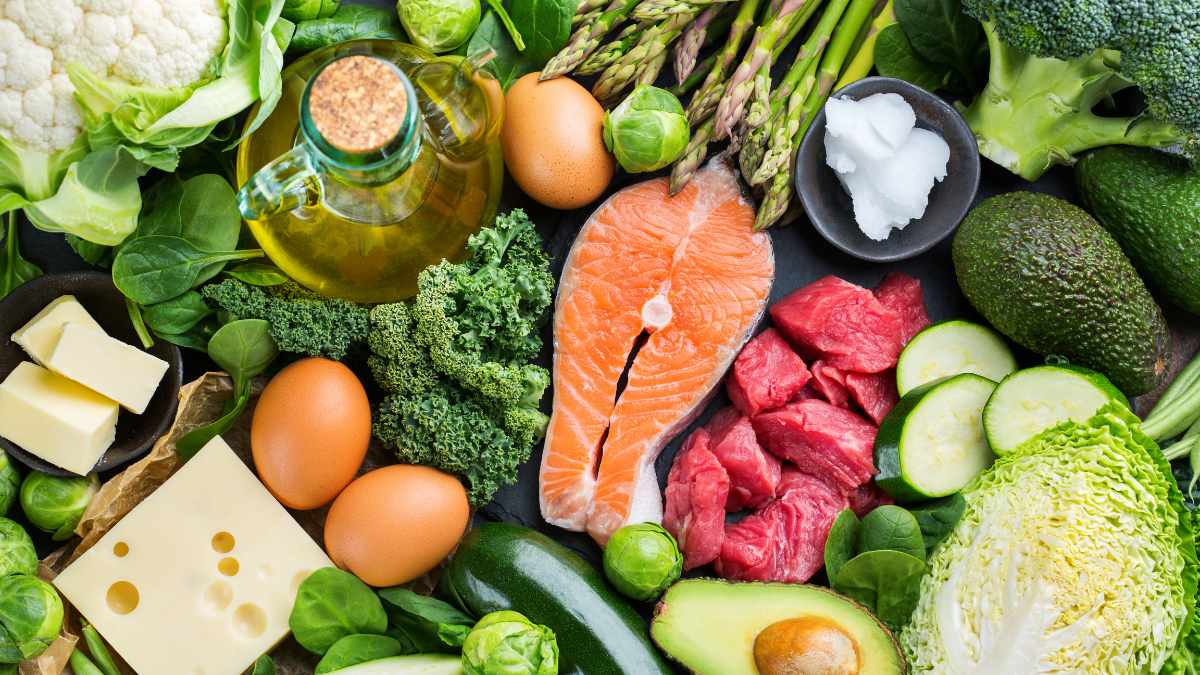
It is also important to recognize that bacon should not be the sole source of dietary fat. Incorporating other healthy fats, such as avocados, olive oil, and nuts, can provide a more diverse nutrient profile. By diversifying fat sources, individuals can ensure they are meeting their nutritional needs while still enjoying bacon in moderation.
Potential Health Implications of Excessive Bacon Consumption
While bacon can be a delicious addition to a ketogenic diet, excessive consumption may lead to potential health risks. One concern is the high sodium content found in many bacon products, which can contribute to hypertension and cardiovascular issues. Individuals who are sensitive to sodium or have pre-existing health conditions should be particularly cautious about their bacon intake.
Moreover, the consumption of processed meats, including bacon, has been linked to an increased risk of certain health conditions, such as colorectal cancer. The World Health Organization has classified processed meats as a Group 1 carcinogen, meaning there is sufficient evidence to suggest a link to cancer. This classification highlights the importance of moderation and balance in dietary choices.
Additionally, the high saturated fat content in bacon raises concerns about its impact on heart health. While recent studies have begun to challenge the traditional view of saturated fats, it is still advisable to consume them in moderation. Individuals with a family history of heart disease or other risk factors should consult with healthcare professionals to determine an appropriate level of saturated fat intake.
Lastly, the quality of bacon consumed can also affect health outcomes. Choosing high-quality, minimally processed bacon can mitigate some health risks associated with lower-quality products. Individuals should prioritize bacon that is free from nitrates, preservatives, and artificial additives. By being mindful of consumption patterns and choosing higher-quality options, individuals can enjoy bacon while minimizing potential health risks.
Conclusion: Balancing Bacon Within a Keto Framework
In conclusion, bacon can be a flavorful and satisfying component of a ketogenic diet when consumed in moderation. Understanding its nutritional composition, recommended serving sizes, and potential health implications is crucial for making informed dietary choices. By calculating daily intake and incorporating a variety of fat sources, individuals can enjoy the benefits of bacon without compromising their health or dietary goals.
It is essential to approach bacon consumption with a balanced mindset. While it can enhance meals and provide enjoyment, it should not dominate the diet. Incorporating a wide range of nutrient-dense foods will ensure that individuals meet their nutritional needs while still indulging in the rich taste of bacon. Ultimately, the key to success on a ketogenic diet lies in moderation, variety, and mindfulness.
Read more:
- Keto Diet Basics – A comprehensive overview of the ketogenic diet, including its principles and benefits.
- Nutritional Composition of Bacon – The USDA FoodData Central provides detailed nutritional information on various foods, including bacon.
- Saturated Fats and Heart Health – An article discussing the role of saturated fats in heart health and recent research findings.
- Processed Meats and Health Risks – Information from the World Health Organization regarding the health implications of processed meats.
- Healthy Fats for a Keto Diet – An exploration of various healthy fat sources that can complement a ketogenic diet.