


Introduction:
The ketogenic diet, commonly known as the keto diet, has gained significant popularity in recent years as a weight loss and health improvement strategy. By drastically reducing carbohydrate intake and replacing it with fat, the body enters a metabolic state called ketosis, where it becomes highly efficient at burning fat for energy. However, this dietary shift raises questions about the consumption of certain fruits, particularly bananas, which are often perceived as high in carbohydrates. This article will explore the compatibility of bananas with a keto lifestyle, examining their carbohydrate content, glycemic index, and potential alternatives.
Understanding the Keto Diet and Its Nutritional Principles
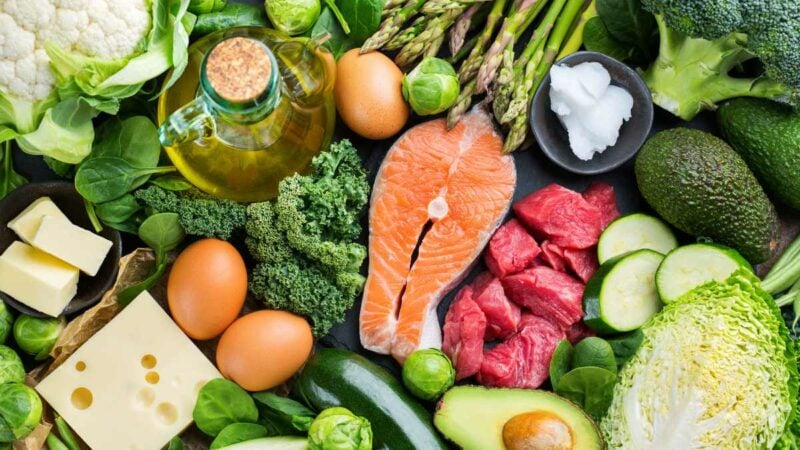
The ketogenic diet is fundamentally based on the principle of low carbohydrate intake, typically limiting carbs to about 5-10% of total daily calories. This restriction forces the body to rely on fat as its primary energy source, leading to the production of ketones. High-fat foods, such as avocados, nuts, seeds, and oils, are staples of this diet, while sugars and starches are largely avoided.
Additionally, the keto diet emphasizes the importance of protein, which should make up about 20-25% of total caloric intake. This balance is crucial for maintaining muscle mass while promoting fat loss. The diet also encourages the consumption of whole, unprocessed foods to ensure adequate nutrient intake. Understanding these principles is essential for anyone considering the inclusion of fruits like bananas in their diet.
Moreover, the keto diet is often praised for its potential health benefits beyond weight loss, including improved blood sugar control, enhanced mental clarity, and increased energy levels. However, the restrictive nature of the diet can lead to nutritional deficiencies if not carefully managed. Therefore, it’s essential to evaluate the carbohydrate content of foods, including fruits, to maintain ketosis effectively.
In this context, the question arises: Can bananas fit into a ketogenic lifestyle? To answer this, we must first analyze the carbohydrate content of bananas and their impact on blood sugar levels.
Carbohydrate Content of Bananas: A Detailed Analysis
Bananas are often considered a healthy snack due to their rich nutrient profile, including potassium, vitamin C, and dietary fiber. However, they are also known for their relatively high carbohydrate content. A medium-sized banana (approximately 118 grams) contains about 27 grams of carbohydrates, of which approximately 14 grams are sugars. This significant carbohydrate load can pose a challenge for those adhering to a strict keto diet.
To maintain ketosis, individuals typically aim to consume no more than 20-50 grams of carbohydrates per day. Given the carbohydrate content of a single banana, it becomes clear that consuming even one can take up a substantial portion of the daily allowance. This makes bananas a less-than-ideal choice for those strictly following the keto guidelines.
Furthermore, the carbohydrate content in bananas varies depending on their ripeness. As bananas ripen, their starches convert to sugars, increasing the overall carbohydrate content. Therefore, choosing unripe bananas may offer a slightly lower carbohydrate count, but they still may not fit within the daily limits for keto dieters.
In summary, while bananas offer nutritional benefits, their carbohydrate content makes them a challenging option for those on a ketogenic diet. Understanding this aspect is crucial for making informed dietary choices.
Glycemic Index of Bananas: Implications for Keto Dieters
The glycemic index (GI) is a measure of how quickly a food raises blood sugar levels after consumption. Foods with a high GI can cause rapid spikes in blood sugar, which is particularly concerning for those on a ketogenic diet aiming to maintain stable energy levels and avoid insulin spikes. Bananas have a moderate glycemic index, typically ranging from 51 to 55, depending on their ripeness.
For keto dieters, the moderate GI of bananas poses a potential risk. Consuming foods with a higher GI can disrupt ketosis by causing the body to shift back to using glucose as its primary energy source. This is why many keto followers opt for low-GI fruits, such as berries, which have a lesser impact on blood sugar levels.
Moreover, the glycemic load (GL) of a food is also an important consideration. GL takes into account both the quality and quantity of carbohydrates in a serving of food. Bananas, despite their moderate GI, have a relatively high GL due to their carbohydrate content. This means that even a small serving can significantly affect blood sugar levels.
In conclusion, the glycemic index and glycemic load of bananas suggest that they may not be the best choice for those adhering to a strict ketogenic diet. Understanding these concepts is vital for maintaining stable blood sugar levels and achieving the desired benefits of the keto lifestyle.
Comparing Bananas to Other Low-Carb Fruit Options
When considering fruit options for a ketogenic diet, it’s essential to compare bananas with other fruits that are lower in carbohydrates. Berries, such as strawberries, raspberries, and blackberries, are often recommended for keto dieters. A cup of strawberries contains only about 11 grams of carbohydrates, while a cup of raspberries has around 15 grams. These fruits not only provide essential vitamins and antioxidants but also have a lower impact on blood sugar.
Other low-carb fruit options include avocados, which are technically a fruit and are rich in healthy fats. A whole avocado contains approximately 12 grams of carbohydrates, but with 10 grams of fiber, the net carbs are only about 2 grams. This makes avocados an excellent choice for those on a keto diet, providing healthy fats and minimal carbohydrates.
Coconut is another low-carb fruit that is often overlooked. Fresh coconut meat contains about 6 grams of carbohydrates per ounce, with a significant amount of dietary fiber, making it a suitable option for keto dieters. Additionally, olives are low in carbohydrates and high in healthy fats, making them another excellent choice for those following a ketogenic lifestyle.
In summary, while bananas are nutritious, they are not the best fit for a ketogenic diet when compared to other low-carb fruit options. Exploring alternatives can help individuals maintain their nutritional goals while adhering to the principles of the keto diet.
Strategies for Incorporating Bananas in a Keto Diet
For those who still wish to enjoy bananas while following a ketogenic diet, moderation and strategic planning are key. One approach is to consider portion control; consuming a small portion of banana, such as a few slices, can allow for the enjoyment of the fruit without exceeding daily carbohydrate limits. Pairing banana slices with a source of fat, such as almond butter or coconut cream, can also help slow down the absorption of sugars and mitigate blood sugar spikes.
Another strategy is to use bananas in recipes that include other low-carb ingredients. For instance, incorporating small amounts of mashed banana into keto-friendly baked goods can add flavor and moisture without significantly increasing carbohydrate content. This method allows individuals to enjoy the taste of bananas while keeping their overall carb intake in check.
Additionally, considering the timing of banana consumption can be beneficial. Consuming a small amount of banana after a workout may be a strategic choice, as the body is more insulin-sensitive post-exercise, allowing for better glucose uptake and utilization. This can help mitigate the impact of carbohydrates on ketosis while providing essential nutrients for recovery.
Finally, it’s essential to track overall carbohydrate intake throughout the day. Using a food diary or a nutrition-tracking app can help individuals stay within their carbohydrate limits while allowing for occasional indulgences in foods like bananas. By being mindful of their total carb consumption, keto dieters can find a balance that works for them.
Conclusions: Bananas and Their Role in a Keto Lifestyle
In conclusion, while bananas are a nutritious fruit with several health benefits, their high carbohydrate content and moderate glycemic index make them a challenging option for those strictly following a ketogenic diet. Understanding the principles of the keto diet, including carbohydrate limits and the impact of glycemic index, is crucial for making informed dietary choices.
For those who wish to include bananas in their diet, moderation and strategic planning can allow for occasional enjoyment without derailing ketosis. By exploring low-carb fruit alternatives and being mindful of portion sizes, individuals can maintain a balanced and enjoyable keto lifestyle.
Ultimately, the key to success on a ketogenic diet lies in understanding individual nutritional needs and making choices that align with personal health goals. By prioritizing low-carb options and being aware of the carbohydrate content of foods, individuals can navigate their keto journey effectively.
Read more
- Keto Diet Basics – A comprehensive overview of the ketogenic diet, its principles, and potential benefits.
- Understanding Glycemic Index – An informative article on the glycemic index and its implications for blood sugar management.
- Low-Carb Fruits for Keto – A guide to low-carb fruit options suitable for those following a ketogenic diet.
- Bananas and Nutrition – A detailed nutritional profile of bananas, including carbohydrate content and other nutrients.
- Keto-Friendly Recipes – A collection of keto-friendly recipes that include low-carb ingredients, providing alternatives to high-carb foods.